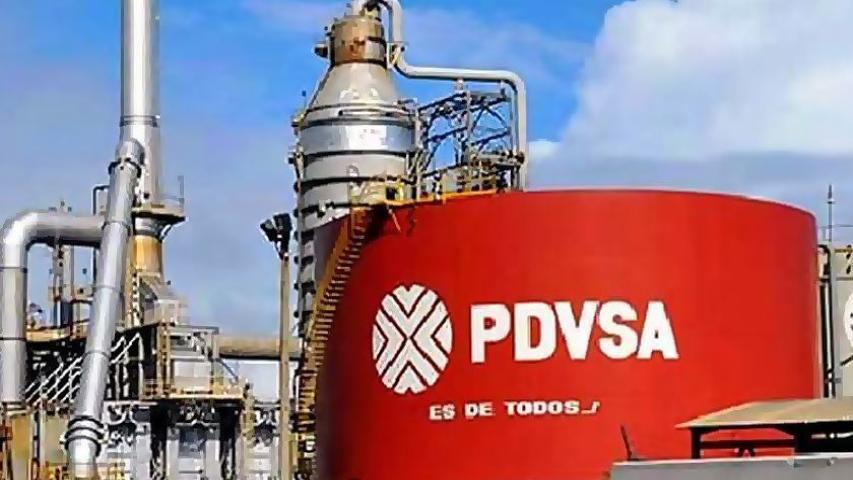
Caracas, Venezuela – Petróleos de Venezuela, S.A. (PDVSA), the state-owned oil company, is expanding the availability of premium and “Súper Premium” gasoline nationwide, signaling a shift in Venezuela’s fuel market and a renewed focus on stabilizing the country’s fuel supply. This move, announced during the Foro Venezuela Energética 2026, comes as the company aims to modernize its distribution networks and increase oil production to 1.37 million barrels per day by the conclude of 2026. The expansion of higher-octane fuel options represents a significant development for Venezuelan consumers, who have long faced shortages and limitations in fuel access.
The initiative centers around two gasoline types: Premium, priced at $0.50 per gallon, and Súper Premium, costing $1.00 per gallon. The introduction of Súper Premium, a 97-octane fuel, marks a milestone for Venezuela, offering a quality comparable to that found in neighboring Colombia, according to PDVSA officials. Yovanny Martínez, PDVSA’s executive vice president, emphasized the competitive pricing and quality of the new fuel during the energy forum. “We have broken important milestones in Venezuelan history in terms of price, and It’s becoming competitive in the world,” Martínez stated, as reported by Analitica.com.
Phased Rollout and Infrastructure Adaptations
The rollout of the dual-fuel system began as a pilot program in February 2026, initially focusing on stations that traditionally sold 91-octane gasoline. PDVSA initially designated some stations exclusively for Súper Premium fuel, but quickly adapted the strategy based on initial feedback. “We took a decision that some stations would only sell Súper Premium gasoline, but the experience taught us…today the experience will be replicated in many service stations,” Martínez explained, according to Correo del Caroní. This hybrid approach, offering both fuel types at a single station, is now being implemented across the country. Approximately 100 stations are projected to be fully operational with the new system within the next three months, according to AlbertoNews.
The expansion isn’t simply about introducing new fuel types. it’s also about modernizing the entire distribution network. PDVSA is investing in upgrades to ensure the efficient and reliable delivery of both Premium and Súper Premium gasoline to consumers across Venezuela. This modernization effort is crucial for stabilizing the fuel supply, a long-standing challenge for the nation. The company is also focused on strengthening its internal supply capabilities, recognizing the importance of a robust domestic fuel infrastructure.
Production Targets and Economic Implications
Alongside the fuel distribution changes, PDVSA is aggressively pursuing increased oil production. The company’s stated goal is to reach 1.37 million barrels per day (bpd) by the end of 2026, up from nearly 1.2 million bpd currently. This ambitious target reflects a broader effort to revitalize Venezuela’s oil industry, which has faced significant challenges in recent years. Martínez characterized 2026 as “the exact moment to make a full transformation of the industry,” noting that the company has already received interest from approximately 70 new companies seeking to invest in the sector during the first four months of the year.
The increased production and the introduction of higher-priced gasoline are intended to bolster Venezuela’s economy. The revenue generated from fuel sales, particularly the Súper Premium gasoline, is expected to contribute to national economic growth and improve the quality of life for Venezuelan citizens. PDVSA is also prioritizing the development of a reliable refining network and investing in the training of skilled personnel to support the industry’s long-term sustainability. A new certification center for drilling operators is planned as part of this workforce development initiative.
Challenges and Future Outlook
While the expansion of premium fuel options and the push for increased oil production represent positive steps, PDVSA faces ongoing challenges. The company continues to navigate operational adjustments due to the country’s economic situation, as acknowledged by Martínez. International sanctions and the complexities of attracting foreign investment remain significant hurdles. The sale of PDVSA assets abroad, undertaken to address damages from past disputes, adds another layer of complexity to the company’s financial landscape.
Despite these challenges, PDVSA appears committed to its modernization efforts and its goal of stabilizing Venezuela’s fuel supply. The success of the dual-fuel system and the achievement of the 1.37 million bpd production target will be key indicators of the company’s progress. The expansion of Súper Premium gasoline, with its higher octane rating and competitive pricing, offers Venezuelan consumers a new choice and signals a potential turning point for the country’s energy sector. The company’s focus on infrastructure upgrades and workforce development suggests a long-term vision for a more sustainable and resilient oil industry.

The next key development to watch will be the full operationalization of the 100 targeted gas stations with the new fuel options within the coming months, as well as PDVSA’s progress towards its production goal of 1.37 million barrels per day by year-end. Continued monitoring of these developments will provide valuable insights into the future of Venezuela’s energy sector and its broader economic recovery.
What are your thoughts on PDVSA’s new fuel strategy? Share your comments below and join the conversation.
Related reading