
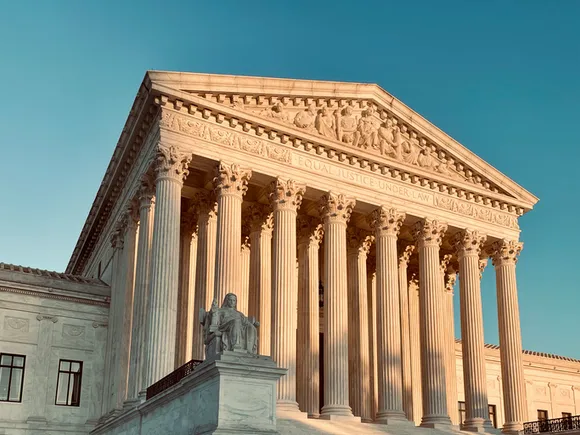
Supreme Court to decide Fate of ColoradoS Ban on “Conversion Therapy” – What’s at Stake for Your Mental Healthcare
The Supreme Court is currently weighing a landmark case, Chiles v. Salazar, that could dramatically reshape the landscape of mental healthcare regulation in the United States. At the heart of the dispute is colorado’s 2019 law prohibiting licensed professionals from engaging in “conversion therapy” – practices aimed at changing a person’s sexual orientation or gender identity – particularly for minors. This case isn’t just about one law; it’s about the basic balance between free speech,patient protection,and the authority of states to regulate professional conduct.
As a seasoned expert in healthcare law and policy,I’ll break down the complexities of this case,what’s at stake for you,and why the Court’s decision will have far-reaching consequences.
What is “Conversion Therapy” and Why is it Controversial?
“Conversion therapy” encompasses a range of practices, often rooted in pseudoscientific beliefs, that attempt to alter an individual’s sexual orientation or gender identity. These practices can include talk therapy, behavioral techniques, and even more harmful interventions.
Research consistently demonstrates that conversion therapy is not effective and can be deeply damaging.Studies show individuals who undergo these treatments are substantially more likely to experience:
* Depression: The attempt to suppress core identity can lead to profound sadness and hopelessness.
* Anxiety: Internal conflict and societal stigma contribute to heightened anxiety levels.
* Suicidal Ideation: The emotional distress caused by conversion therapy dramatically increases the risk of suicide.
Because of these documented harms, over 20 states, including Colorado, have enacted laws to protect vulnerable individuals – particularly minors – from these practices.
The Legal Battle: Free Speech vs. Patient Protection
The case before the Supreme Court centers on the challenge brought by Dr. Mark Chiles, a licensed psychologist who offers services aligned with conversion therapy.He argues that Colorado’s ban violates his First Amendment right to free speech.
The core of the legal debate boils down to this: does the law regulate what Dr. Chiles says (protected speech), or how he practices his profession (regulated conduct)? Lower courts have been divided on this question.
Colorado counters that it has a legitimate and long-standing right to regulate licensed medical professionals to ensure patient safety and prevent substandard care. Thay argue that the First Amendment doesn’t shield harmful practices simply as they involve speech. “For centuries, states have regulated professional healthcare to protect patients from substandard treatment,” their attorneys stated in court filings.
Why the trump Governance is involved
Adding another layer of complexity, the Trump administration has filed an amicus brief (a “friend of the court” brief) supporting Dr. Chiles’ challenge. This brief argues that there are no proven harms associated with conversion therapy and warns against relying on professional consensus to dictate what healthcare providers can say.
Notably, the Trump administration previously endorsed treatments similar to conversion therapy, raising concerns about potential bias.
what Could This ruling Mean for You?
The Supreme Court’s decision in Chiles v. Salazar will have significant implications for a wide range of healthcare practices. Here’s what you need to understand:
* State regulation of Healthcare: If the Court sides with dr. Chiles, it could significantly limit states’ ability to regulate the practices of licensed professionals, even when those practices are demonstrably harmful.
* Defining “Substandard Care”: The ruling could redefine what constitutes “substandard care” and whether states can set guardrails on counseling and therapeutic approaches.
* Impact on Mental Health Professionals: A broad interpretation favoring free speech could leave mental health professionals vulnerable to legal challenges if they adhere to established ethical guidelines and evidence-based practices.
* Consistency with Gender-Affirming Care Ruling: The Court recently upheld Tennessee’s ban on gender-affirming care for minors, emphasizing the importance of weighing risks and benefits. A decision in Chiles that prioritizes free speech over patient safety could appear inconsistent with that earlier ruling.
A group of faith-based mental health providers warned the court that adopting Chiles’ reasoning would “call into question whether any requirement governing mental health professionals … could survive First Amendment scrutiny.”
The Bigger Picture: Protecting Vulnerable Populations
This case isn’t just a legal technicality. It







![BIFFes Venue Change: Film Festival Delegates React | [City/Region] News](https://i0.wp.com/th-i.thgim.com/public/incoming/ud6ekf/article70437672.ece/alternates/LANDSCAPE_1200/BIFFES_09.jpg?resize=150%2C100&ssl=1 "BIFFes Venue Change: Film Festival Delegates React | [City/Region] News")