Prostate Cancer Screening: New Data Supports Targeted Approach to Saving Lives
for decades, the question of widespread prostate cancer screening has been debated. Now, compelling new research published in the New England Journal of Medicine is adding significant weight to the argument for a national screening program in the UK – but with a crucial caveat: a targeted approach is key. As a leading expert in cancer prevention adn early detection, I’ll break down what this study means for men’s health, the current landscape of prostate cancer care, and what the future may hold.
The Landmark Study: A 23-Year Look at Screening Effectiveness
The study, a thorough analysis spanning 23 years and eight European countries, involved over 162,000 men. Researchers meticulously tracked outcomes for those invited to participate in prostate cancer screening versus those who weren’t. The results are encouraging:
* 13% Reduction in Prostate Cancer Deaths: Screening was associated with a demonstrable 13% reduction in deaths from prostate cancer. This is a significant figure, placing the potential benefit on par with established screening programs for breast and bowel cancer.
* One Life Saved for Every 456 Men Screened: While not every man screened will benefit directly, the data shows a tangible impact. For every 456 men invited for screening, one prostate cancer death was prevented.
* Stronger Benefit for Diagnosed Cases: Perhaps even more impactful, one death was averted for every 12 men in whom prostate cancer was diagnosed through screening. This highlights the power of early detection in improving treatment outcomes.
These findings are prompting Cancer Screening Experts in the UK to reassess the possibility of implementing a national screening program, with a decision anticipated before the year’s end.
Addressing the Concerns: Overdiagnosis and Overtreatment
While the benefits are clear, the researchers – and I, as a long-time advocate for responsible screening – acknowledge the potential downsides. The biggest concerns revolve around overdiagnosis and subsequent overtreatment.
Here’s what that means:
* Overdiagnosis: Screening can detect slow-growing, non-aggressive cancers that would never have caused harm during a man’s lifetime. Identifying these cancers unnecessarily leads to anxiety and further testing.
* Overtreatment: The detection of these non-aggressive cancers can lead to treatments like surgery or radiation, which carry their own risks and side effects – treatments that aren’t actually needed.
the study did acknowledge these harms, but importantly, found the “harm-to-benefit profile” of screening to be more favorable than previously estimated. Though, minimizing these harms remains paramount.
The Solution: Targeted Screening – Who Benefits Most?
This is where the “targeted” approach comes in. A one-size-fits-all screening program isn’t the answer. Rather, we need to focus on identifying men who are most likely to benefit from early detection and minimizing screening in those at very low risk of developing aggressive prostate cancer.
Factors that may indicate a higher risk include:
* Family History: A strong family history of prostate cancer, especially in first-degree relatives (father, brother).
* Ethnicity: Men of African or Caribbean descent have a higher risk of developing prostate cancer.
* Age: Risk increases with age, particularly after 50.
* Genetic Predisposition: Emerging genetic testing can identify individuals with inherited gene mutations that increase their risk.
A targeted strategy would involve offering screening – typically a Prostate-Specific Antigen (PSA) test – to these higher-risk groups, while carefully considering the risks and benefits for others.
Understanding the PSA Test
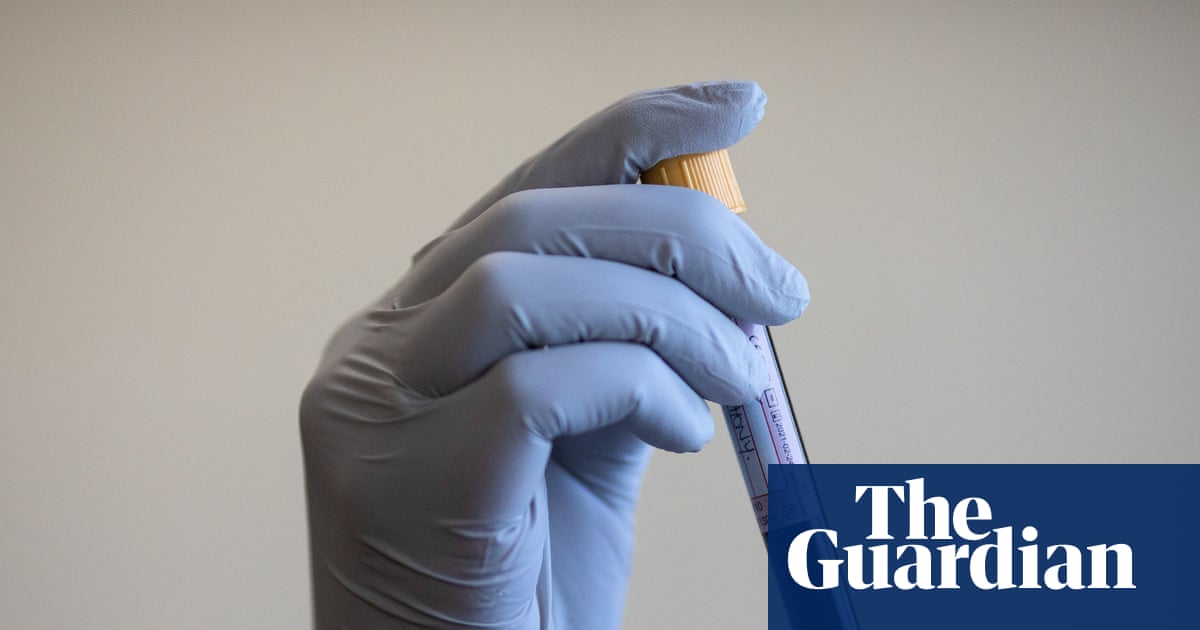
The PSA test is a simple blood test that measures the level of prostate-specific antigen, a protein produced by the prostate gland. Elevated PSA levels can indicate prostate cancer,but also other,non-cancerous conditions like an enlarged prostate (benign prostatic hyperplasia) or prostatitis (inflammation of the prostate).
Currently, routine PSA testing isn’t offered on the NHS, but men over 50 can request a test from their GP, even without symptoms. If a GP suspects prostate cancer, they will likely order a PSA test.
Recent Advances in Prostate Cancer treatment
Alongside the screening debate, significant progress is being made in prostate cancer treatment. Just last week, the National Institute for Health and Care Excellence (NICE) approved darolutamide, a new treatment option for men with prostate cancer that has spread to other parts of
Worth a look