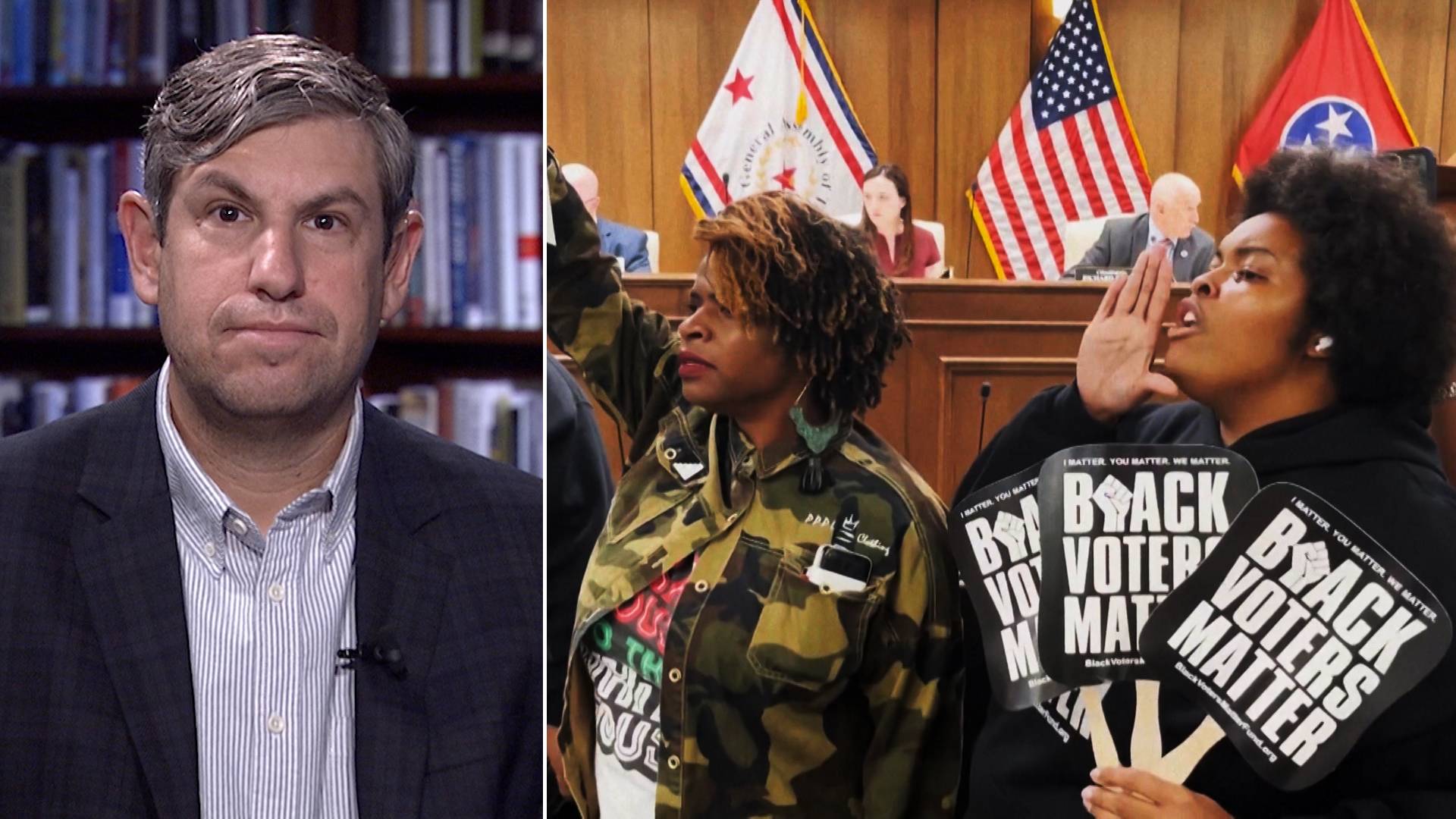
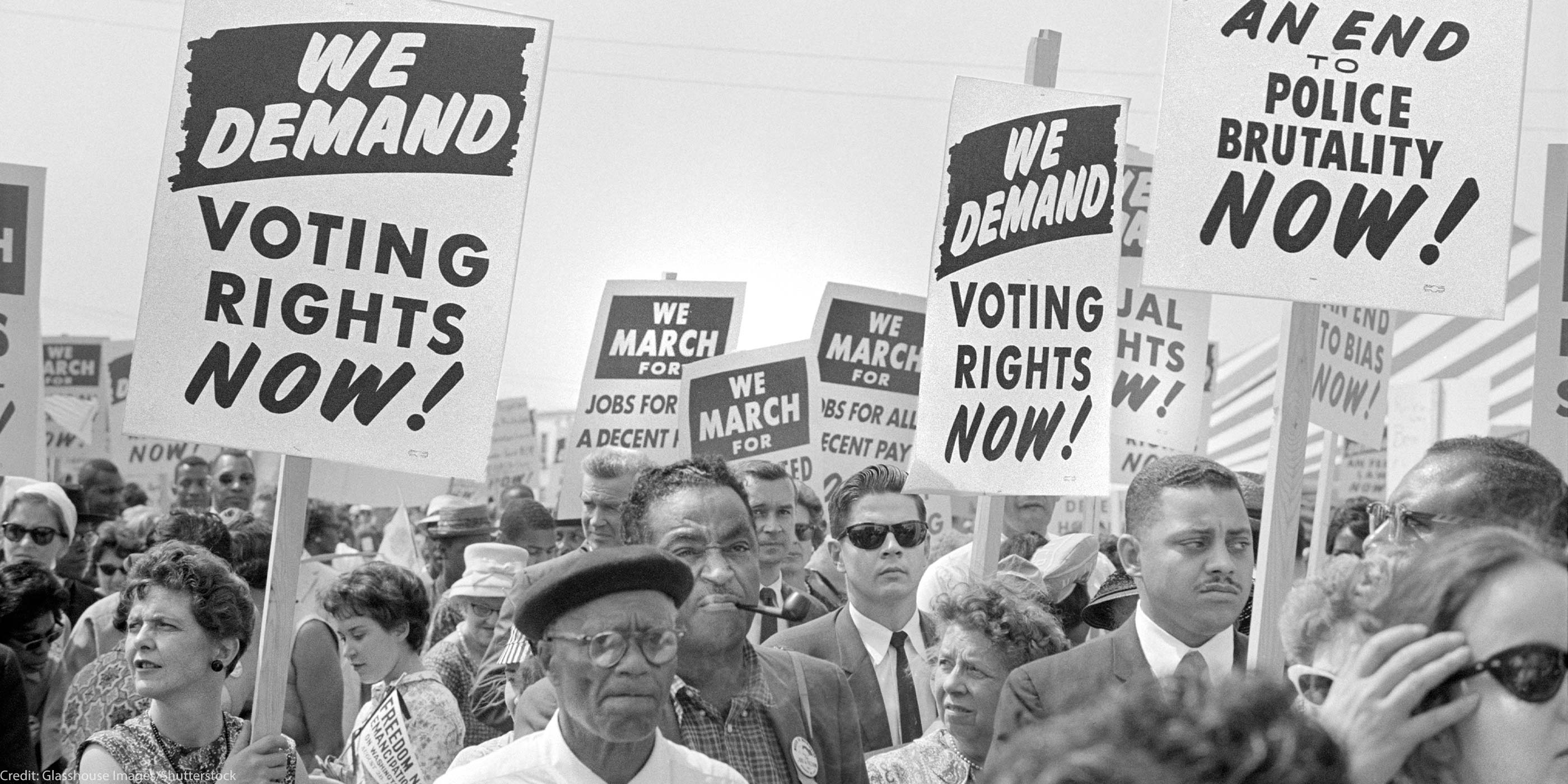
For more than half a century, the Voting Rights Act of 1965 stood as the definitive legislative bulwark against the systemic disenfranchisement of minority voters in the United States. It was designed not merely as a set of rules, but as a proactive mechanism to ensure that the promise of the Fifteenth Amendment—that the right to vote shall not be denied on account of race—was a lived reality rather than a theoretical ideal.
However, a series of recent judicial shifts has fundamentally altered the landscape of American democracy. A growing gerrymandering arms race is now unfolding across several states, as Republican-led legislatures move to redraw electoral maps in ways that critics argue effectively erase Black representation. This acceleration comes in the wake of Supreme Court decisions that have systematically narrowed the scope of the Voting Rights Act (VRA), leaving civil rights advocates to warn that the legal guardrails protecting minority voting power have been dismantled.
At the heart of this crisis is a fundamental clash of judicial philosophies: the civil-rights-era view that the government has an active obligation to remedy racial discrimination, versus a modern, “colorblind” interpretation that suggests any consideration of race in government decision-making is itself a form of discrimination. As the latter view prevails in the nation’s highest court, the practical result is a legal environment where the strategic dilution of Black voting power is increasingly shielded from judicial review.
The implications extend far beyond the courtroom. By redefining how racial discrimination is identified and proven in redistricting, the judiciary has provided a blueprint for state legislatures to maximize partisan advantage while minimizing the electoral influence of Black communities. This shift threatens to trigger one of the most significant declines in minority representation in the U.S. Congress and state houses since the end of the Jim Crow era.
The Legal Catalyst: Louisiana v. Callais and the Erosion of Section 2
The current volatility in electoral mapping is largely driven by the Supreme Court’s evolving interpretation of Section 2 of the Voting Rights Act. While Section 5—which required certain jurisdictions to “preclear” changes to voting laws with the federal government—was effectively neutralized by the 2013 Shelby County v. Holder decision, Section 2 remained the primary tool for challenging discriminatory maps after they were drawn.
The recent ruling in Louisiana v. Callais has further weakened this remaining protection. The core of the dispute centered on whether a state’s redistricting map violated the VRA by failing to create a second majority-Black district in a state with a significant Black population. The Court’s majority opinion, authored by Justice Samuel Alito, signaled a restrictive approach to how “racial gerrymandering” is defined, and litigated.
The ruling effectively allows states to argue that the dilution of minority voting power was a byproduct of “partisan gerrymandering” rather than “racial gerrymandering.” Because the Supreme Court previously ruled in Rucho v. Common Cause (2019) that partisan gerrymandering is a “political question” beyond the reach of federal courts, this distinction creates a massive legal loophole. If a legislature can claim they targeted “Democrats” rather than “Black voters,” the courts are increasingly unwilling to intervene, even when the two groups are nearly identical in the targeted districts.
This “partisan shield” allows map-makers to engage in “packing” and “cracking”—the two primary tools of gerrymandering. Packing involves concentrating as many minority voters as possible into a single district to reduce their influence in all others. Cracking involves splitting a minority community across multiple districts to ensure they never reach a plurality in any of them. Under the current judicial climate, these tactics are frequently defended as purely political strategies, rendering Section 2 of the VRA largely toothless in many jurisdictions.
The “Gerrymandering Arms Race” in Practice
With the legal risks of redistricting significantly lowered, several Republican-controlled states have entered what observers describe as a “gerrymandering arms race.” The goal is no longer just to win a majority of seats, but to eliminate the possibility of minority-led districts that could challenge the dominant party’s grip on power.
In the American South, where the overlap between Black voters and the Democratic Party is highest, this strategy is particularly potent. Legislators are redrawing boundaries to ensure that Black voters are either concentrated into a few “sacrificial” districts or dispersed so thinly that their collective voice is silenced. This process is not a passive result of population shifts, but a deliberate architectural redesign of the electorate.
The speed of these changes is unprecedented. Following the signals from the Supreme Court, states have rushed to implement new maps before the next major election cycles. By doing so, they create a “fait accompli” where the maps are in place and the elections are over before a court can potentially rule them unconstitutional. This tactical urgency ensures that the drop in Black representation becomes a permanent fixture of the political landscape.
the pressure to execute these maps is often driven by a broader political objective: the total consolidation of power. When the guardrails of the VRA are removed, the incentive for legislators is to maximize their own survival and the party’s dominance, regardless of whether the resulting districts accurately reflect the racial and social composition of the state. This leads to a “race to the bottom” where states compete to see how aggressively they can reshape their districts without triggering a federal intervention that the current Court is unlikely to support.
The Stakes: Black Representation and Democratic Legitimacy
The potential loss of Black representation is not merely a matter of partisan seat counts. It’s a fundamental threat to the legitimacy of the democratic process. When a significant portion of the population is systematically excluded from meaningful representation, the resulting government lacks the consent of the governed.
Historically, the creation of “majority-minority” districts was seen as a vital step toward ensuring that Black citizens had a seat at the table where laws are written and budgets are allocated. These districts allow for the election of representatives who are attuned to the specific needs of their communities—addressing issues such as systemic police violence, healthcare disparities, and economic disinvestment.
By erasing these districts, the “gerrymandering arms race” effectively removes the primary mechanism through which Black communities can exert political leverage. Without a representative of their own, minority voters are forced to rely on the benevolence of representatives from the opposing party—representatives who may have no political incentive to prioritize the needs of those whose voting power has been intentionally diluted.
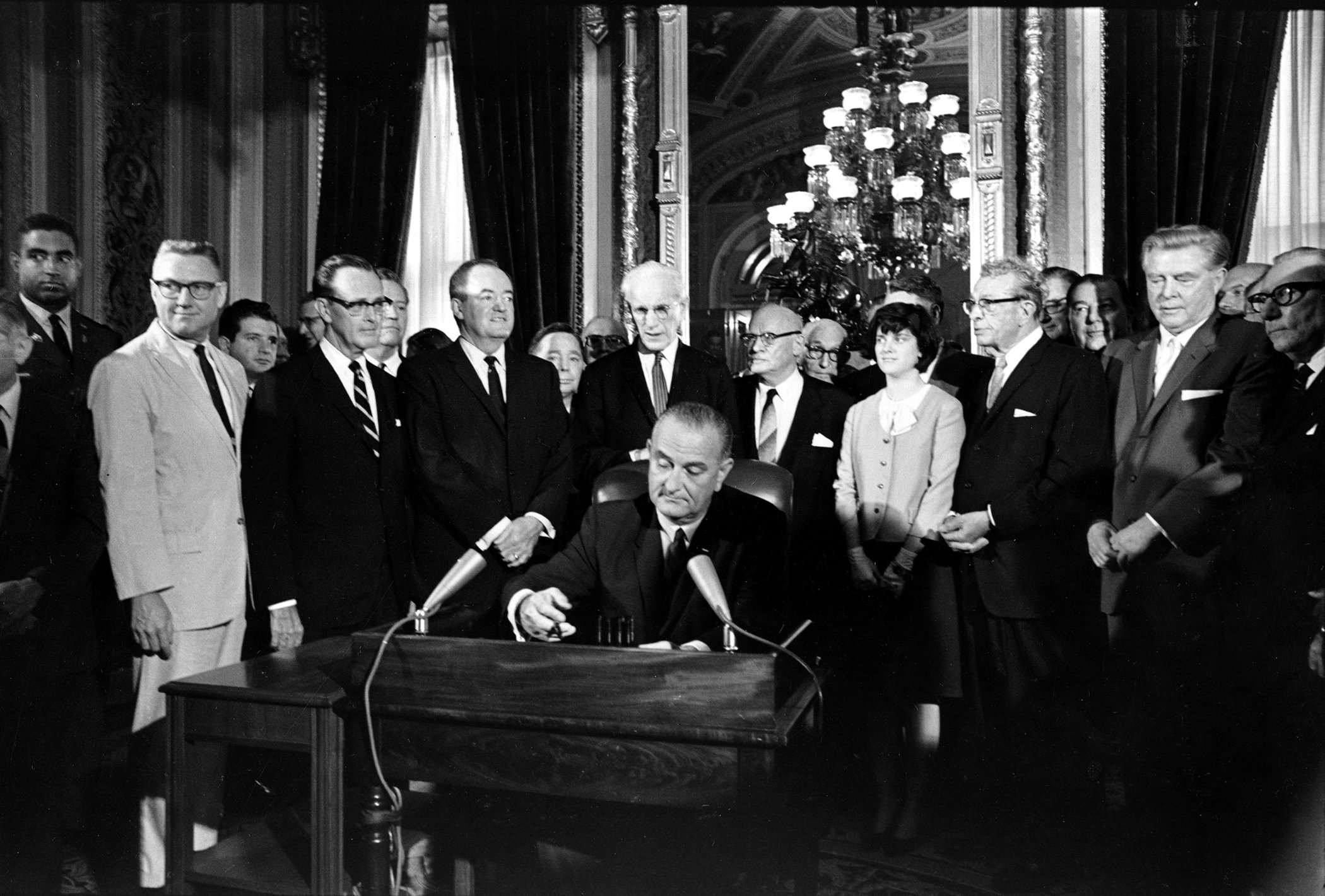
This trend risks returning the United States to a political era reminiscent of the pre-1965 period. While the overt tools of the Jim Crow era—such as literacy tests and poll taxes—have been abolished, the result of strategic gerrymandering is functionally similar: the removal of Black office-holders and the silencing of Black voters. The method has changed from administrative barriers at the polling place to mathematical barriers in the map-room, but the outcome remains the same.
What Happens Next: The Path Forward
As the judicial path to protecting the Voting Rights Act narrows, the battle for representation is shifting toward state courts and legislative action. In some states, advocates are attempting to use state constitutions—which may have stronger protections for voting rights than the federal constitution—to challenge discriminatory maps.
However, the effectiveness of state-level challenges varies wildly. In states where the judiciary is closely aligned with the legislature, these efforts often meet the same resistance as federal lawsuits. The only comprehensive solution, according to civil rights organizations, would be a new act of Congress—a “Voting Rights Act 2.0″—that explicitly closes the “partisan shield” loophole and restores the preclearance requirements of Section 5.
Such legislation would require a bipartisan consensus that currently does not exist in a polarized Washington. Without federal intervention, the “gerrymandering arms race” is likely to intensify as the 2026 and 2028 election cycles approach, potentially leading to a permanent contraction of minority political power in the United States.
Key Takeaways: The Crisis of Representation
- Legal Loophole: The Supreme Court’s current stance allows states to mask racial gerrymandering as “partisan gerrymandering,” which is not subject to federal judicial review.
- Section 2 Erosion: The ruling in Louisiana v. Callais has significantly weakened the primary tool used to challenge discriminatory electoral maps.
- Tactical Shift: States are using “packing and cracking” to dilute Black voting power, leading to a potential sharp drop in minority representation in government.
- Democratic Impact: The removal of majority-minority districts reduces the ability of Black communities to elect representatives who prioritize their specific needs and interests.
- Future Outlook: Without new federal legislation to restore the Voting Rights Act, the battle for representation will rely on inconsistent state-level legal challenges.
The next critical checkpoint in this struggle will be the upcoming series of challenges to redistricting maps in the Southern states as they prepare for the next election cycle. Legal filings in the coming months will reveal whether the “partisan shield” remains an impenetrable defense or if state courts will find new ways to protect the franchise.
World Today Journal encourages readers to share this report and engage in the conversation below. How should a modern democracy balance partisan interests with the fundamental right to equal representation?