
Washington D.C. – The Supreme Court is currently weighing the extent of presidential authority to unilaterally terminate the Deferred Action for Childhood Arrivals (DACA) program and, more broadly, the Temporary Protected Status (TPS) program, impacting hundreds of thousands of immigrants. The cases, stemming from challenges to decisions made during the Trump administration, raise fundamental questions about administrative power and the rights of non-citizens in the United States. The court’s deliberations signal a potential shift in immigration policy and have sparked concern among immigrant communities and advocacy groups.
The legal battles surrounding TPS, a program offering temporary immigration protections to nationals of designated countries experiencing armed conflict, natural disasters, or other extraordinary and temporary conditions, have been ongoing for years. The Trump administration moved to end TPS designations for several countries, including Haiti, El Salvador, Nicaragua, and Honduras, arguing that the conditions justifying the protections had improved. These decisions left hundreds of thousands of long-term residents facing potential deportation. The Biden administration attempted to re-designate some of these countries, but legal challenges continued, ultimately landing before the Supreme Court. The core question before the justices is whether the Trump administration had the legal authority to terminate TPS without congressional authorization.
Supreme Court Scrutiny of Presidential Power Over TPS
The Supreme Court heard arguments regarding the legality of the Trump administration’s attempt to end TPS protections for nationals of Haiti, El Salvador, Nicaragua, and Honduras. According to CNN en Español, the Court signaled it would likely side with the Trump administration on the matter. CNN en Español reported that the justices appeared skeptical of arguments challenging the administration’s actions, suggesting they may uphold the right of the executive branch to terminate the program. The legal challenge centers on whether the administration provided sufficient justification for ending the TPS designations and whether the decision was arbitrary and capricious.

The case before the Supreme Court isn’t simply about the fate of TPS holders from specific countries; it’s about the broader scope of presidential power over immigration policy. Opponents of the Trump administration’s actions argue that terminating TPS without congressional approval represents an overreach of executive authority. They contend that TPS, once granted, creates a reliance interest among beneficiaries, and that abruptly ending the program would disrupt lives and communities. The Biden administration, while attempting to reinstate some TPS designations, has likewise argued that the Supreme Court should defer to the executive branch’s discretion in immigration matters.
Impact on Beneficiaries and Advocacy Efforts
The potential loss of TPS protections has profound implications for the approximately 400,000 individuals currently benefiting from the program, as well as their families. As reported by the Los Angeles Times, beneficiaries have been mobilizing in Washington D.C., advocating for continued protections. These individuals, many of whom have lived in the United States for decades, have built lives, families, and careers, and contribute significantly to the U.S. Economy. The loss of TPS would leave them vulnerable to deportation to countries they may have left as children or have no real connection to.
Advocacy groups are actively working to raise awareness about the issue and pressure the Supreme Court to rule in favor of TPS holders. Organizations like the National TPS Alliance are coordinating grassroots efforts, organizing rallies, and lobbying lawmakers. They argue that ending TPS would not only be a humanitarian disaster but also economically damaging, as TPS holders contribute billions of dollars in taxes and economic activity each year. The legal arguments presented to the Court emphasize the reliance interests of TPS holders and the potential for severe hardship if the program is terminated.
Understanding Temporary Protected Status
Temporary Protected Status (TPS) is a temporary immigration status granted to foreign nationals of designated countries who are unable to return home safely due to ongoing armed conflict, environmental disasters, or other extraordinary and temporary conditions. The New York Times provides a detailed explanation of the program, noting that it is not a path to permanent residency. The designation of a country for TPS is at the discretion of the U.S. Secretary of Homeland Security, and the status is typically granted for periods of six to 18 months, with the possibility of extension. To be eligible for TPS, individuals must have continuously resided in the United States since the date their country was designated for TPS, have a clean criminal record, and meet other specific requirements.
The program was established by the Immigration Act of 1990, and has been used to provide protection to nationals of countries facing a variety of crises. While TPS is intended to be temporary, many beneficiaries have remained in the United States for decades, building lives and contributing to their communities. The legal challenges surrounding the program highlight the complex interplay between immigration law, executive power, and humanitarian concerns.
Trump Administration’s Attempts to End TPS and Subsequent Legal Challenges
The Trump administration initiated a series of actions aimed at ending TPS designations for several countries, beginning in 2017. The administration argued that the conditions in these countries had improved sufficiently to no longer warrant the protections. But, these decisions were met with immediate legal challenges from TPS holders and advocacy groups, who argued that the administration’s actions were politically motivated and lacked a proper legal basis. Lower courts issued injunctions blocking the termination of TPS for some countries, allowing beneficiaries to continue renewing their status.
The Biden administration, upon taking office, attempted to address the situation by re-designating some countries for TPS and extending the status for existing beneficiaries. However, these actions were also challenged in court, with opponents arguing that the administration had not followed proper procedures. The cases ultimately reached the Supreme Court, which agreed to hear arguments on the extent of presidential authority to terminate TPS. The Court’s decision is expected to have far-reaching consequences for the future of the program and the lives of hundreds of thousands of immigrants.
The Venezuelan and Haitian Cases
Separate from the consolidated case regarding Haiti, El Salvador, Nicaragua, and Honduras, the Supreme Court also recently ruled on the Trump administration’s attempt to end TPS for Venezuelans. As reported by CNN, the Supreme Court allowed the Trump administration’s decision to stand, effectively ending TPS protections for Venezuelan nationals. This decision was a significant blow to the approximately 242,700 Venezuelans who had been benefiting from the program. The Court’s ruling in the Venezuelan case may foreshadow its approach to the broader TPS cases currently under consideration.
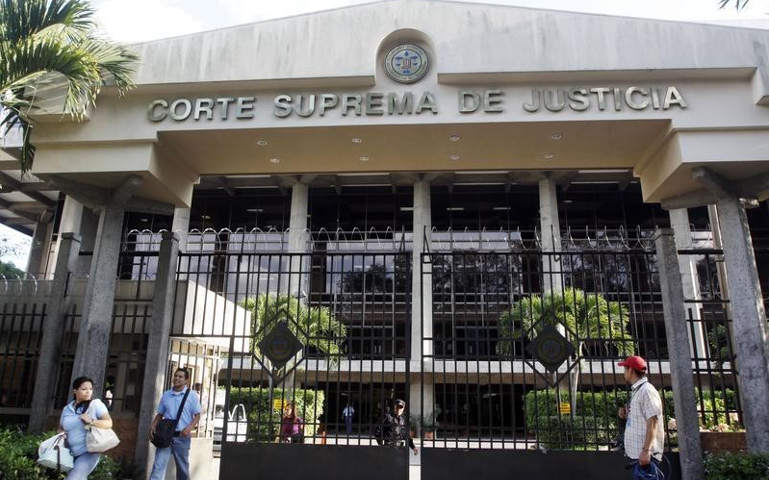
The differing outcomes in the Venezuelan and consolidated cases highlight the complexities of the legal challenges and the nuances of the Supreme Court’s deliberations. The Court’s decisions are likely to shape immigration policy for years to reach, and will have a profound impact on the lives of countless individuals and families.
The Supreme Court is expected to issue a ruling in the consolidated TPS cases in the coming weeks. The decision will determine the fate of hundreds of thousands of immigrants and will clarify the extent of presidential authority over immigration policy. The outcome of the case will be closely watched by immigrant communities, advocacy groups, and legal experts alike. Stay tuned to World Today Journal for further updates as this story develops.
Worth a look
- Colombia Earthquake: Race to Free Survivors as Death Toll Climbs Past 285
- Trump Vows to Declare Strait of Hormuz U.S. Territory After Iran War
- Trump Administration Slashes Federal Civil Rights Enforcement Staff (time.news)
- South African Envoy Warns Canada Peacekeeping Cuts Weaken Middle-Power Strategy (newsdirectory3.com)