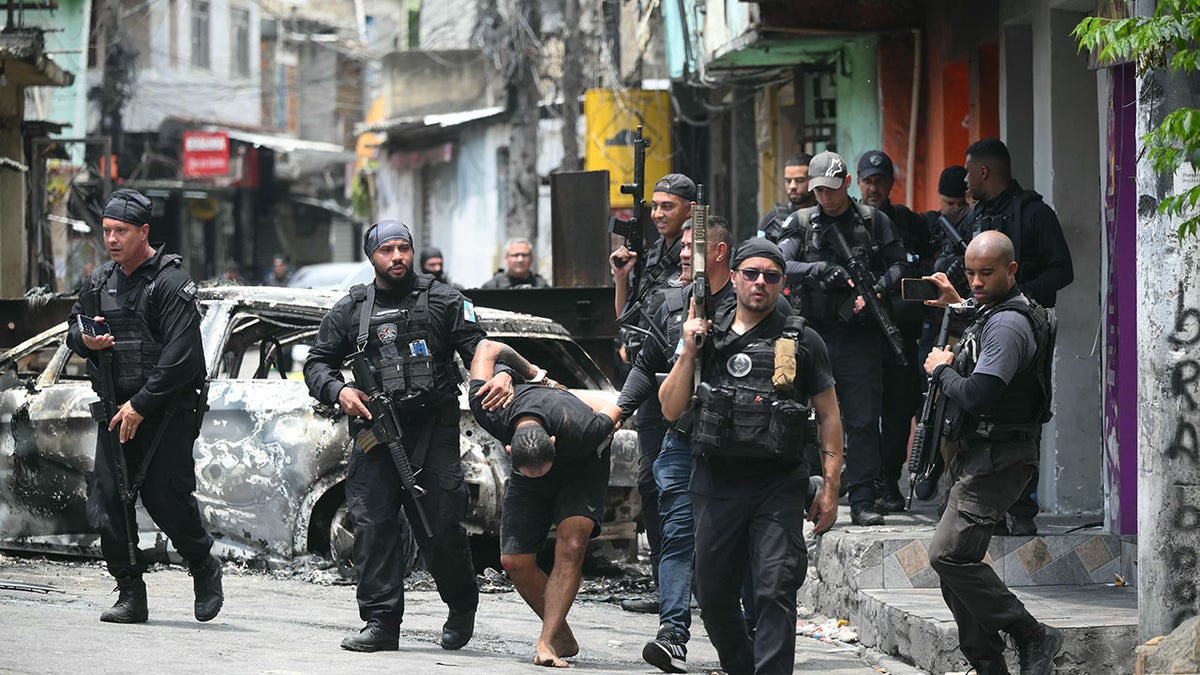
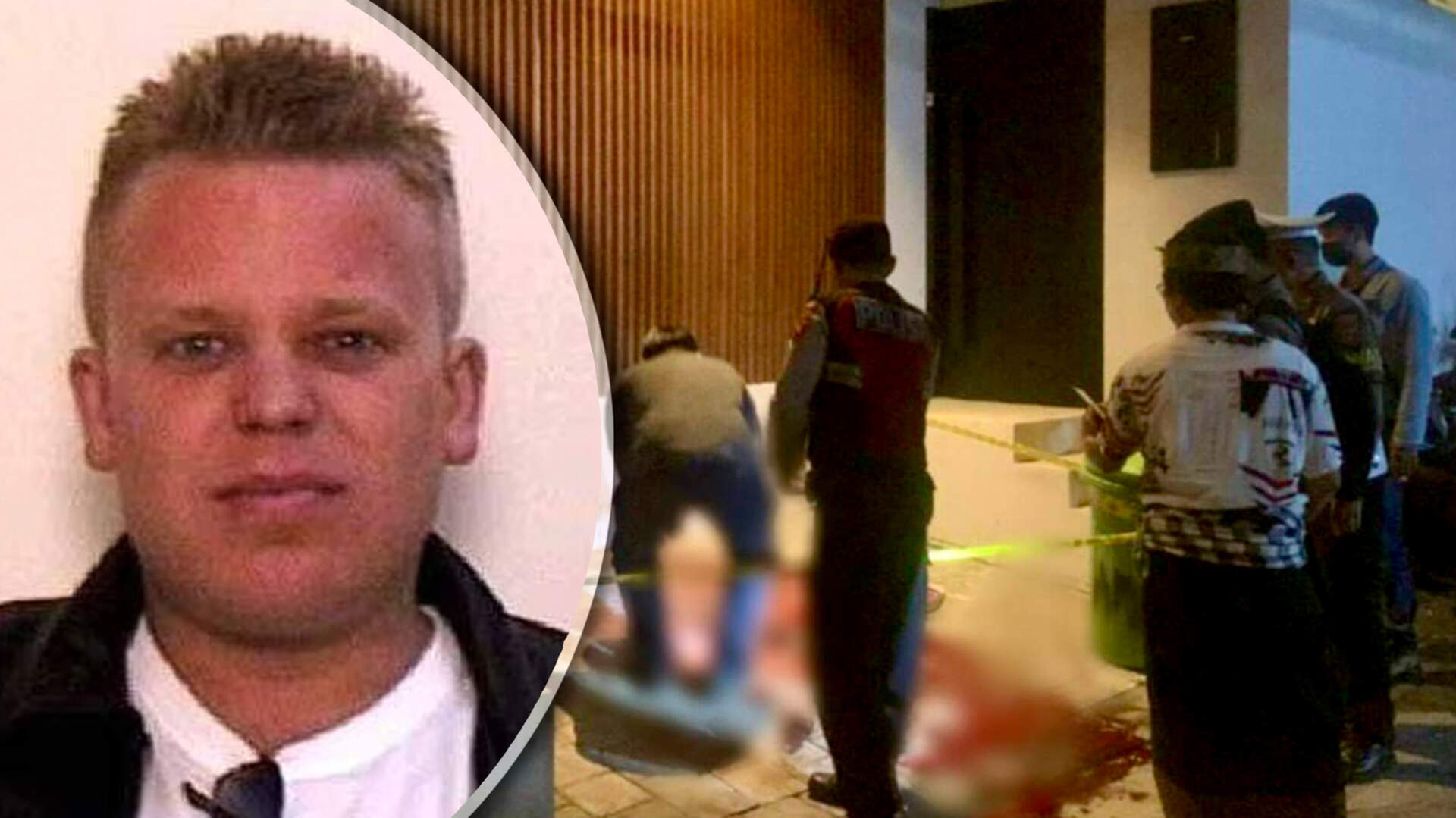
Brazilian federal police have arrested a suspect in connection with the 2022 murder of René Pouw, a 49-year-old Dutch national linked to international narcotics trafficking. The arrest, which took place in Brazil, follows an extensive investigation into the violent death of the man, whose body was discovered in the Netherlands. Law enforcement authorities confirmed the apprehension, marking a significant development in the cross-border pursuit of those involved in the case.
According to reports from the Dutch Public Prosecution Service (Openbaar Ministerie), the suspect had been evading capture internationally before being located by Brazilian authorities. The coordination between Dutch and Brazilian law enforcement agencies highlights the increasing cooperation required to address organized crime networks that operate across multiple continents. As of this week, the legal process to secure the suspect’s extradition to the Netherlands is underway, a procedure governed by established international treaties between the two nations.
Background of the Investigation
René Pouw was found dead in the Netherlands in 2022, a case that drew immediate attention from investigators specializing in organized crime. Dutch authorities identified Pouw as a figure involved in the drug trade, a sector often associated with high levels of violence and complex jurisdictional challenges. The investigation into his death was characterized by the need to track suspects who fled the country immediately following the incident.
The Dutch police, working in conjunction with international partners including Interpol, placed the suspect on a wanted list. The arrest in Brazil is the result of intelligence-led policing aimed at dismantling the networks that facilitated the suspect’s flight and continued freedom. Information regarding the suspect’s identity remains restricted under Dutch privacy laws, which typically protect the names of individuals until formal charges are presented in an open court session, as outlined by the Dutch Public Prosecution Service policies.
The Mechanics of Extradition
Extradition between Brazil and the Netherlands is handled under the framework of a bilateral treaty and general international conventions on mutual legal assistance. When a suspect is apprehended in Brazil on a warrant issued by a foreign state, the Brazilian Supreme Federal Court (Supremo Tribunal Federal) must review the request to ensure it meets the legal requirements of both the Brazilian constitution and the Brazilian Migration Law (Lei de Migração).
The process generally involves three distinct phases: the initial arrest, the formal request for extradition from the Dutch government, and the final judicial decision in Brazil. If the court approves the request, the Brazilian executive branch facilitates the physical transfer of the suspect to Dutch custody. This process can be lengthy, often taking several months depending on the complexity of the appeals filed by the defense.
International Cooperation in Narcotics Crimes
The arrest of a suspect in a high-profile drug-related murder underscores the global reach of organized crime. Law enforcement agencies, including the Dutch National Police (Politie) and the Brazilian Federal Police (Polícia Federal), frequently utilize the Interpol Red Notice system to coordinate these international operations. This system allows for the provisional arrest of a suspect pending extradition or surrender.
Experts in international law note that the rise of global drug trafficking has necessitated a more integrated approach to criminal justice. By sharing intelligence and leveraging international warrants, countries can prevent suspects from utilizing borders to escape accountability. The case of René Pouw serves as a practical example of how these international mechanisms function in practice, even when the suspect attempts to relocate to a jurisdiction thousands of miles from the original crime scene.
Next Steps in the Legal Process
The immediate next step in this case is the formal hearing before the Brazilian judiciary to evaluate the extradition request. The Dutch authorities have indicated they are preparing the necessary documentation to ensure that the suspect is returned to the Netherlands to face prosecution. There is currently no set date for the final ruling, as the timeline is subject to the scheduling of the Brazilian courts and the potential for legal challenges from the suspect’s defense team.
For updates regarding the status of the extradition or future court appearances, the Dutch Public Prosecution Service provides periodic press releases through their official portal. We will continue to monitor the filings in both the Netherlands and Brazil as this legal process moves forward. Readers interested in the broader implications of this case are encouraged to share their thoughts or follow our ongoing coverage for further developments as they are officially confirmed.
Related reading