
Health authorities in Porto Alegre, Brazil, have activated strict isolation protocols at Grupo Hospitalar Conceição (GHC) following the arrival of an elderly patient with a suspected case of Ebola virus disease. The investigation is currently underway in the state of Rio Grande do Sul to determine if the patient has contracted the virus, which requires specialized medical containment to prevent community transmission.
The patient was transferred to the GHC facility after showing clinical signs that triggered high-level biosafety alerts. Medical teams are currently following established public health guidelines for suspected viral hemorrhagic fevers while awaiting definitive laboratory results. As of the latest reports, the patient remains under specialized care, and no evidence of community spread has been identified.
What are the medical isolation protocols in Porto Alegre?
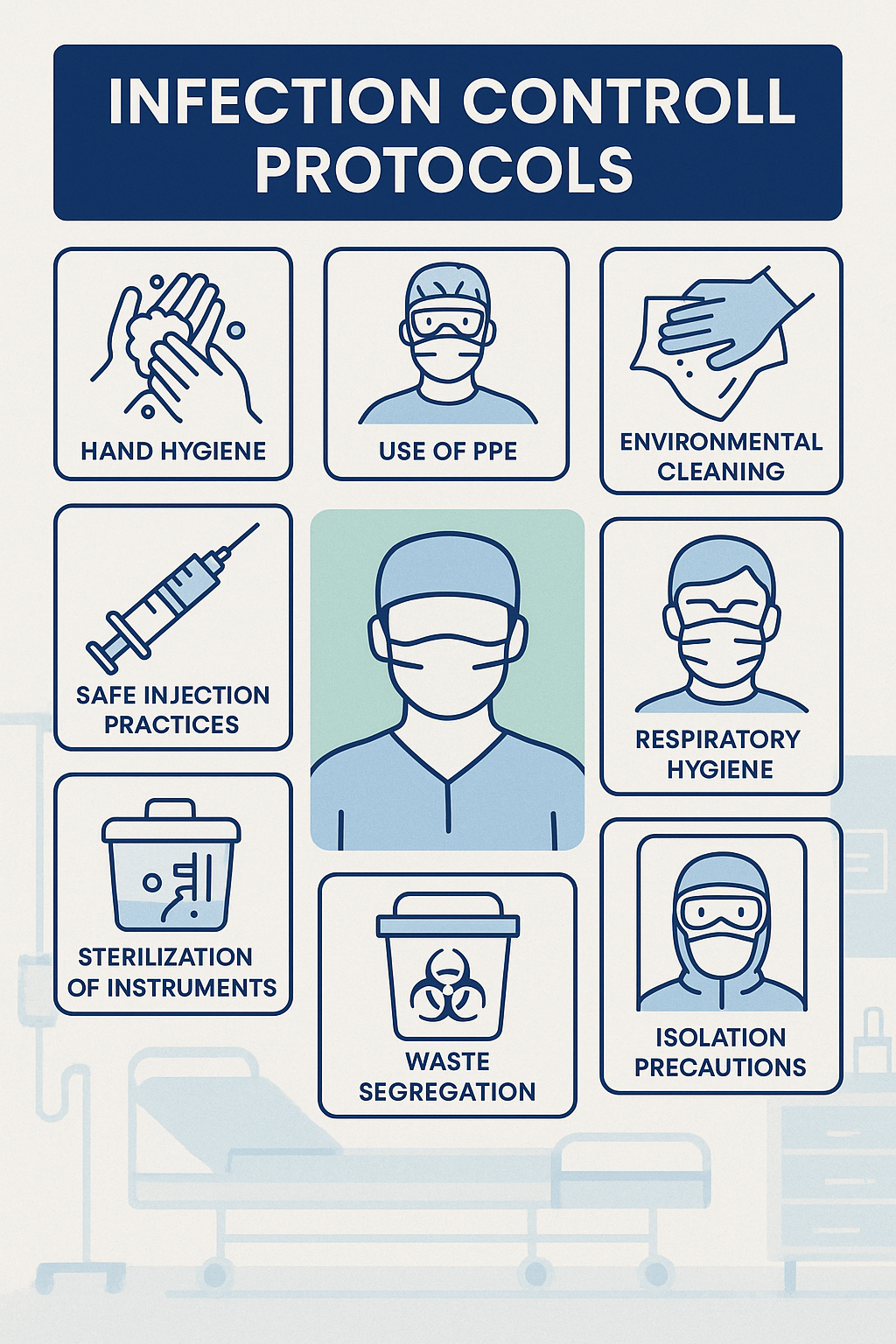
When a patient presents with symptoms consistent with Ebola—such as sudden fever, intense fatigue, muscle pain, or unexplained bleeding—medical institutions like Grupo Hospitalar Conceição implement immediate “isolation protocols.” These procedures are designed to create a biological barrier between the suspected pathogen and the rest of the hospital population and the public.
According to standard infectious disease management practices, these protocols typically include several critical layers of defense:
- Strict Contact and Droplet Precautions: Healthcare workers must use specialized Personal Protective Equipment (PPE), including fluid-resistant gowns, double gloves, face shields, and respiratory protection.
- Physical Isolation: The patient is housed in a dedicated room, often utilizing negative pressure ventilation. This system ensures that air from the patient’s room is filtered through high-efficiency particulate air (HEPA) filters before being exhausted, preventing airborne particles from entering general hospital corridors.
- Controlled Access: Entry to the isolation zone is restricted to essential medical personnel only. All individuals entering or exiting the area must undergo rigorous decontamination procedures.
- Waste Management: Any biological waste, including fluids or medical supplies used during the patient’s care, is treated as highly infectious and is disposed of through specialized biohazard incineration or sterilization processes.
The activation of these measures at GHC indicates that the hospital is operating under its highest tier of biosafety to manage the suspected Ebola case. These steps are preventative and do not constitute a confirmed diagnosis.
How is the Ebola investigation being conducted in Brazil?
The investigation into the suspected case in Rio Grande do Sul involves a coordinated effort between local health secretariats and national epidemiological surveillance units. Because Ebola is not endemic to South America, any suspected case triggers an intensive contact tracing protocol.
Public health officials are currently focusing on three primary areas of investigation:
- Travel History: Investigators are verifying if the patient has recently traveled to regions in Africa or other areas where Ebola virus disease is actively circulating.
- Contact Tracing: Health workers are identifying every individual who may have had direct contact with the patient, including family members, healthcare providers, and transport workers. These individuals are being monitored for symptoms and may be placed under voluntary quarantine.
- Laboratory Confirmation: Samples of the patient’s blood and other biological fluids are being sent to high-containment laboratories. These facilities use Polymerase Chain Reaction (PCR) testing to detect the presence of the Ebola virus’s genetic material.
The speed of these diagnostic processes is critical. Until a laboratory confirms the presence of the virus, the case remains classified as “suspected,” which necessitates the continued use of high-level isolation measures.
Why this suspected case matters for public health
While the news of a suspected Ebola case can cause public concern, medical experts emphasize that the risk to the general population in Rio Grande do Sul remains extremely low. Ebola is transmitted through direct contact with the blood, secretions, organs, or other bodily fluids of infected people, or with surfaces contaminated with these fluids. It is not an airborne virus in the same manner as influenza or COVID-19.
The primary goal of the current medical response is containment. By identifying the patient early and utilizing the specialized infrastructure at Grupo Hospitalar Conceição, health authorities aim to ensure that the suspected pathogen is neutralized before it can move beyond the controlled hospital environment. The effectiveness of the Brazilian public health response relies on the rapid transition from suspicion to confirmed diagnosis or clearance.
For residents in Porto Alegre, health officials recommend following standard hygiene practices and monitoring official government channels for updates. There is currently no need for changes to general public behavior, such as masking or social distancing, unless specifically directed by the Ministry of Health.
Frequently Asked Questions regarding the suspected case
Is there an outbreak in Rio Grande do Sul?
No. Currently, there is only one suspected case under investigation. An outbreak is only declared when multiple linked cases are confirmed.

Can I catch Ebola from the air?
No. Ebola is transmitted through direct contact with infected bodily fluids. It is not considered an airborne disease.
What is the role of Grupo Hospitalar Conceição (GHC)?
GHC is a major healthcare complex in Porto Alegre equipped with the necessary infrastructure to manage high-risk infectious disease cases through specialized isolation units.
What happens if the tests come back negative?
If laboratory results rule out Ebola, the isolation protocols will be gradually de-escalated, and medical teams will continue to investigate other potential causes for the patient’s symptoms.
The next major development will be the release of the official laboratory results from the specialized diagnostic center. We will continue to monitor updates from the Rio Grande do Sul health authorities and the Brazilian Ministry of Health.
Do you have questions about infectious disease protocols? Share your thoughts or questions in the comments below, and share this article to keep your community informed.