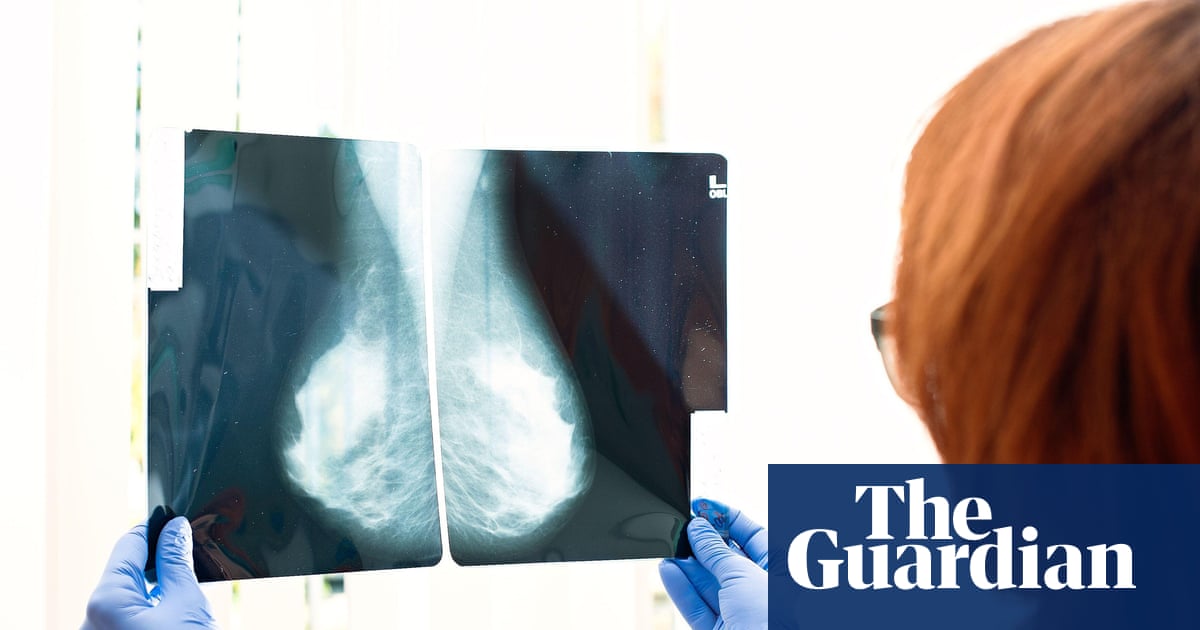
Revolutionary Blood Test Predicts breast Cancer Treatment Response wiht Striking Accuracy
Breast cancer remains the most commonly diagnosed cancer worldwide,with over two million new cases reported annually. While advancements in treatment have offered hope to many, determining the most effective therapeutic approach for each individual patient remains a significant challenge. Now, a groundbreaking new blood test developed by researchers at the Institute of Cancer Research, London (ICR), promises to revolutionize breast cancer treatment by predicting a patient’s likely response to therapy before treatment even begins.
This innovative diagnostic tool, a type of liquid biopsy, analyzes circulating tumor DNA (ctDNA) - microscopic fragments of cancer DNA released into the bloodstream by tumor cells. By measuring the levels of ctDNA, clinicians can gain valuable insights into a patient’s prognosis and tailor treatment strategies accordingly. The findings, published in a recent study, demonstrate a strong correlation between low ctDNA levels and positive treatment outcomes.
The research involved analyzing blood samples from 167 patients with advanced breast cancer, categorized into two groups. The first group comprised individuals with specific genetic mutations (ESR1, HER2, AKT1, AKT, or PTEN) and receiving targeted therapies designed to address those mutations. The second group consisted of patients with triple-negative breast cancer, a particularly aggressive form of the disease lacking these targetable mutations, who were undergoing a combination therapy of olarparib and ceralasertib.
The results were compelling.In the triple-negative breast cancer group, patients with low ctDNA levels before treatment initiation experienced substantially longer progression-free survival – a median of 10.2 months compared to 4.4 months for those with higher levels. Furthermore, the response rate – defined as tumor shrinkage or disappearance – was 40% in the low ctDNA group versus just 9.7% in the high ctDNA group.
Similar, though less pronounced, associations were observed in the first group of patients receiving targeted therapies. Crucially, analyzing ctDNA levels after just four weeks of treatment provided even more predictive power. Patients in the targeted therapy group with undetectable ctDNA at this stage demonstrated prolonged disease control, with their cancer kept at bay for 10.6 months compared to 3.5 months for those with detectable ctDNA. The triple-negative breast cancer group mirrored this trend, with patients achieving undetectable ctDNA levels after four weeks experiencing 12 months of disease control versus 4.3 months for those with persistent ctDNA.
“Our study shows that a simple blood test measuring circulating tumor DNA can provide an early prediction of whether a patient’s breast cancer will respond to treatment,” explains Dr. Iseult Browne, clinical research fellow at the ICR and lead author of the study. “Knowing this at the earliest stage…means that we can avoid giving patients drugs that won’t work and provide them with alternatives before their cancer has a chance to grow.”
These alternatives could include switching to a different targeted therapy, combining multiple drugs, or enrolling in clinical trials evaluating novel treatments. Ongoing trials are now investigating whether adapting treatment plans based on these early ctDNA assessments can ultimately improve patient outcomes and extend lives.
Professor Nicholas Turner, professor of molecular oncology at the ICR and a consultant medical oncologist at the Royal Marsden, emphasizes the potential broader request of this technology.”this research looked at advanced breast cancer, but these tests could also work for early-stage breast cancers,” he states.
This liquid biopsy represents a significant step towards personalized cancer care, offering the potential for faster, more informed treatment decisions and, ultimately, more effective outcomes for patients battling this pervasive disease. The ability to non-invasively monitor treatment response and adapt strategies accordingly promises to transform the landscape of breast cancer management.