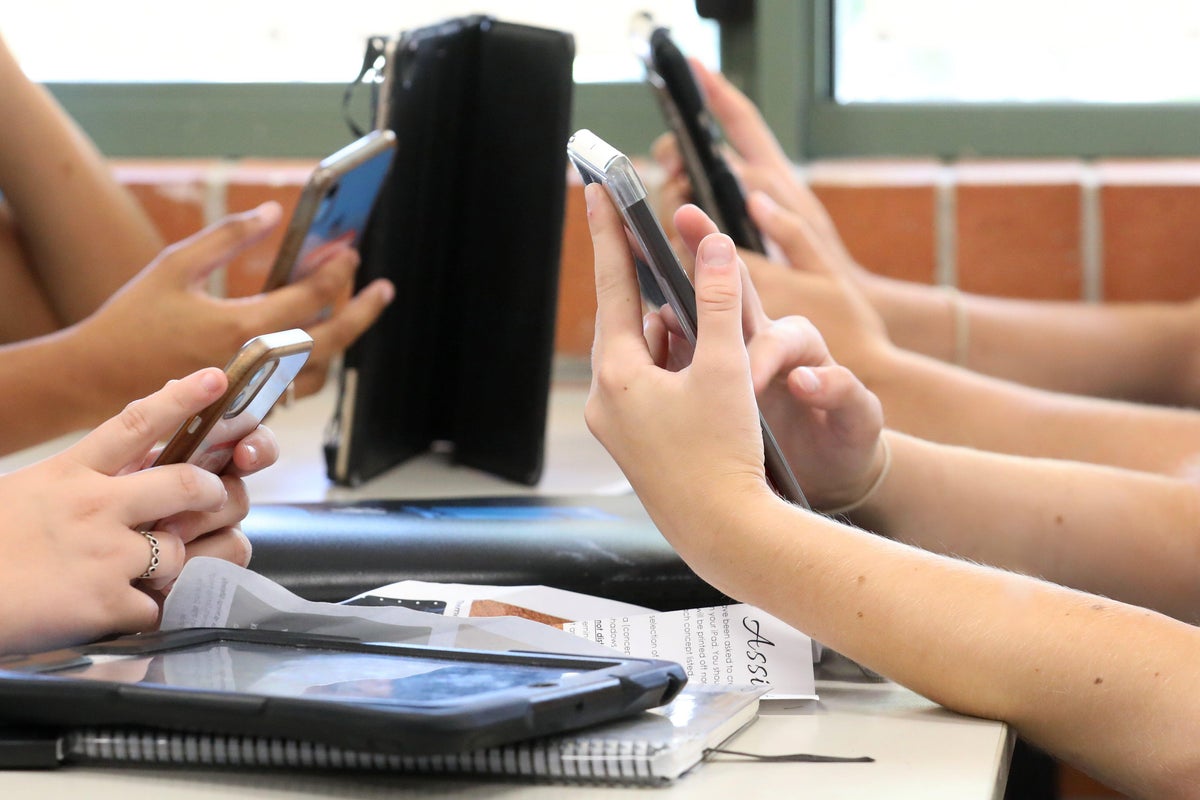
As education systems globally grapple with the impact of digital integration on student performance, another country has moved to ban mobile phones in schools to combat declining literacy levels. This policy shift reflects a growing international trend where governments are prioritizing focused reading time and reduced screen exposure to address concerns over falling academic standards.
The policy, which has been under development since 2023, is rooted in the Swedish government’s efforts to steer educational outcomes back toward traditional learning environments. By limiting the presence of mobile technology in classrooms, authorities aim to foster deeper concentration and improve student engagement with core curriculum materials. This move comes as data indicates a need for stronger academic interventions in the face of evolving digital distractions.
Addressing Declining Literacy and Digital Distraction
The move to restrict mobile device usage is part of a broader strategy by the Swedish centre-right coalition government to refocus the school day. According to official government policy documentation, the initiative emphasizes the role of the teacher in managing the classroom environment, ensuring that digital tools are used only when they serve a clear pedagogical purpose rather than as a constant distraction.
Educational experts have noted that the constant presence of smartphones in the classroom can fragment a student’s attention span, making sustained reading and complex problem-solving more difficult. By creating “phone-free” zones within schools, the government intends to provide a more stable environment for students to develop critical thinking and literacy skills, which are essential for long-term academic success.
The Shift Toward Analog Learning
The emphasis on “more reading time and less screen time” serves as a direct response to recent trends in student performance metrics. While digital literacy remains a priority, the government has argued that the foundation of a robust education system rests on the ability of students to process extended texts and engage in face-to-face dialogue. This approach aligns with broader educational reforms aimed at balancing technological proficiency with fundamental cognitive development.
The implementation of these restrictions varies by municipality, but the overarching policy guidance encourages schools to adopt stricter protocols regarding personal electronic devices. This is not merely a ban for the sake of restriction, but a systematic attempt to reclaim the classroom as a space for focused inquiry. Teachers and administrators are being supported in their efforts to enforce these standards, ensuring that technology does not undermine the educational experience.
What Happens Next for Students and Teachers
For students and parents, this policy means a significant change in daily school routines. Many schools are now requiring students to store their phones in designated lockers or secure areas during class hours. This change is intended to minimize the social pressures associated with constant connectivity during the school day, allowing students to focus more on their peers and their studies.
As these policies continue to roll out, the government is expected to monitor student performance indicators closely to assess the impact on reading and writing levels. Future updates regarding the efficacy of these measures will likely be released through the official channels of the Swedish Ministry of Education. Educators are encouraged to consult their local school board guidelines for specific implementation timelines and protocols as the academic year progresses.
The ongoing dialogue about screen time and literacy is far from over. As more countries observe the outcomes of these changes, the debate over how to integrate technology without compromising the intellectual development of the next generation will remain a central theme in global educational policy. We invite our readers to share their perspectives on this shift in the comments section below.
Related reading