Serbia and Sweden Urge Citizens to Leave Iran Amidst Rising Tensions
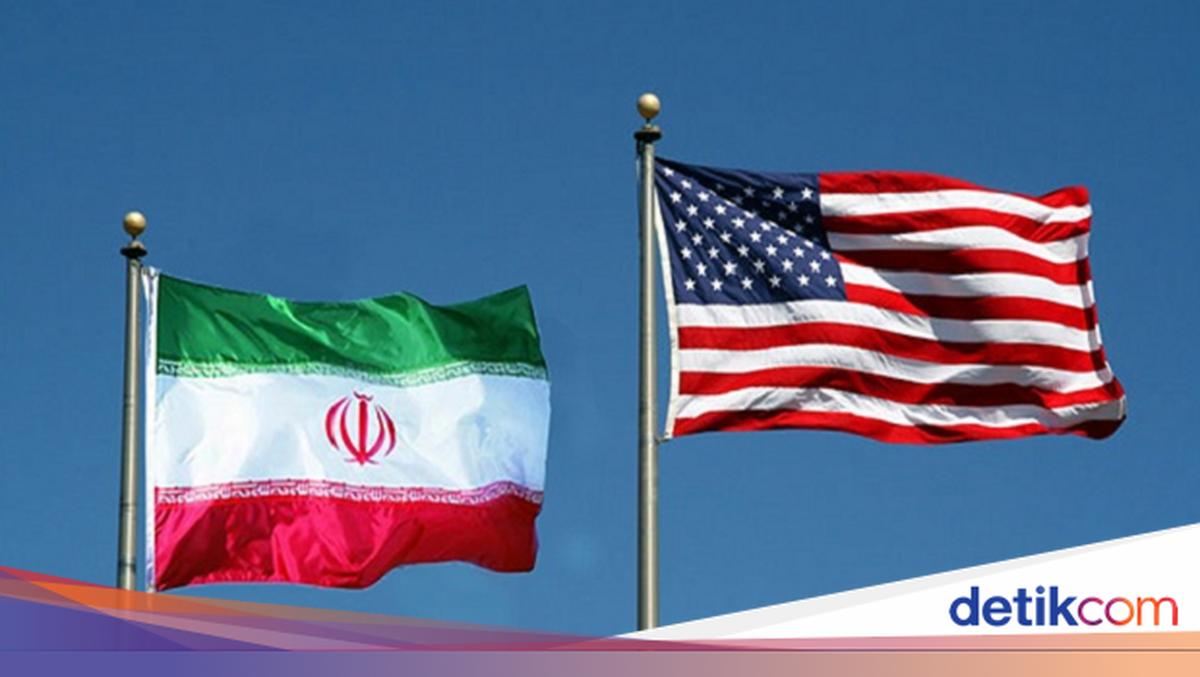
Amid escalating concerns over regional security and the potential for military conflict, both Serbia and Sweden are advising their citizens to immediately depart Iran. The advisories follow heightened rhetoric from U.S. President Donald Trump, who has threatened military action in response to Iran’s nuclear program. These calls for evacuation reflect a growing sense of unease among international actors regarding the stability of the region and the potential for a significant escalation of hostilities. The situation is further complicated by ongoing internal unrest within Iran, stemming from a crackdown on recent protest movements.
The Serbian government initially advised its nationals against travel to Iran in mid-January, coinciding with a violent suppression of widespread protests by Iranian authorities. Now, the urgency has increased. “Due to the deteriorating security situation, citizens of the Republic of Serbia are not recommended to travel to Iran in the coming period,” a statement released by the Serbian Ministry of Foreign Affairs on February 21, 2026, declared. “All those who are in Iran are recommended to leave the country as soon as possible.” This escalation in guidance underscores the perceived increase in risk for foreign nationals within Iran.
Sweden’s Foreign Minister, Maria Malmer Stenergard, echoed this sentiment, issuing a strong appeal on X (formerly Twitter) for Swedish citizens currently in Iran to leave the country without delay. The Swedish warning, issued on the same day as Serbia’s updated advisory, highlights a coordinated international response to the perceived threat. The Swedish Ministry for Foreign Affairs has not yet released a formal statement beyond the Minister’s social media post, but the message is clear: the safety of Swedish citizens in Iran is considered to be at risk.
Nuclear Program and U.S. Military Posture
The current crisis is rooted in concerns over Iran’s nuclear program and its compliance with international agreements. While Iran has expressed optimism about reaching a quick agreement with the United States to resolve these concerns, President Trump’s recent statements have cast doubt on the prospects for a diplomatic solution. On February 21, 2026, Trump indicated he was “considering” a limited military strike if negotiations fail to yield a satisfactory outcome. Gulf News reports that this threat has been accompanied by a significant build-up of U.S. Naval forces in the Middle East, intended to exert pressure on Tehran.
Adding to the heightened tensions, the U.S. Navy deployed the USS Gerald R. Ford, the world’s largest aircraft carrier, to the Mediterranean Sea on February 20, 2026. The carrier is en route to the Middle East, joining the USS Abraham Lincoln and other accompanying warships already stationed in the region. Images released on February 21, 2026, display the USS Gerald R. Ford transiting the Strait of Gibraltar, a key strategic waterway connecting the Atlantic Ocean to the Mediterranean Sea. This deployment is widely interpreted as a demonstration of U.S. Resolve and a signal of its willingness to utilize military force if necessary.
Internal Unrest in Iran
The advisories from Serbia and Sweden also come against a backdrop of ongoing internal unrest within Iran. The Serbian government’s initial warning in January was directly linked to the crackdown on mass protest movements within the country. While details regarding the nature and scale of these protests remain limited, reports suggest a significant level of government repression. The deteriorating security situation within Iran, coupled with the external threat posed by potential U.S. Military action, creates a particularly dangerous environment for foreign nationals.
The Iranian government, still, continues to express a desire for a diplomatic resolution to the nuclear dispute. Officials stated on February 20, 2026, that they hope to reach a quick deal with the United States, acknowledging the long-standing discord between the two nations. Despite this stated willingness to negotiate, the possibility of military intervention remains a significant concern, prompting the evacuation advisories from Serbia and Sweden.
Implications for International Relations
The current situation highlights the fragility of regional stability in the Middle East and the potential for rapid escalation. The coordinated response from Serbia and Sweden underscores the international community’s shared concern over the escalating tensions. The deployment of U.S. Naval forces and President Trump’s threat of military action have further heightened anxieties, raising the stakes for all parties involved. The situation also raises questions about the future of the Iran nuclear deal and the prospects for a peaceful resolution to the dispute.
The evacuation advisories issued by Serbia and Sweden are likely to be followed by similar warnings from other nations, potentially leading to a mass exodus of foreign nationals from Iran. This could further destabilize the country and exacerbate the existing tensions. The coming days and weeks will be critical in determining whether a diplomatic solution can be reached or whether the region is headed towards a military confrontation.
What Factors are Driving These Evacuation Advisories?
- U.S. Military Threat: President Trump’s explicit consideration of military action against Iran is a primary driver of the concern.
- Deteriorating Security Situation: The ongoing crackdown on protests within Iran and the overall instability contribute to the risk for foreign nationals.
- Nuclear Program Concerns: Disagreements over Iran’s nuclear program remain a central point of contention.
- U.S. Naval Buildup: The deployment of significant U.S. Naval assets to the region signals a heightened state of alert.
The situation remains fluid and unpredictable. The international community is closely monitoring developments, hoping for a de-escalation of tensions and a return to diplomatic negotiations. However, the risk of miscalculation and unintended consequences remains high. Citizens of other nations currently in Iran are encouraged to closely monitor travel advisories issued by their respective governments and to consider making arrangements to depart the country.
As of February 21, 2026, the U.S. State Department has not issued a similar blanket advisory for its citizens, but continues to urge Americans traveling to Iran to exercise increased caution. The situation is expected to remain volatile in the coming days as negotiations continue and the U.S. Military posture in the region evolves. Further updates will be provided as they become available.
The next key development to watch will be the outcome of ongoing negotiations between Iran and the United States and any further statements from President Trump regarding potential military action. We encourage readers to share this information with anyone they know who may be affected and to stay informed about the evolving situation in Iran.
Related reading