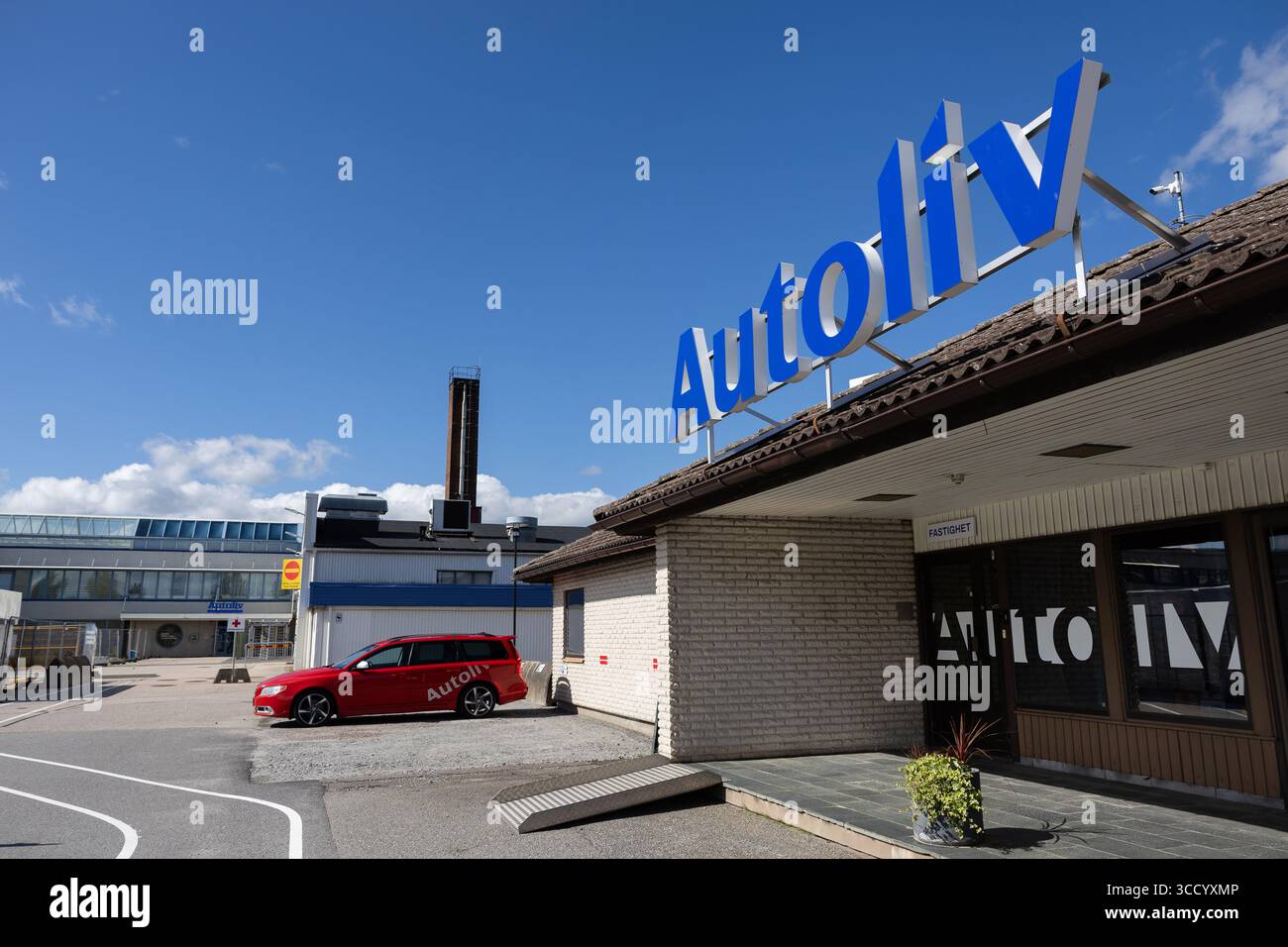
The global automotive landscape is undergoing a period of intense structural realignment and the latest reports concerning Autoliv, the world’s largest automotive safety supplier, suggest a significant shift in its operational footprint. Industry reports indicate that the Swedish company is preparing to withdraw its operations from Turkey, a move that signals a broader strategic pivot as the company streamlines its global manufacturing network.
For a company defined by its vision of “Saving More Lives,” the decision to exit a key regional market is rarely a simple matter of logistics. Instead, it often reflects a calculated transition toward “mobility safety solutions”—a shift from traditional passive safety systems in passenger cars to a more diverse array of protection for the evolving ways people move, including micromobility and multi-modal transport systems.
This reported exit from Turkey comes at a time when Autoliv is aggressively pursuing innovation in rider protection and sustainable safety technology. By optimizing its production hubs, the company appears to be prioritizing agility and high-growth sectors over the maintenance of legacy manufacturing sites in volatile economic regions.
Strategic Realignment and the Global Footprint
The reported withdrawal from Turkey is not an isolated event but part of a visible trend of industrial restructuring. In recent years, Autoliv has navigated complex geopolitical and economic challenges that have necessitated the divestment of assets to protect long-term shareholder value and operational efficiency.
A clear precedent for this approach was seen in February 2025, when Reuters reported that Autoliv finalized the sale of its Russian business to the local automotive group Avtodom. That transaction involved the divestment of a plant in Togliatti, where the company had produced airbags, seat belts, and steering systems. The Russia exit was characterized by a dormant operational status awaiting the completion of a lengthy approval process, illustrating the company’s willingness to fully decouple from markets that no longer align with its strategic or ethical mandates.
The situation in Turkey, while different in geopolitical nature, likely shares a similar logic of optimization. As the automotive industry pivots toward electric vehicles (EVs) and autonomous driving, the requirements for safety components are changing. Companies are increasingly consolidating production in regions that offer better integration with new technology hubs or more stable cost structures.
The Transition to New Mobility Safety
To understand why a market leader would exit an established hub like Turkey, one must look at Autoliv’s current research and development trajectory. The company is no longer focusing solely on the interior of the passenger vehicle; it is expanding into “all forms of mobility.”
Recent initiatives highlight this shift, including the development of integrated airbag systems for rider protection, such as those featured in the RS Taichi Airbag Vest and collaborations for motorcycle safety. The company has also renewed its partnership with the United Nations Road Safety Fund to strengthen motorcycle safety globally, aiming to contribute to the UN Sustainable Development Goal of reducing traffic fatalities by 2030.
By shifting resources away from traditional manufacturing sites and toward these innovation-led sectors, Autoliv is positioning itself as a technology provider rather than just a parts manufacturer. This transition involves a heavy investment in “passive safety systems” that can adapt to a multi-modal transport system, where the lines between cars, scooters, and motorcycles are increasingly blurred.
Impact on the Regional Automotive Sector
The departure of a tier-one supplier like Autoliv typically sends ripples through a local automotive ecosystem. Turkey has long been a vital hub for European automotive manufacturing, providing a bridge between Western design and Eastern production efficiency. The withdrawal of a major safety provider may force local original equipment manufacturers (OEMs) to seek alternative supply chains, potentially increasing reliance on imports or accelerating the growth of local safety component startups.
Stakeholders affected by this move include:
- Local Workforce: Employees at Turkish facilities face uncertainty, although divestments often involve the sale of assets to local buyers who may maintain operations.
- Automotive OEMs: Car manufacturers operating in Turkey must now secure new partnerships for critical safety components like airbags and steering systems.
- Regional Suppliers: Smaller firms that provided raw materials or logistics to Autoliv may see a dip in demand.
What Which means for the Future of Automotive Safety
Autoliv’s reported movements suggest a “quality over quantity” approach to its global presence. Rather than maintaining a presence in every major automotive market, the company is focusing on “Tech Centers” and strategic hubs that can support its ambition of saving 100,000 lives per year.
This strategy is a response to the “new mobility horizons” the company has identified. The future of safety is not just about the strength of a seatbelt, but about the intelligence of the system—predictive safety, integrated wearables, and cross-platform protection. The cost of maintaining legacy plants in markets with high inflation or fluctuating demand can detract from the capital needed to lead these technological breakthroughs.
As Chief Editor of Business at World Today Journal, I have observed this pattern across several industrial sectors: the “Great Consolidation.” Companies are shedding peripheral assets to fund a core leap into the next generation of their industry. For Autoliv, that leap is the transition from an automotive supplier to a comprehensive mobility safety entity.
Key Takeaways
- Market Exit: Autoliv is reportedly withdrawing from the Turkish market as part of a strategic operational review.
- Strategic Pivot: The company is shifting focus from traditional passenger vehicle safety to broader “mobility safety solutions,” including rider protection.
- Operational Precedent: This follows a pattern of consolidation, including the confirmed sale of its Russian operations to Avtodom in early 2025.
- Global Goal: These moves align with Autoliv’s broader ambition to save 100,000 lives annually and support UN road safety goals.
The next confirmed checkpoint for investors and industry observers will be Autoliv’s upcoming quarterly financial reports and official regulatory filings, which typically detail the financial impact of divestments and the reallocation of capital toward new R&D projects. We will continue to monitor official company statements for a formal announcement regarding the timeline and terms of the Turkish withdrawal.
Do you think the consolidation of automotive suppliers will lead to higher costs for consumers, or faster innovation in safety? Share your thoughts in the comments below.
Keep reading