Switzerland is currently completing one of the world’s most powerful pumped-storage hydroelectric power plants, the Nant de Drance facility, which functions as a massive, subterranean “water battery” capable of storing significant amounts of renewable energy. Located 100 feet underground in a cavern between the Emosson and Vieux Emosson reservoirs in the Swiss Alps, the plant provides 900 megawatts of power to the grid. This infrastructure allows Switzerland to balance the intermittent supply of wind and solar energy by pumping water uphill when electricity demand is low and releasing it to generate power when demand peaks, according to the project’s operator, Nant de Drance SA.
The facility represents a key component of Switzerland’s energy transition, designed to mitigate the volatility inherent in renewable power sources. By utilizing the altitude difference between two alpine reservoirs, the plant acts as a large-scale energy storage system. When the European grid has a surplus of electricity—often during periods of high wind or solar production—the plant consumes that excess energy to pump water from the lower reservoir to the upper one. When demand surges, the stored water is released through turbines to generate electricity in minutes, effectively acting as a giant battery that can hold up to 20 million kilowatt-hours of energy, as reported by Alpiq, one of the primary shareholders in the project.
Engineering the Underground Facility
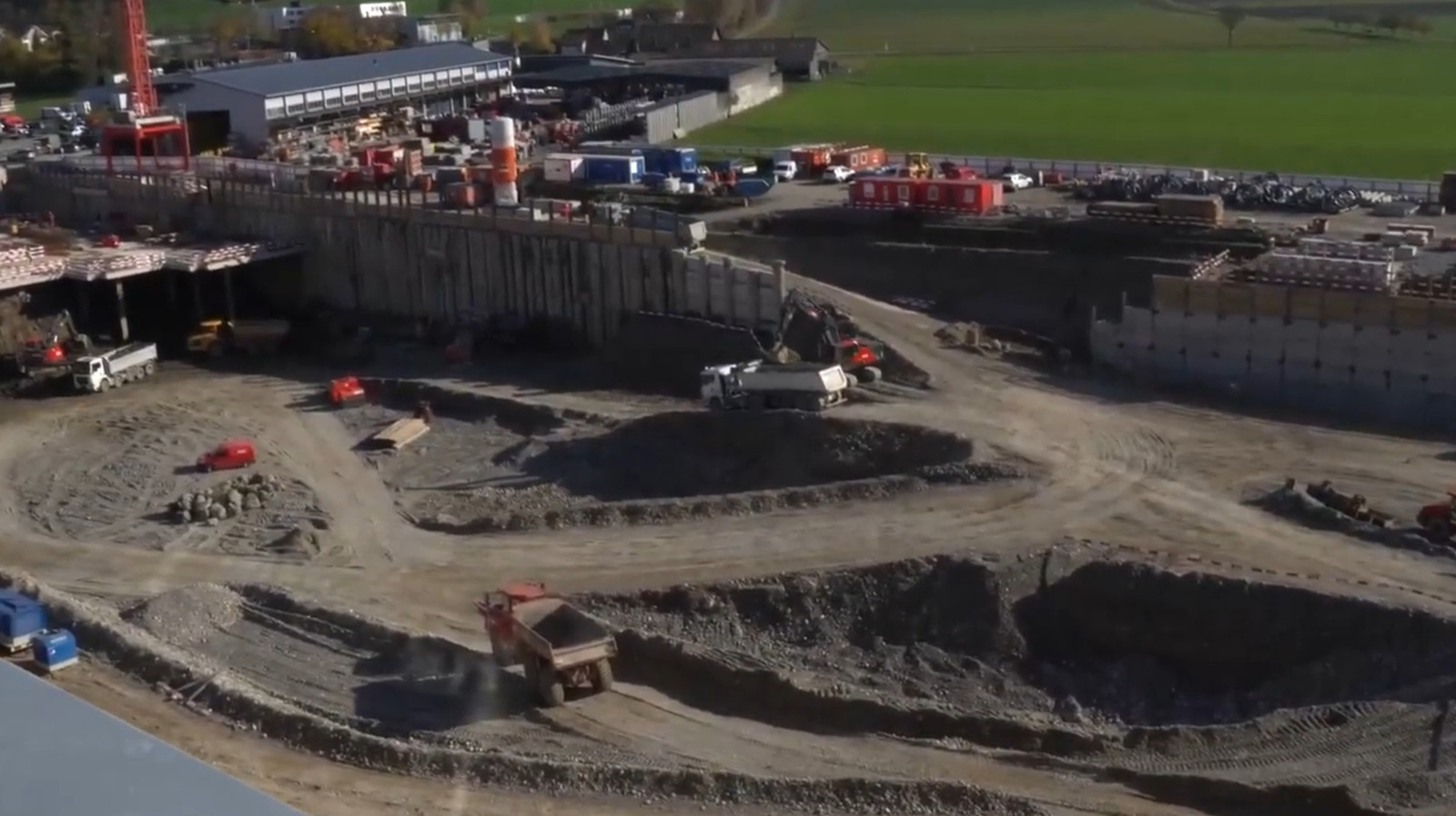
Constructing a power plant of this scale required significant excavation beneath the high-altitude terrain of the Valais canton. The cavern housing the turbines and generators measures 194 meters long, 32 meters wide, and 52 meters high. This engineering feat was achieved over the course of 14 years, with the facility reaching full commercial operation in August 2022. The placement of the equipment deep underground was a necessity to protect the machinery from the harsh alpine climate and to minimize the environmental footprint on the surrounding landscape.

The technical core of the plant consists of six pump-turbines, each capable of producing 150 megawatts. These units are reversible, meaning they can switch between pumping water and generating electricity in less than ten minutes. This flexibility is critical for grid stability, as it allows operators to respond to sudden drops in solar or wind output across the European interconnected power network. The project cost approximately 2 billion Swiss francs to complete, a figure reflecting the complexity of tunneling through granite and installing heavy-duty electrical infrastructure in a remote mountain location, according to data from Neue Zürcher Zeitung.
Why Pumped Storage Matters for Renewables
As Europe shifts away from fossil fuels, the reliance on weather-dependent energy sources like wind and solar creates a challenge for grid operators: supply must match demand at all times. Pumped-storage hydroelectricity is currently the most efficient way to store large quantities of energy for long durations. Unlike chemical batteries, which are often limited by capacity and degradation over time, the Nant de Drance system relies on the potential energy of water, which can be cycled repeatedly with minimal loss of efficiency. The round-trip efficiency of the plant—the ratio of energy recovered to energy spent—is approximately 80%, according to International Energy Agency analysis of pumped-storage technologies.

The integration of this “water battery” into the Swiss grid provides a buffer that helps prevent blackouts during periods of low renewable generation. Switzerland’s central location in Europe makes it a vital hub for electricity transit, and the Nant de Drance facility enhances the country’s ability to act as a stabilizer for neighboring grids in Germany, France, and Italy. By storing energy when prices are low and selling it back to the grid when prices are high, the plant also provides an economic incentive for maintaining a robust renewable energy supply, as highlighted by The Swiss Federal Office of Energy.
Future Outlook and Grid Integration
The success of the Nant de Drance project has spurred interest in further developing Switzerland’s existing hydroelectric capacity. While there are few locations left for entirely new, massive reservoirs due to environmental and topographic constraints, there is ongoing activity to increase the height of existing dams to expand storage volumes. For example, the expansion of the Vieux Emosson dam, which serves as the upper reservoir for the Nant de Drance plant, was completed prior to the commissioning of the turbines, allowing for a significant increase in the facility’s total energy storage capacity, according to official project specifications.
Looking ahead, the focus for grid operators remains on digitalizing the management of these assets to better predict weather patterns and price fluctuations. The next phase of development for the Swiss energy landscape involves integrating these large-scale storage assets with smaller, decentralized battery systems and smart-grid technologies. Updates on the operational performance and grid contribution of the Nant de Drance facility are provided periodically through the annual reports issued by the involved energy companies, including Alpiq, Axpo, and IWB. Readers interested in the long-term impact of this infrastructure can track upcoming energy policy discussions through the Swiss Federal Office of Energy website. We invite readers to share their thoughts on the role of large-scale hydro storage in the global transition to renewable energy in the comments section below.
Keep reading