
Swiss voters are heading to the polls to decide on a proposal to cap the nation’s population at 10 million people, a move aimed at curbing rapid demographic growth and addressing concerns over infrastructure and quality of life. The initiative, brought forward by the Swiss People’s Party (SVP), seeks to force the government to take drastic measures if the resident population exceeds this threshold, according to the Swiss Federal Council. This vote represents a significant test of Switzerland’s approach to immigration, sustainability, and its long-standing tradition of direct democracy.
The core of the “10-Millionen-Initiative” is a constitutional amendment that would trigger immediate government intervention should the permanent resident population reach the 10 million mark. Proponents argue that the current pace of growth—driven largely by net migration—strains the country’s housing market, public transportation, and power grid. Critics, including major business associations and the federal government, warn that such a cap could severely damage the Swiss economy, which relies heavily on foreign labor to fill gaps in sectors such as healthcare, technology, and manufacturing, as noted by SWI swissinfo.ch, the international branch of the Swiss Broadcasting Corporation.
As of recent data from the Federal Statistical Office (FSO), Switzerland’s population has been climbing steadily, recently surpassing 9 million. The prospect of reaching 10 million in the coming years has become a focal point for political debate, with the SVP leveraging the figure to highlight the environmental and social costs of what they describe as “uncontrolled migration.” The government has officially recommended rejecting the initiative, citing the potential for legal instability and the loss of access to the European single market, which is governed by bilateral agreements including the free movement of persons.
The Mechanics of the Population Cap
If the initiative passes, the federal government would be constitutionally obligated to implement strict controls to prevent the population from exceeding 10 million. These measures could include the suspension of certain types of residency permits, stricter asylum processing, and a fundamental renegotiation of international treaties. The Swiss Federal Constitution requires that any such change be compatible with international law, creating a potential legal conflict between the proposed cap and existing agreements with the European Union.

Economic analysts and industry groups have expressed concerns regarding the flexibility of the Swiss labor market. With an aging workforce, Switzerland faces a demographic squeeze where the number of retirees is increasing faster than the number of new entrants to the labor pool. According to reports from the economiesuisse business federation, a hard cap on population could lead to labor shortages, lower tax revenues, and a reduction in the competitiveness of Swiss companies on the global stage.
Public Sentiment and Political Context
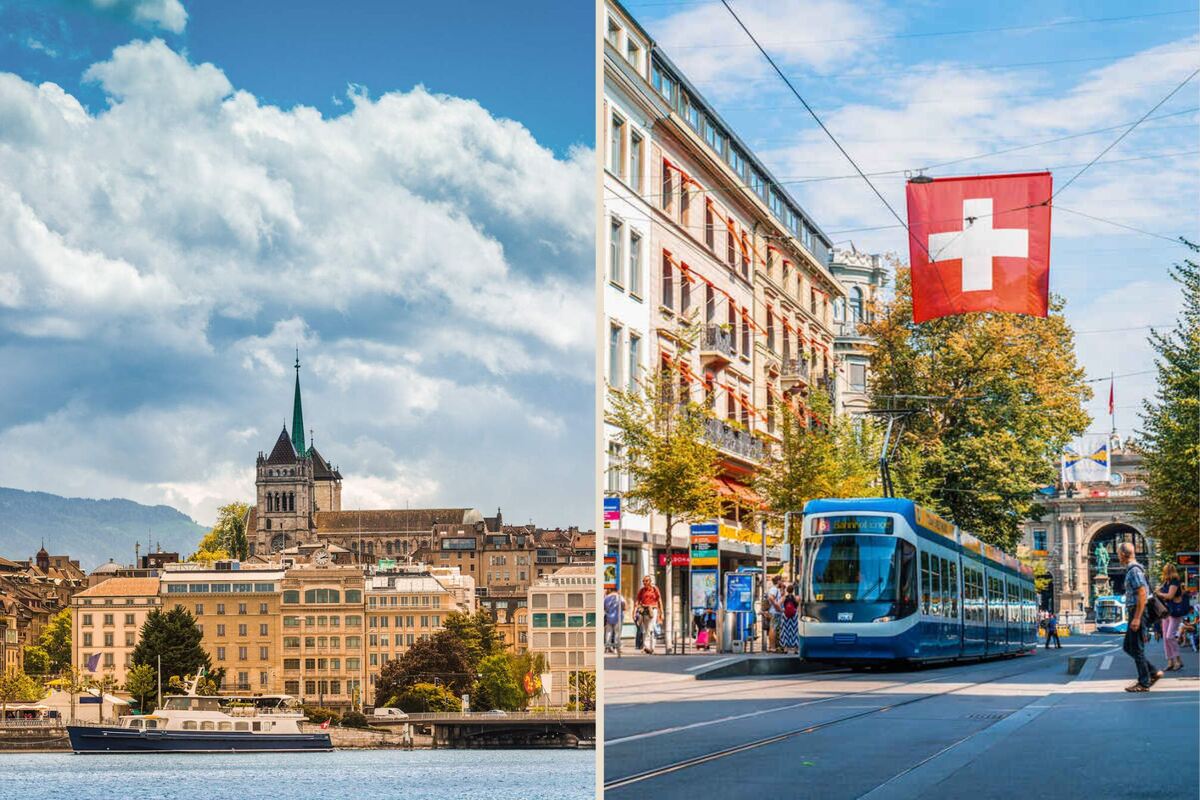
The debate surrounding the 10-million threshold is deeply polarized. Supporters of the initiative point to the rising cost of living, specifically the surge in rental prices in urban centers like Zurich and Geneva, as evidence that the country is reaching its “carrying capacity.” They argue that the quality of life for current residents is being eroded by overcrowding and the loss of green spaces. This sentiment reflects broader European trends where concerns over migration and urban density have become central to political campaigns.
Conversely, opponents argue that Switzerland’s prosperity is built on its openness and ability to attract global talent. They maintain that the current immigration levels are a response to economic demand, not a policy failure. The Swiss Parliament has extensively debated these issues, with a majority of lawmakers arguing that the existing mechanisms for managing migration, such as quotas for non-EU workers, are sufficient and that a constitutional hard cap is a blunt instrument that would cause more harm than good.
What Happens After the Vote
Once the polls close, the final results will be verified by the federal authorities. If the initiative is approved, the Federal Council will be tasked with drafting implementing legislation. This process typically involves a lengthy period of consultation and parliamentary debate, during which the specific details of how to enforce the 10-million limit would be hammered out. Given the international implications, this could lead to prolonged diplomatic negotiations with Brussels.

For voters and international observers, the result of this referendum serves as a barometer for the future of Swiss integration policies. Whether the nation chooses to prioritize demographic stability through a hard cap or continues its path of managed economic growth remains to be seen. Official updates on the vote count and subsequent government policy statements will be published on the Swiss Confederation’s portal. We encourage our readers to share their perspectives on the implications of this vote in the comments section below.