AI and Drug Repurposing: Syngene and VivaMed Partner to Accelerate Therapeutic Development
The pharmaceutical industry is increasingly turning to artificial intelligence (AI) to accelerate drug discovery and development, a process traditionally known for being lengthy and expensive. A fresh strategic collaboration between Syngene International and VivaMed BioPharma aims to capitalize on this trend, focusing on the validation and advancement of AI-derived repurposed therapeutic programs. This partnership, announced February 20, 2026, seeks to bridge the gap between computational predictions and tangible clinical candidates, potentially streamlining the path to new treatments for a range of diseases.
The collaboration will leverage Syngene’s established preclinical development capabilities alongside VivaMed’s AI-driven approach to identifying promising drug candidates. Repurposing existing drugs – finding new uses for medications already approved for other conditions – offers a faster and more cost-effective route to treatment compared to developing entirely new molecules. However, rigorous validation is crucial to ensure efficacy and safety. This partnership aims to provide that critical validation step, moving promising AI-identified candidates toward clinical trials and, to patients.
VivaMed’s Three-Pillar Strategy for AI-Driven Drug Discovery
VivaMed’s approach to drug discovery is built on a three-pillar framework. The foundation is AI-powered discovery, utilizing a proprietary AI engine and a global network of collaborating scientists. This engine analyzes vast datasets – including biomarkers and multi-omic data – to identify potential repurposing opportunities and connections between drugs and diseases. According to VivaMed, this process allows for the efficient screening of numerous compounds and the prioritization of those with the highest likelihood of success.
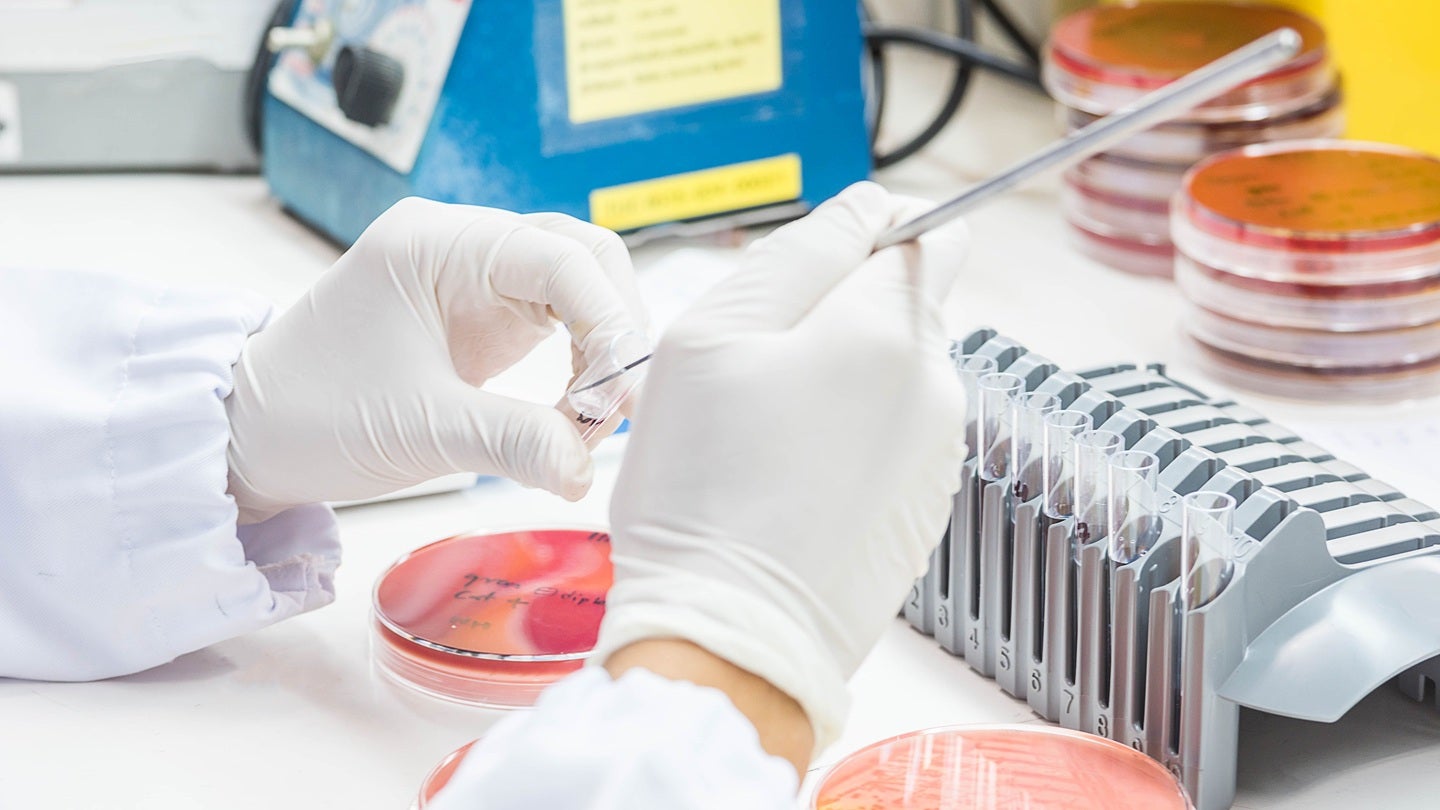
The second pillar, and the core focus of the Syngene partnership, is rigorous validation. This involves a comprehensive suite of preclinical studies, encompassing in vitro (laboratory) and in vivo (animal) pharmacology, mechanistic pathway interrogation, and assay development. Syngene International, a leading contract research organization (CRO) based in India, will provide the expertise and infrastructure to conduct these studies, ensuring the robustness and reproducibility of the findings. This validation process is critical for building intellectual property, preparing for regulatory submissions, and de-risking the development process.
The final pillar is strategic commercialization. VivaMed aims to navigate the complex regulatory landscape and bring validated programs to market through pathways like the 505(b)(2) approval process in the United States. The 505(b)(2) pathway allows companies to rely on existing clinical data for approved drugs when seeking approval for a new indication, potentially accelerating the timeline to market. This pillar also emphasizes biomarker-driven strategies to further refine patient selection and maximize treatment efficacy.
Syngene International: A Key Partner in Translational Validation
Syngene International has established itself as a significant player in the global pharmaceutical outsourcing market, offering a wide range of services from drug discovery to manufacturing. The company’s expertise in preclinical development, combined with its state-of-the-art facilities, makes it an ideal partner for VivaMed’s validation efforts. According to Syngene, this collaboration strengthens their ability to apply a scaled drug development model to repurposed assets, translating high-throughput research into credible therapeutic candidates.
Kenneth Barr, Senior Vice President and Head of Strategic Collaborations at Syngene, stated, “This partnership strengthens our ability to apply a scaled drug development model to repurposed assets, translating high-throughput research into credible therapeutic candidates for the ultimate benefit of patients.” This sentiment underscores the potential for the collaboration to accelerate the delivery of innovative therapies to those in need.
The Growing Trend of AI in Drug Discovery
The integration of AI into drug discovery is not a new phenomenon, but its pace is accelerating. AI algorithms can analyze vast amounts of data – genomic information, clinical trial results, scientific literature – to identify patterns and predict the efficacy of potential drug candidates with greater speed and accuracy than traditional methods. Shutterstock, a provider of stock images and resources, highlights the use of predictive algorithms for target identification, compound screening, and clinical trial optimization. This reflects the growing demand for AI-driven solutions within the pharmaceutical industry.
However, the success of AI-driven drug discovery hinges on robust validation. AI can generate hypotheses, but experimental evidence is essential to confirm those hypotheses and ensure the safety and efficacy of potential treatments. This represents where partnerships like the one between Syngene and VivaMed are crucial. By combining computational power with rigorous scientific validation, these collaborations aim to overcome the challenges of drug development and bring innovative therapies to market more efficiently.
Kendric Speagle, CEO of VivaMed BioPharma, emphasized the importance of this validation step, stating, “AI-driven discovery must be matched with rigorous experimental execution. Our partnership with Syngene strengthens our validation engine and ensures that our most promising programmes are developed with the scientific depth and operational discipline required for pharmaceutical collaboration.”
Looking Ahead: Building a Globally Integrated Ecosystem
The Syngene-VivaMed collaboration represents a broader trend toward building globally integrated, AI-driven drug development ecosystems. By connecting computational prioritization with contract research validation expertise, both companies aim to create a scalable infrastructure that delivers consistent, partnership-focused results. VivaMed continues to actively engage with academic institutions, pharmaceutical companies, and other CROs to expand its network and accelerate the development of validated programs with strong intellectual property protection.
The success of this partnership, and others like it, will be critical in determining the future of drug discovery. As AI continues to evolve, its integration with traditional research methods will likely become increasingly seamless, leading to faster, more efficient, and more effective drug development processes. The ultimate goal, of course, is to deliver innovative therapies to patients in need, and collaborations like the one between Syngene and VivaMed are a significant step in that direction.
Further updates on the progress of the collaborative programs are expected throughout 2026, with initial preclinical data anticipated in the latter half of the year. Readers interested in learning more about VivaMed BioPharma can visit their website at [website address not provided in source]. We encourage readers to share their thoughts and perspectives on the role of AI in drug discovery in the comments below.