Deadly Attack in Syria claims Lives of US Soldiers and Civilian Interpreter: A Deep Dive
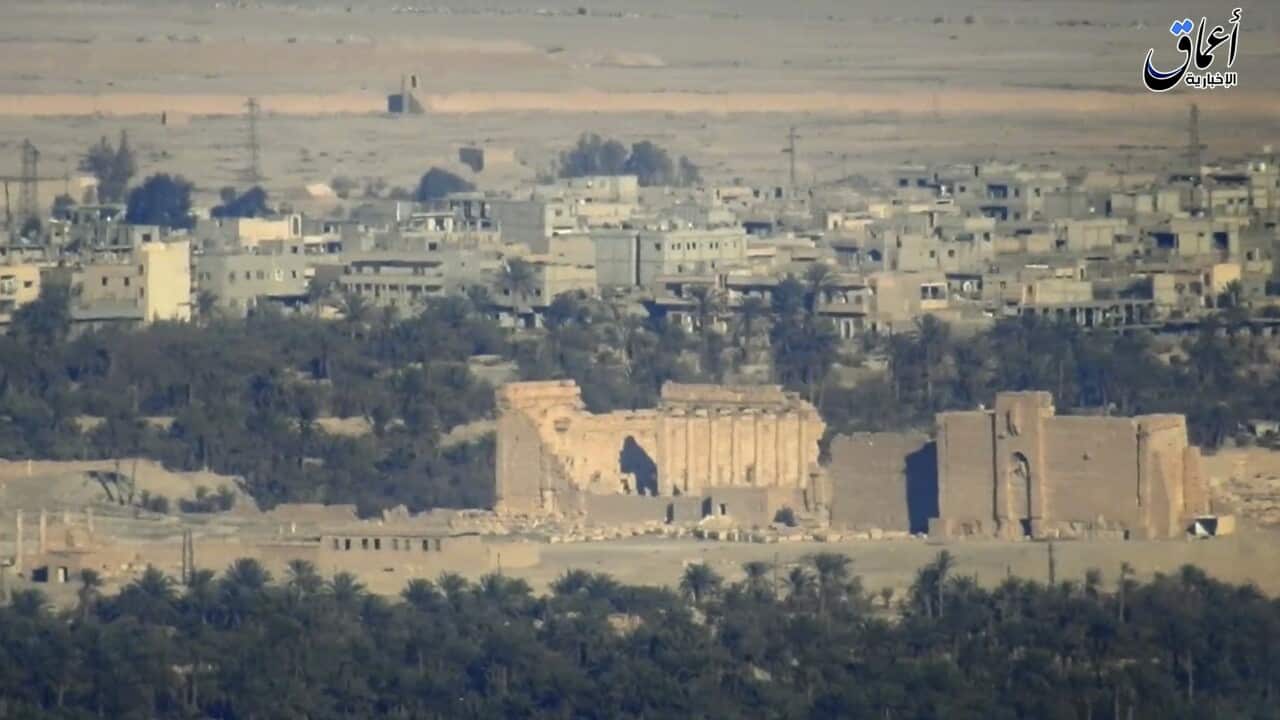
The fragile landscape of US-Syria relations was rocked on Saturday, December 10th, by a devastating attack that claimed the lives of two US Army soldiers and a Syrian civilian interpreter. The incident, occurring in the central Syrian town of Palmyra, has prompted vows of retaliation from former US President Donald trump and raised critical questions about the evolving security dynamics in the region. But what exactly happened, what are the implications, and what does this mean for the future of US involvement in Syria?
What we certainly know: The Details of the Attack
The attack unfolded as a convoy of American and Syrian forces was engaged in a “key leader engagement” – a meeting with local officials - in Palmyra. A lone gunman opened fire on the convoy before being neutralized by “partner forces,” as confirmed by US Central Command and Secretary of Defense Pete Hegseth via social media. Three US soldiers were also wounded in the assault.
Initial assessments point towards a potential connection to the Islamic State (ISIS), though the militant group has not yet officially claimed obligation. A senior US official indicated the attack occurred in a region not under the control of the Syrian government, adding a layer of complexity to the situation.
Perhaps most startling is the revelation that the attacker was identified as a member of the Syrian security forces. Three local officials confirmed this to Reuters, while a Syrian interior ministry spokesperson, Noureddine el-Baba, stated the individual held no leadership position. El-Baba further disclosed that an evaluation just one day prior, on December 9th, flagged the attacker for possibly holding extremist ideologies, with a decision regarding his status pending the following day. this raises serious questions about vetting procedures and potential internal threats within Syrian security apparatus.
A Shifting Landscape: US-Syria cooperation and Recent Developments
This attack occurs against a backdrop of cautiously improving, yet still complex, US-Syria relations. Just a month prior, Syria announced a political cooperation agreement with the US-lead coalition against ISIS. This agreement coincided with a visit by Syrian President Ahmed al-Sharaa to the White House – a significant symbolic gesture signaling a potential thaw in diplomatic ties.
The US-led coalition has been actively conducting air strikes and ground operations in Syria targeting ISIS suspects, frequently enough collaborating with Syrian security forces. Syria itself launched a nationwide crackdown last month, arresting over 70 individuals suspected of links to the terrorist association. This collaborative effort highlights a shared, albeit uneasy, interest in combating ISIS resurgence.
The Response: Trump’s Vow and Potential Ramifications
Former President Donald Trump responded to the attack with a forceful statement on his Truth Social platform, promising ”very serious retaliation” and mourning the loss of “three great patriots.” His remarks to reporters described the incident as a “terrible” attack.
However, the nature of any potential retaliation remains unclear. Escalation could further destabilize the region and potentially jeopardize the nascent cooperation between the US and Syria in combating ISIS. A measured response, focused on strengthening security protocols and addressing the internal threat within Syrian forces, may be a more prudent course of action.
Understanding the Context: Syria’s Ongoing Instability
Syria remains a deeply fractured nation, grappling with the aftermath of a brutal civil war. While the Assad regime has regained control over much of the country, significant pockets remain outside its control, creating a breeding ground for extremist groups like ISIS. The ongoing political and economic instability, coupled with regional power struggles, contribute to a volatile security environment. Learn more about the Syrian Civil War from the Council on foreign Relations: https://www.cfr.org/syria )
The presence of US forces in Syria, primarily focused on counter-terrorism operations and supporting local partners, is a contentious issue. While the US maintains its commitment to defeating ISIS, its continued presence is viewed by some as an infringement on Syrian sovereignty.
Evergreen Insights: The Long-term Challenges in Syria
The attack in palmyra underscores the enduring challenges facing Syria and the region. Even with the territorial defeat of ISIS, the underlying conditions that fueled its rise – political instability, economic hardship, and sectarian tensions – remain largely unaddressed. A sustainable solution requires a comprehensive approach that tackles these root causes, promotes inclusive governance, and fosters economic progress. Furthermore, navigating the complex geopolitical landscape, involving regional powers like Turkey, Iran, and Russia, is crucial for achieving lasting peace and stability. The US role will likely continue to be a delicate balancing act between counter-terrorism objectives and the need to avoid further entanglement in a protracted conflict.
**Frequently Asked
Keep reading