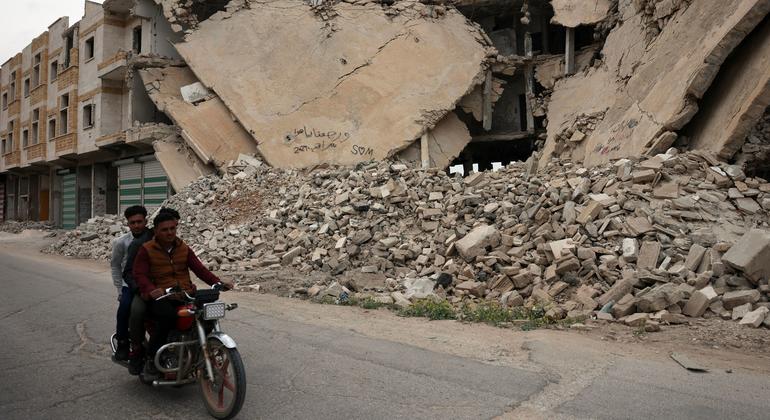
Syria: Progress towards Justice Remains Fragile one Year After Regime Change
One year after a significant shift in power, Syria is showing initial steps toward addressing past abuses, but a truly just and peaceful transition remains distant. The United Nations Human Rights Office (OHCHR) is urging continued and accelerated action to end ongoing violence and ensure accountability for all. While encouraging, current efforts represent only the beginning of a long and complex journey.
A mixed Picture of Progress and Persistent Concerns
Syria’s interim authorities have established national commissions focused on transitional justice and locating missing persons. A draft law on transitional justice has been announced, and trials related to violence in coastal areas from March have commenced. however, these developments are shadowed by deeply concerning reports of continued human rights violations.
Here’s a breakdown of the key issues:
* Ongoing Violence: Summary executions, arbitrary killings, and abductions continue, primarily targeting individuals linked to the former government and members of specific communities.
* Widespread Abuses: Reports detail sexual violence, arbitrary detentions, destruction of property, forced evictions, and suppression of basic freedoms like expression and peaceful assembly.
* Vulnerable Communities: Alawite,druze,Christian,and Bedouin communities are disproportionately affected by the violence,fueled by escalating hate speech both online and offline.
* Israeli Military Operations: Repeated Israeli military incursions and territorial occupation are adding to the instability,with reports of civilian casualties and arrests.
* Security Force Integration: The hasty integration of former armed groups into the new Syrian security forces, without adequate human rights vetting, poses a significant risk of perpetuating cycles of violence.
The Urgent Need for Accountability
“All violations – past and present – must be independently, thoroughly and transparently investigated, and those responsible held to account,” emphasized OHCHR spokesperson Thameen Al-Kheethan. You, as a citizen of the world, deserve to know that justice is being pursued.
This isn’t simply about punishing perpetrators; it’s about building a foundation for lasting peace. As UN High Commissioner for Human Rights Volker Türk has stated, accountability, justice, peace, and security for all Syrians are essential prerequisites for a successful transition.
what Does a Successful Transition look Like?
A genuine transition requires more than just legal frameworks and trials. It demands a extensive approach that addresses the root causes of the conflict and fosters inclusivity. Here’s what needs to happen:
- Robust Investigations: Self-reliant and transparent investigations into all alleged violations are paramount.
- Effective Vetting: Rigorous human rights vetting of all security personnel, including those integrated from former armed groups, is crucial.
- Inclusive Justice Mechanisms: Justice mechanisms must be accessible to all victims,regardless of their affiliation or community.
- Addressing Hate Speech: proactive measures to combat hate speech and promote tolerance are vital.
- Respect for Fundamental Freedoms: Guaranteeing freedom of expression, peaceful assembly, and other fundamental rights is non-negotiable.
Looking Ahead
The situation in Syria remains precarious.While the initial steps taken by the interim authorities are welcome, sustained commitment and increased international support are essential. The international community must prioritize accountability and justice to ensure a future where all Syrians can live in peace, dignity, and security.
This is a developing story, and the OHCHR continues to monitor the situation closely.