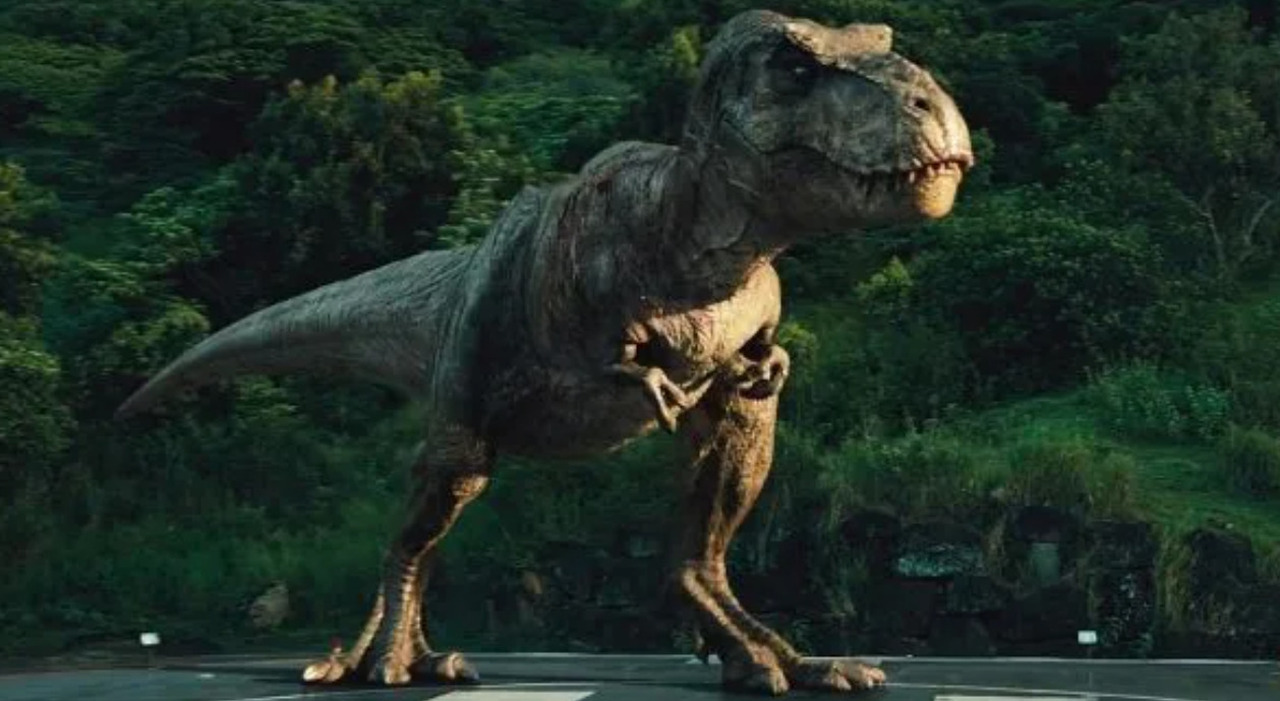
T. Rex’s Running Speed Reconsidered: New Research Challenges Long-Held Beliefs
For decades, the Tyrannosaurus rex has reigned in the popular imagination as a fearsome predator capable of pursuing prey at impressive speeds. However, a growing body of research, including recent analyses of bone structure and biomechanical modeling, is challenging this long-held assumption. Scientists are now suggesting that the T. Rex, far from being a swift runner, was likely a slower, more deliberate mover, relying on its immense size and powerful bite to dominate its environment. This shift in understanding has significant implications for how we reconstruct the behavior and ecology of this iconic dinosaur.
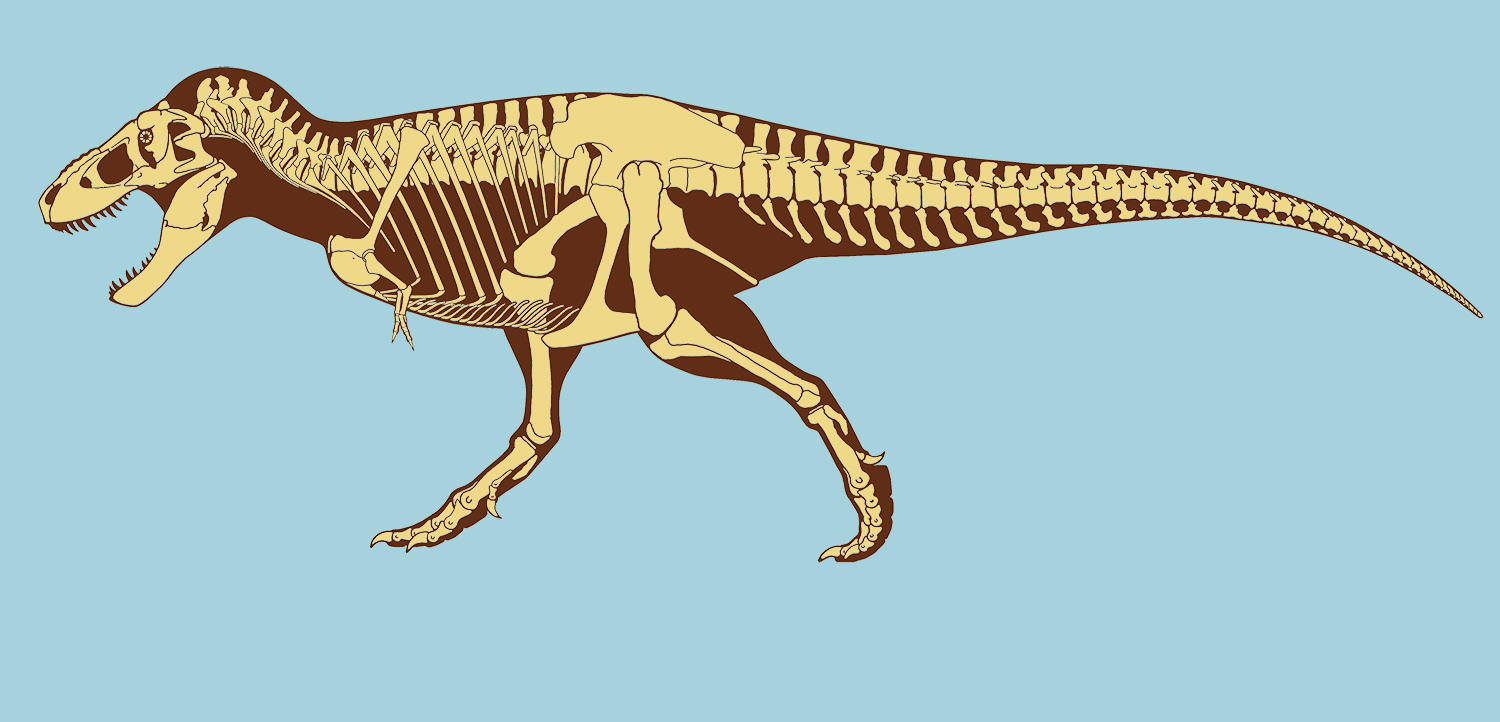
The traditional image of a rapidly running T. Rex stems largely from comparisons to modern large theropods, like ostriches and crocodiles, and extrapolations based on its skeletal structure. However, recent studies are focusing on the limitations imposed by the dinosaur’s massive weight and the biomechanics of its legs. Researchers are finding that the stresses placed on the T. Rex’s bones during high-speed locomotion would have been immense, potentially leading to frequent injuries. The debate isn’t simply about whether the T. Rex *could* run, but whether it *did* run, and whether running was a viable strategy for a creature of its size.
Bone Structure Reveals Clues to T. Rex Locomotion
A key area of investigation centers on the internal structure of T. Rex bones. In 2024, researchers published findings detailing the discovery of blood vessels and soft tissues within fossilized T. Rex bones, offering unprecedented insights into the dinosaur’s physiology. These preserved tissues, analyzed using advanced imaging techniques, revealed details about bone growth and remodeling. The analysis suggested that the T. Rex’s bones were adapted to withstand significant stress, but not necessarily the repetitive stress associated with running. Instead, the bone structure appears better suited for supporting a large body weight and absorbing the impact of powerful strides during walking or slower pursuits.
Further bolstering this hypothesis is research into the T. Rex’s leg muscles. Biomechanical models, informed by detailed reconstructions of the dinosaur’s musculature, indicate that the T. Rex’s leg muscles were powerful but not optimized for speed. The arrangement of muscle fibers and the leverage points suggest that the dinosaur was capable of generating significant force, but at the expense of velocity. These models suggest a comfortable walking speed of around 2.5 to 4 meters per second (approximately 5.6 to 9 mph), with a maximum running speed potentially limited to around 10-15 mph – significantly slower than previously estimated.
The Role of Weight and Balance in T. Rex Movement
The sheer size and weight of the T. Rex presented significant biomechanical challenges. Estimates of the T. Rex’s weight vary, but most fall within the range of 5.5 to 8 metric tons (6.1 to 8.8 short tons). This immense weight would have placed enormous stress on the dinosaur’s legs and joints during high-speed locomotion. The T. Rex’s center of gravity was relatively high, making it prone to instability during rapid turns or sudden stops.
Researchers have used computer simulations to assess the stability of the T. Rex during different types of movement. These simulations suggest that the dinosaur would have struggled to maintain balance at speeds exceeding a moderate pace. A fall at such speeds could have resulted in serious injuries, potentially even death. It’s plausible that natural selection favored a more cautious, deliberate gait over a risky, high-speed running style.
Implications for Understanding T. Rex Hunting Strategies
If the T. Rex was not a fast runner, how did it hunt? The answer likely lies in its immense size, powerful bite, and potentially, ambush tactics. The T. Rex possessed one of the most powerful bites of any terrestrial animal, capable of crushing bone and inflicting devastating wounds. This allowed it to subdue prey even without relying on speed.
Some paleontologists propose that the T. Rex may have been an ambush predator, using its size and camouflage to lie in wait for unsuspecting prey. Others suggest that it may have been a scavenger, feeding on carcasses of animals that died from other causes. It’s similarly possible that the T. Rex employed a combination of hunting and scavenging strategies, taking advantage of opportunities as they arose. The recent findings regarding its locomotion don’t necessarily negate the possibility of active predation, but they do suggest that the T. Rex’s hunting style was likely different from what was previously imagined.
A New Ancestor and the Origins of Tyrannosaurus Rex
Recent discoveries are also shedding light on the evolutionary origins of the T. Rex. The identification of a large bone fragment in Montana, dating back approximately 74 million years, suggests the existence of a previously unknown ancestor of the T. Rex. This ancestor, while not a direct predecessor, appears to have been a significant predator in its own right, potentially filling a crucial ecological niche. The size of the bone fragment indicates that this ancestor was already a substantial animal, suggesting that the evolutionary trend towards gigantism in the Tyrannosauridae family began earlier than previously thought.
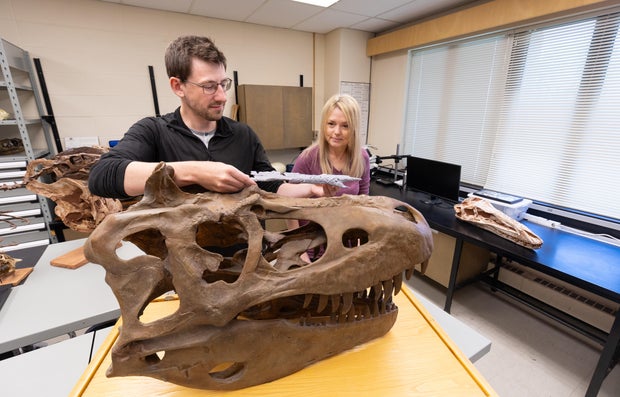
This discovery, coupled with the re-evaluation of T. Rex locomotion, is prompting paleontologists to reconsider the evolutionary pressures that shaped the Tyrannosauridae family. It’s possible that the ancestors of the T. Rex were more agile predators, but that as they grew larger, they gradually sacrificed speed for power and stability. This transition may have been driven by changes in prey availability or environmental conditions.
Ongoing Research and Future Directions
The debate over the T. Rex’s running speed is far from settled. Researchers continue to refine biomechanical models, analyze fossilized bones, and investigate the dinosaur’s muscle attachments. Future research may involve the leverage of advanced imaging techniques, such as synchrotron microtomography, to reveal even more details about the internal structure of T. Rex bones.
the discovery of new fossil specimens could provide additional clues about the dinosaur’s locomotion and hunting strategies. As our understanding of the T. Rex continues to evolve, we are gaining a more nuanced and accurate picture of this iconic predator. The image of the T. Rex as a relentless, high-speed hunter is slowly giving way to a more complex and fascinating portrayal of a powerful, deliberate, and ecologically dominant creature.
The ongoing research into the T. Rex’s locomotion and evolutionary history underscores the dynamic nature of paleontological science. New discoveries and technological advancements are constantly challenging our assumptions and forcing us to re-evaluate our understanding of the past. The story of the T. Rex is a testament to the power of scientific inquiry and the enduring mystery of the dinosaur age.
Further updates on paleontological discoveries and research into dinosaur locomotion can be found on the websites of leading scientific institutions, such as the Smithsonian National Museum of Natural History and the American Museum of Natural History.
What are your thoughts on the changing understanding of the T. Rex? Share your comments below, and don’t forget to share this article with your fellow dinosaur enthusiasts!