The Reign Isn’t Solo: Nanotyrannus Confirmed as Distinct Species, Rewriting T. rex History
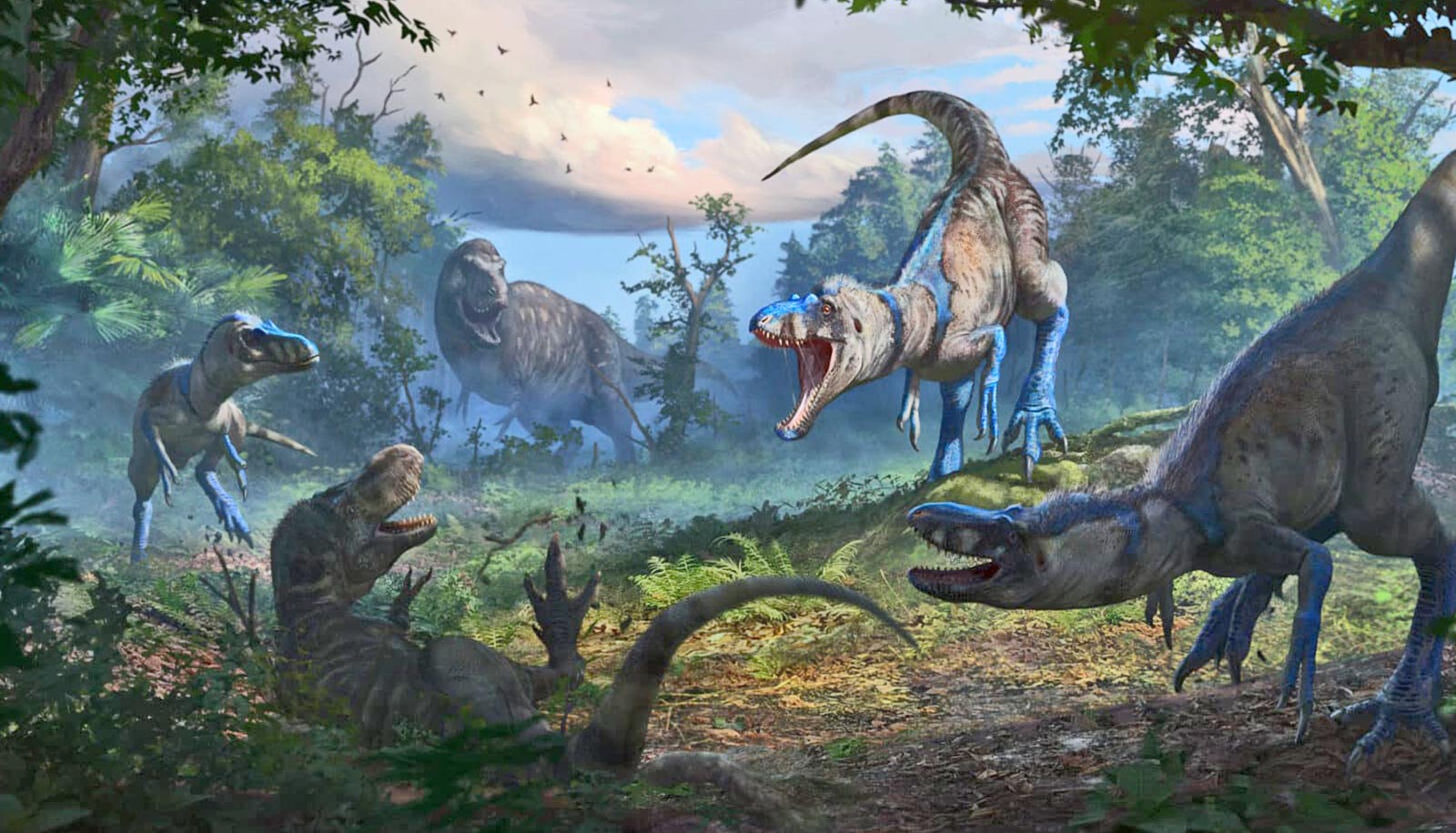
For decades, paleontologists debated whether certain smaller Tyrannosaurus rex fossils represented juvenile versions of the iconic predator. Now, groundbreaking research definitively confirms these weren’t teenage T. rex at all - they belong to a separate, fully grown tyrannosaur species: Nanotyrannus lancensis. This discovery isn’t just a taxonomic correction; it fundamentally alters our understanding of the dinosaur ecosystem just before the asteroid impact.
A Battle Frozen in Time
The evidence comes from the remarkable “Dueling Dinosaurs” fossil, unearthed in Montana. This amazing specimen depicts a Triceratops locked in mortal combat with a smaller tyrannosaur. previously, many scientists believed this tyrannosaur was a young T. rex.
Though, a new study published in Nature - led by Lindsay Zanno of North Carolina State university and James Napoli of Stony Brook University – proves or else. “This fossil doesn’t just settle the debate.It flips decades of T. rex research on its head,” Zanno explains.
How Scientists Proved Nanotyrannus Was Real
The team employed a multi-faceted approach, meticulously analyzing the fossil’s anatomy. Hear’s what they found:
* Growth Rings: Analysis of bone growth rings indicated the specimen was approximately 20 years old – a physically mature adult.
* Spinal Fusion: The degree of spinal fusion confirmed the dinosaur had reached skeletal maturity.
* Developmental Anatomy: Crucially, Nanotyrannus possessed features established early in growth that are impossible for a growing T. rex to develop. These include:
* Larger forelimbs relative to body size.
* A higher tooth count.
* Fewer vertebrae in the tail.
* Unique patterns in the skull’s nerve pathways.
“For Nanotyrannus to be a juvenile T. rex, it would need to defy everything we certainly know about vertebrate growth,” Napoli states. “Its not just unlikely-it’s impossible.”
The Implications: A More Diverse cretaceous world
This confirmation has meaningful ramifications. For years, paleontologists unknowingly used Nanotyrannus fossils to model T. rex growth and behavior. Now, we know those models were based on two distinct animals.
Moreover, the research reveals that multiple tyrannosaur species coexisted in the final million years of the Cretaceous period. This paints a picture of a far more competitive and diverse predator landscape than previously imagined.
Introducing N. lethaeus: A New Species Emerges
The team didn’t stop with confirming Nanotyrannus lancensis. They also identified another skeleton, previously labeled a juvenile T. rex, as a new species within the Nanotyrannus genus.
They named it N. lethaeus, referencing the River Lethe from Greek mythology – a river of forgetfulness. This name acknowledges how this species remained overlooked and “forgotten” for so long.
What Does This Mean for You?
this discovery highlights the dynamic nature of paleontological research.What we think we certainly know about the past is constantly being refined as new evidence emerges.
The confirmation of Nanotyrannus suggests that other smaller dinosaur species may have been misidentified as juveniles of larger relatives. This opens up exciting avenues for future research and the potential for even more surprising discoveries.
A Richer, More Competitive Ecosystem
The image of T. rex as the undisputed king of the dinosaurs is now more nuanced. While a formidable predator with immense size and power, T. rex wasn’t alone at the top of the food chain.
Nanotyrannus was a leaner, swifter, and more agile hunter, darting alongside its larger cousin. This discovery paints a richer, more competitive picture of the last days of the dinosaurs, reminding us that even the most iconic creatures lived in complex ecosystems.
Source: [North Carolina state University](https://news.ncsu.edu/202
Worth a look