
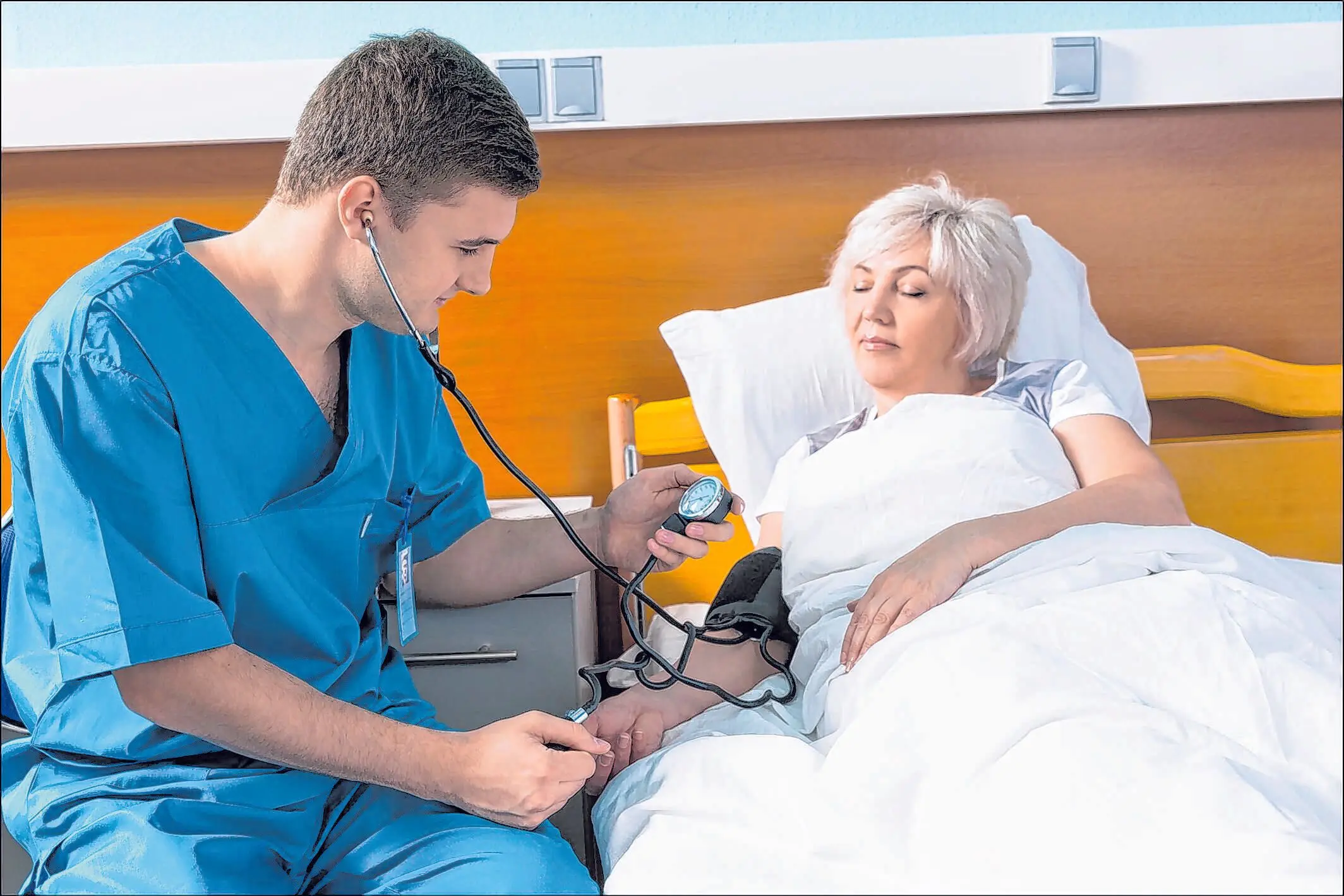
The stability of any modern economy is inextricably linked to the resilience of its healthcare workforce. In Germany, a nation grappling with an aging population and a systemic shortage of qualified medical staff, the approach to nursing education has undergone a fundamental transformation. The shift toward a more versatile, “generalist” model of training represents more than just a curricular change; it is a strategic economic response to a labor market in crisis.
Central to this evolution is the generalist nursing training in Germany, a system designed to break down the silos that previously divided nursing care into specialized tracks. By creating a unified qualification, the German government aims to increase the mobility of the workforce and make the profession more attractive to a diverse range of candidates. This transition is frequently highlighted during “Tag der Pflege” (Nursing Day) events, where policymakers and practitioners advocate for even greater flexibility in how these professionals are trained and integrated into the workforce.
As an economist and journalist, I view these developments through the lens of labor supply and demand. The nursing shortage is not merely a social issue; it is a significant economic bottleneck. When hospitals and care facilities cannot staff their wards, the resulting inefficiency increases costs, reduces the quality of care, and places an unsustainable burden on existing staff, leading to higher burnout rates and further attrition.
The Shift to Generalist Training: A Strategic Overhaul
Prior to 2020, nursing education in Germany was fragmented. Students had to choose between three distinct paths: geriatric nursing, pediatric nursing, or general nursing. While this ensured deep specialization, it created a rigid labor market. A nurse trained exclusively in elderly care could not easily transition to a pediatric ward, even if the demand shifted or the professional’s personal circumstances changed.
To remedy this, the German government implemented the Pflegeberufegesetz (Nursing Professions Act), which officially launched the generalist training model on January 1, 2020. Under this new framework, students graduate as a Pflegefachfrau or Pflegefachmann (Nursing Specialist). This single qualification empowers them to work across all sectors of nursing care, from neonatal units to hospice care.
From a business perspective, this is a classic move toward “skill versatility.” By diversifying the capabilities of the entry-level workforce, the healthcare system gains a level of elasticity. Facilities can redeploy staff based on real-time needs, and practitioners enjoy greater career longevity and flexibility, which are critical factors in workforce retention.
The Push for Flexibility and Accessibility
While the generalist model provides a strong foundation, the discussions surrounding “Tag der Pflege” emphasize that a unified curriculum is not enough. To truly combat the nursing shortage, the pathway into the profession must become more flexible. The traditional three-year vocational training model, while rigorous, can be a barrier for adult learners, career changers, or those with caregiving responsibilities at home.

Advocates are calling for several key adjustments to make the generalist nursing training in Germany more accessible:
- Part-time Training Options: Allowing students to complete their qualification over a longer period would open the door to a demographic of students who cannot commit to full-time study.
- Modular Certification: Implementing a system where students can earn certifications for specific competencies as they progress, providing immediate value and a sense of achievement.
- Recognition of Prior Learning: Streamlining the process for foreign-trained nurses to have their credentials recognized, reducing the bureaucratic hurdles that often lead to “brain waste” where highly skilled migrants work in unskilled roles.
the financial structure of the training is a key incentive. In Germany, vocational nursing training is typically not only free of tuition fees but also provides a monthly stipend to the student. This “earn-while-you-learn” model is essential for attracting candidates from lower socioeconomic backgrounds, ensuring that the pipeline of new nurses is not limited by financial means.
Economic Implications of the Nursing Shortage
The urgency of these reforms is underscored by the sheer scale of the labor gap. According to data from the Bundesagentur für Arbeit (Federal Employment Agency), nursing remains one of the most critical shortage occupations in the country. When vacancies remain unfilled, the economic ripple effects are profound.
First, there is the direct cost of agency staffing. To maintain legal staffing ratios, many hospitals are forced to hire “Leiharbeitnehmer” (temporary agency workers), who command significantly higher hourly rates than permanent staff. This inflates operational costs for hospitals, many of which already operate on razor-thin margins under the current reimbursement systems.
Second, there is the cost of productivity loss. When a ward is understaffed, the remaining nurses must work overtime, leading to exhaustion and an increase in medical errors. The long-term economic cost of nurse burnout—expressed in sick leave and early retirement—is a hidden drain on the national healthcare budget.
Comparison of Training Models
| Feature | Pre-2020 Model (Specialized) | Post-2020 Model (Generalist) |
|---|---|---|
| Qualification | Three separate certificates | One unified “Nursing Specialist” degree |
| Workplace Mobility | Limited to specific sector | Universal across all care settings |
| Curriculum | Sector-specific | Comprehensive and integrated |
| Labor Market Impact | Rigid; high vacancy in some sectors | Flexible; better resource allocation |
Challenges in Implementation and the Path Forward
Despite the theoretical advantages of the generalist approach, the transition has not been without friction. Some educators and practitioners have expressed concerns that the “generalist” approach may lead to a “jack of all trades, master of none” scenario. There is a fear that the deep, specialized knowledge required for complex pediatric or geriatric care could be diluted in favor of a broader, shallower curriculum.
To mitigate this, the German system allows for further specialization after the generalist degree. This “staged” approach—generalist first, specialist later—is a sophisticated way to ensure a baseline of competence while still allowing for the high-level expertise required in intensive care or oncology.
However, the real challenge remains the “attrition rate.” Training more nurses is futile if the working conditions do not improve. The flexibility sought during “Tag der Pflege” is not just about how one enters the profession, but how one stays in it. This includes discussions on better shift scheduling, higher base pay, and more autonomy for nursing professionals in clinical decision-making.
Global Context: A Universal Struggle
Germany’s struggle is not unique. From the United Kingdom’s NHS to the healthcare systems of Canada and the United States, the “care gap” is a global phenomenon. The common denominator is an aging “baby boomer” generation requiring more care, coinciding with a workforce that is increasingly unwilling to accept the grueling conditions historically associated with nursing.
Germany’s move toward a generalist model is an interesting case study in institutional adaptation. By treating nursing education as a strategic labor asset rather than just a vocational requirement, Germany is attempting to build a more resilient infrastructure. For other nations, the lesson is clear: specialization is valuable, but in a crisis, versatility is a survival mechanism.
The success of this model will ultimately be measured not by the number of graduates, but by the retention rates five and ten years post-graduation. If the generalist degree, combined with increased flexibility in training and working conditions, can stabilize the workforce, it will serve as a blueprint for healthcare reform worldwide.
The next critical milestone for the German healthcare sector will be the upcoming reviews of the Pflegeberufegesetz, where policymakers are expected to evaluate the first full cohorts of generalist graduates to determine if the curriculum needs further refinement to meet clinical demands.
Do you believe a generalist approach to medical training is more effective than early specialization in the face of a labor shortage? Share your thoughts in the comments below or share this analysis with your professional network.