Vitamin D: The Silent Brain Changes That Start Decades Before Alzheimer’s

Vitamin D deficiency has long been linked to bone health and immune function, but emerging research suggests its influence may extend far beyond these well-known roles, reaching into the very architecture of the brain decades before clinical symptoms of Alzheimer’s disease appear. A growing body of evidence indicates that maintaining adequate vitamin D levels during … Read more

How Solving Puzzles Can Delay Alzheimer’s Symptoms by Years

For millions of families worldwide, the fight against neurodegenerative decline is often focused on medical interventions and pharmaceutical breakthroughs. However, new research suggests that a simple, tactile hobby—puzzling—could serve as a powerful tool in delaying the onset of Alzheimer’s symptoms, potentially pushing back the diagnosis by several years. The concept centers on the “cognitive reserve,” … Read more

Loneliness Affects Memory, but Doesn’t Accelerate Cognitive Decline

For years, a prevailing narrative in geriatric health has suggested that the profound isolation of old age acts as a catalyst for the brain’s decline. However, new evidence is challenging the idea that loneliness directly accelerates the biological clock of cognitive decay. Recent research indicates that although loneliness significantly influences memory performance, it may not … Read more

Brain Training Cuts Alzheimer’s Risk by 25% – 20-Year Study Reveals Best Exercises

Brain Training May Offer Long-Term Protection Against Alzheimer’s, Landmark Study Suggests The specter of Alzheimer’s disease looms large over an aging global population. Worldwide, an estimated 55 million people live with dementia, and that number is projected to nearly triple by 2050, according to the World Health Organization. But a new long-term study offers a … Read more

Brain Training Cuts Alzheimer’s Risk by 25% – 20-Year Study Reveals Best Exercises

Brain Training May Reduce Dementia Risk by 25%, Landmark Study Finds The prospect of delaying or even preventing dementia is a growing area of research, driven by the increasing global prevalence of Alzheimer’s disease and other cognitive impairments. As of 2025, an estimated 1.8 million people in Germany are living with a form of dementia, … Read more

Alzheimer’s: New Blood Test Breakthrough for Early Detection?

The landscape of Alzheimer’s disease diagnosis is undergoing a potentially revolutionary shift. For decades, definitive diagnosis has relied on expensive and often invasive procedures like PET scans and cerebrospinal fluid analysis. Now, a newly cleared blood test promises a less burdensome, more accessible path to early detection, offering a glimmer of hope in the fight … Read more

Oxytocin Release & Social Behavior: New Insights into the “Cuddle Hormone”

The intricate dance of social interaction relies on a complex interplay of neurochemicals, with oxytocin often dubbed the “bonding hormone” or “cuddle chemical.” New research, published in Communications Biology on February 11, 2026, sheds light on the nuanced mechanisms governing oxytocin release in the brain, revealing a slower, more sustained release pathway that appears crucial … Read more

Dynamic Games Sharpen Your Mind: How Play Boosts Brainpower

: ## Analysis⁤ of the Article 1. Core Topic: The article discusses the benefits of digital brain training ⁣games, particularly those utilizing adaptive algorithms⁢ and neuroscientific principles, for improving cognitive‍ functions like memory and concentration. It also touches upon the growing market for these tools as preventative ⁤health measures and explores‍ future trends like VR … Read more

Study Links Gut Bacteria, Particularly Associated with Dogs, to Reduced Alzheimer’s Risk

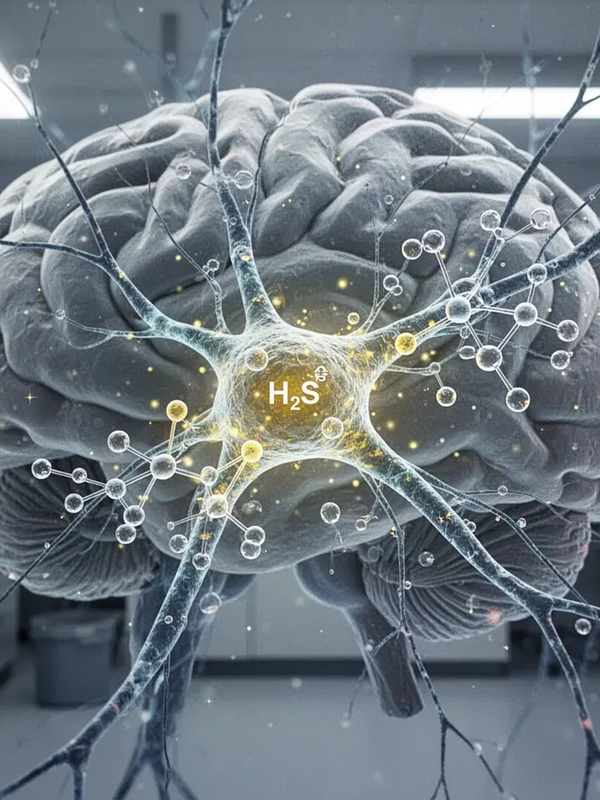
Analysis of the Article 1. Core Topic: The article ⁣discusses a newly identified link ⁣between the enzyme Cystathionin-γ-Lyase (CSE), ⁤the production of hydrogen sulfide ‍(H2S), and the prevention of neurodegeneration, specifically relating to memory loss and potentially Alzheimer’s disease. It highlights research‍ showing that⁢ a ⁢deficiency⁢ in CSE ⁤leads to cognitive ‍decline and outlines potential … Read more

Why Do We Procrastinate? Scientists Find Brain-Based Explanation

Analysis of Source Material 1. Core Topic: The article discusses a recent study on the neural‍ mechanisms behind motivation and avoidance of ⁢unpleasant tasks. It focuses on a “motivation brake” identified in the brains of macaque monkeys that seems to inhibit action when a task is perceived as perhaps negative, even if⁤ the reward is … Read more