Taiwan Bolsters Defenses with Advanced Counter-Drone Technology
Taiwan is actively strengthening its defenses against the growing threat of unmanned aerial vehicles (UVA), commonly known as drones. This push includes a plan to acquire complex “takeover” technology designed to neutralize drone incursions, sparking debate about its implementation and overall security strategy. Understanding these developments is crucial as drone technology rapidly evolves and presents new challenges to national security.
The Rising Drone Threat
Recently, Taiwan’s homeland security office held a briefing for potential suppliers outlining requirements for a new counter-drone system. This system aims to protect critical infrastructure - including airports and power plants – from increasingly prevalent small commercial drones. It represents a separate initiative from the military’s existing drone defense programs,focusing on civilian infrastructure protection.
Key Capabilities of the New System
The proposed system isn’t just about detection; it’s about control. It requires a multi-faceted approach,incorporating:
* Electromagnetic jamming to disrupt drone signals.
* Spoofing techniques to mislead drone navigation.
* A “takeover” function utilizing hacking methods to seize control of an invading drone and safely land it.
This proactive approach signifies a shift towards actively mitigating drone threats rather than simply reacting to them.
Focus on DJI Technology
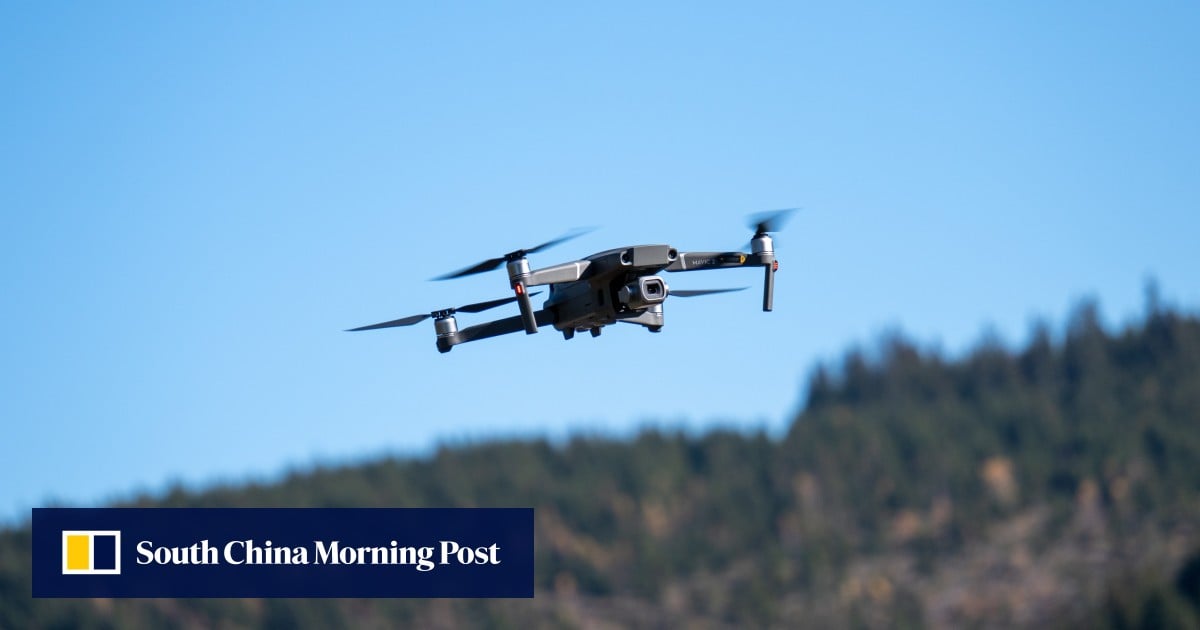
Slides presented by the National Chung-Shan Institute of Science and Technology (NCSIST), Taiwan’s leading weapons developer, revealed a specific technical requirement. Equipment “must possess decoding functions” for OcuSync versions 2, 3, 4, and 4+ – the transmission system used by DJI, a dominant player in the commercial drone market.
This specification has raised questions. Some experts are concerned that the government is potentially tailoring its requirements to a single brand. Others question the feasibility of reliably decoding DJI’s encrypted communication links.
Is Targeting DJI a Strategic Move?
The focus on DJI technology is understandable given the company’s market share. However,it also presents potential challenges. Successfully decoding encrypted systems is a complex undertaking, and relying heavily on a single manufacturer could create vulnerabilities.
You might be wondering about the implications of this strategy. Here’s what you need to consider:
* Technological Hurdles: Breaking encryption is notoriously difficult and requires significant resources.
* Adaptability: Drone technology is constantly evolving, so a system tailored to current DJI technology may become obsolete quickly.
* Vendor Lock-in: Over-reliance on a single vendor could limit future flexibility and innovation.
Broader Implications for Drone Security
taiwan’s investment in counter-drone technology reflects a global trend. As drones become more accessible and sophisticated, governments and security agencies worldwide are grappling with how to address the risks they pose.
This includes concerns about:
* Espionage: Drones can be used for surveillance and data collection.
* Sabotage: Drones can carry payloads capable of disrupting critical infrastructure.
* Smuggling: Drones can be used to transport illicit goods.
Looking Ahead
Taiwan’s approach to counter-drone defense is evolving. The island is clearly committed to protecting its critical infrastructure from this emerging threat. Though,the success of this strategy will depend on overcoming technical challenges,maintaining adaptability,and avoiding over-reliance on any single technology or vendor.
Ultimately, a robust counter-drone strategy requires a layered approach that combines technology, policy, and international cooperation. It’s a complex undertaking, but one that is essential for ensuring Taiwan’s security in the 21st century.
- Colorado River Drought Forces Water Cuts in Arizona, California, and Nevada
- Seattle Police Chief Barnes Resigns Amid Scrutiny and Mayor’s Search for Successor
- DG ISPR: Good Governance Critical for Pakistan’s Security and Stability (time.news)
- Spanish Government Strengthens Security Forces in Ceuta (newsdirectory3.com)