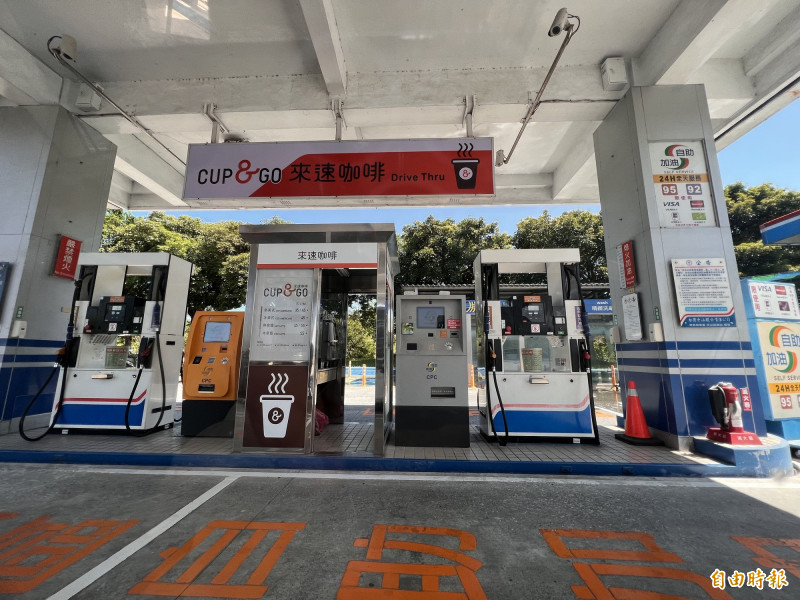
Sofia, Bulgaria – Taiwanese consumers are bracing for increased fuel costs as CPC Corporation, Taiwan’s state-owned oil refiner, announced adjustments to gasoline and diesel prices effective Monday, March 9, 2026. While CPC initially absorbed rising international oil prices, a price hike of NT$1.5 per liter for gasoline is now unavoidable, according to recent reports. This follows a period of relative stability, and the increase is likely to impact transportation costs and overall consumer spending across the island nation.
The decision comes amidst a backdrop of global oil market volatility, driven by geopolitical factors and fluctuating demand. Taiwan, heavily reliant on imported oil, is particularly vulnerable to these external pressures. The government had previously implemented measures to mitigate the impact of rising international prices, including adjustments to commodity taxes, aiming to keep domestic fuel costs manageable. However, the sustained upward trend in global oil prices has necessitated the price adjustment, despite the government’s efforts to absorb some of the increases.
Government Intervention and Price Stabilization Efforts
The Ministry of Economic Affairs (MOEA) had been actively working to stabilize domestic oil prices in response to the surge in international oil markets. According to a statement released by the MOEA, adjustments were made to commodity taxes to offset some of the rising costs. This intervention resulted in a smaller overall price increase for consumers than would have otherwise been the case. The MOEA reported that the overall domestic gasoline and diesel price adjustment for the week was approximately 5%, demonstrating the effectiveness of the government’s stabilization measures, even as the latest increase takes effect. The MOEA’s announcement detailed these efforts and the rationale behind the current adjustments.
Initially, CPC Corporation had announced a larger price increase for the coming week – a NT$3.0 per liter rise for gasoline and NT$1.1 per liter for diesel – but the government’s intervention has partially offset this, resulting in the final adjustment of NT$1.5 for gasoline and NT$1.1 for diesel. This “breaking news” announcement, as described by ETtoday財經雲, was unusual in its proactive disclosure, signaling the urgency of the situation.
Consumer Response and Potential Impacts
The anticipated price hike has already led to increased activity at gas stations across Taiwan, with consumers rushing to fill their tanks before the new prices take effect. United News Network reported scenes of long queues at numerous fueling stations as drivers sought to take advantage of the lower prices. This surge in demand highlights the sensitivity of Taiwanese consumers to fuel costs.
The increase in gasoline prices is expected to have a ripple effect throughout the economy. Transportation costs for businesses will likely rise, potentially leading to higher prices for goods and services. Consumers may also reduce discretionary spending as a larger portion of their income is allocated to fuel. The impact will be particularly felt by industries heavily reliant on transportation, such as logistics, agriculture, and tourism. The overall economic consequences will depend on the duration and magnitude of the price increases, as well as the government’s ability to implement further mitigating measures.
Impact on Different Sectors
- Transportation: Increased operating costs for taxis, buses, and trucking companies.
- Logistics: Higher delivery fees and potential supply chain disruptions.
- Agriculture: Increased costs for farmers transporting produce to market.
- Tourism: Potential decrease in domestic travel due to higher transportation expenses.
- Consumers: Reduced disposable income and potential changes in spending habits.
Global Factors Influencing Taiwan’s Oil Prices
Taiwan’s vulnerability to fluctuations in global oil prices stems from its near-total reliance on imports. The island nation lacks significant domestic oil production and is therefore subject to the dynamics of the international market. Several factors are currently contributing to the upward pressure on oil prices, including geopolitical tensions in key oil-producing regions, increased demand from major economies, and supply constraints. The ongoing conflicts and political instability in the Middle East, in particular, are a major source of concern for oil markets.
The Organization of the Petroleum Exporting Countries (OPEC) and its allies, known as OPEC+, play a significant role in regulating global oil supply. Decisions made by OPEC+ regarding production levels can have a substantial impact on prices. Economic growth in countries like China and India is driving increased demand for oil, putting additional strain on supply. These global factors, combined with Taiwan’s import dependence, create a challenging environment for maintaining stable domestic fuel prices.
Looking Ahead
The situation remains fluid, and further price adjustments are possible depending on developments in the global oil market. CPC Corporation will continue to monitor international prices and adjust domestic prices accordingly. The Taiwanese government is expected to explore additional measures to mitigate the impact on consumers and businesses, potentially including further adjustments to commodity taxes or targeted subsidies. The next scheduled review of fuel prices is anticipated in the coming weeks, and consumers are advised to stay informed about any further changes. 自由財經 initially reported the urgency of the situation, highlighting the potential for further volatility.
The current situation underscores the importance of diversifying Taiwan’s energy sources and reducing its reliance on imported oil. Investments in renewable energy technologies, such as solar and wind power, are crucial for enhancing energy security and mitigating the impact of future oil price shocks. The government is actively promoting the development of renewable energy sources as part of its long-term energy strategy.
As consumers adjust to the new prices, it is important to monitor spending habits and explore options for reducing fuel consumption. Utilizing public transportation, carpooling, and adopting fuel-efficient driving practices can all help to minimize the financial impact of the price increase. Staying informed about government policies and industry developments will also be essential for navigating the evolving energy landscape.
Key Takeaways:
- Gasoline prices in Taiwan will increase by NT$1.5 per liter starting March 9, 2026.
- The government intervened to partially offset a larger initial price hike through adjustments to commodity taxes.
- Global oil market volatility, driven by geopolitical factors and increased demand, is the primary cause of the price increase.
- Consumers are already responding by filling up their tanks before the new prices take effect.
- The price increase is expected to have a ripple effect throughout the Taiwanese economy.
The next update on fuel prices is expected in the coming weeks, and consumers are encouraged to monitor official announcements from CPC Corporation and the MOEA for the latest information. Share your thoughts and experiences in the comments below.
Worth a look