
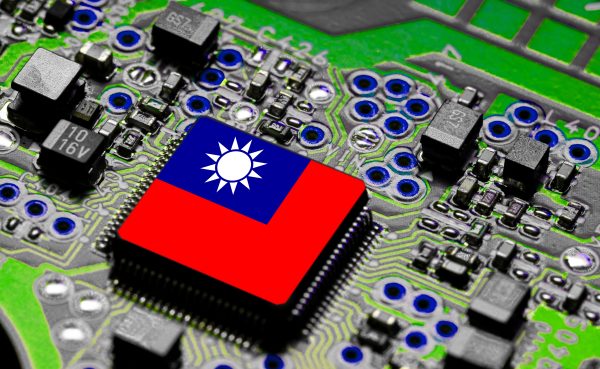
Malaysia’s Forced Labor Ban & The Opportunity for Taiwan’s Electronics Sector to Lead Ethical Sourcing
A landmark agreement between the United States and malaysia to address forced labor in supply chains is poised to reshape trade dynamics, especially for Taiwan’s crucial electronics sector. While Malaysia prepares to enact a ban on imports produced with forced labor – a process taking years – the agreement presents both challenges and a significant opportunity for Taiwanese companies to proactively strengthen their ethical sourcing practices and solidify their position as industry leaders. This analysis delves into the implications of the ban, potential Malaysian enforcement strategies, and how Taiwan’s electronics industry can leverage this moment to drive meaningful, systemic change.
The Looming Ban & malaysian Implementation Challenges
The impending Malaysian import ban stems from growing international pressure to combat forced labor, particularly within sectors reliant on migrant workers. the agreement with the U.S. signifies a commitment to addressing these issues, but its implementation is not without hurdles. Inside Malaysia, concerns are already surfacing regarding potential infringements on national sovereignty due to the U.S.’s advisory role in enforcement. furthermore, proposed legislation leaning towards a non-discrimination framework – applying to all imports - could inadvertently create new trade barriers for Malaysia’s partners.
malaysia is highly likely to adopt a complaint-based enforcement mechanism, mirroring successful models like mexico’s, allowing citizens, businesses, and civil society organizations to submit evidence of forced labor practices for investigation. This approach, coupled with existing collaborations between Malaysian and Taiwanese labor rights groups, will likely foster increased scrutiny and clarity. Though, the effectiveness of this system hinges on robust investigation capabilities and a commitment to impartial enforcement.
A Catalyst for Change: Taiwan’s Electronics Sector Responds
Rather than viewing the Malaysian ban as a threat, Taiwanese electronics companies should recognize it as a catalyst for long-overdue improvements in their migrant labor practices. The ban compels a proactive approach, moving beyond reactive compliance to a position of ethical leadership.
one immediate and impactful step is the elimination of recruitment fees charged to migrant workers. This practice, widely condemned by organizations like the Responsible Business Alliance and Taiwanese migrant worker groups, is a significant driver of debt bondage and vulnerability to exploitation. Companies like Acer and Delta Electronics have already begun to abolish these fees, demonstrating the feasibility of this change. However, widespread adoption is crucial, and currently hampered by a lack of transparency and complete industry-wide data. Over the next two years, a concerted effort to transparently implement this policy across the sector is essential.
Addressing the Root Causes: Beyond Eliminating Recruitment Fees
While eliminating recruitment fees is a vital first step, it addresses a symptom rather than the underlying systemic issues. Taiwan’s restrictive immigration system, which ties a migrant worker’s visa to a single employer, creates a power imbalance that fuels forced labor. This system inherently increases risk for both employers and workers: employers fear workers leaving or being unqualified, while workers are vulnerable to exploitation due to their limited options. The resulting “market-based solution” - recruitment fees - perpetuates a cycle of exploitation driven by economic inequalities in sending countries.
A Path Forward: decoupling Visas from Employment
The most impactful reform Taiwan can undertake is to decouple migrant worker visas from specific employers.This would empower workers to leave exploitative situations and freely seek better opportunities within the labor market. Together, it would force employers to compete for talent, improving working conditions and wages.
Given its economic influence, Taiwan’s electronics sector is uniquely positioned to champion this reform. The impending Malaysian ban provides a powerful justification for these changes, demonstrating the need to proactively address vulnerabilities in the supply chain.
Seizing the Opportunity: From Risk to Leadership
Malaysia’s forced labor import ban presents a clear risk to Taiwanese electronics firms reliant on Malaysian suppliers. However, it also represents a pivotal opportunity. By embracing ethical sourcing practices, prioritizing worker welfare, and advocating for systemic reforms to Taiwan’s immigration system, the sector can:
* Mitigate Supply Chain Disruptions: Proactive compliance will ensure continued access to the Malaysian market.
* Enhance Brand Reputation: Demonstrating a commitment to ethical labor practices will resonate with consumers and investors.
* Attract and Retain Talent: A reputation for ethical conduct will attract skilled workers.
* Drive Industry-Wide Change: leadership from the electronics sector can inspire broader adoption of responsible practices.
The path to reform is not without its challenges. Though, the urgency created by the Malaysian ban demands immediate action. Taiwan’s electronics industry has the potential to transform this potential risk into a defining moment of leadership, establishing a new standard for ethical sourcing and responsible business practices in the global electronics supply chain.
Resources:
* [Mexico’s Forced Labor Import denunciation Mechanism](https://www.gob.mx/se/prensa/gobierno-de


