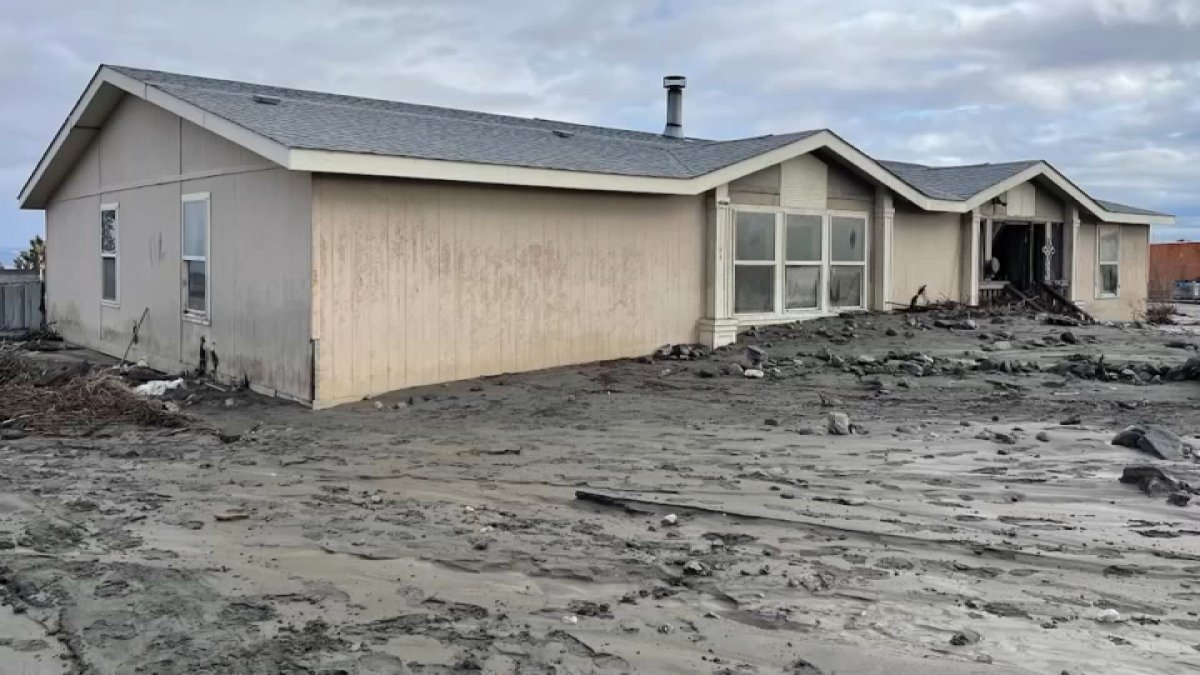
Lytle Creek and San Bernardino Mountain Communities Face Ongoing Recovery After Devastating Storms
The communities nestled in the San Bernardino Mountains, notably Lytle Creek, are grappling with the aftermath of severe winter storms that unleashed damaging floods and mudslides just after Christmas.While initial cleanup is underway, residents are bracing for further rainfall, adding to the anxiety and hardship. This article provides a comprehensive update on the situation, available resources, and what you can do to help.
The Storm’s Impact: A Community Under strain
The atmospheric river that swept through Southern California on Christmas Eve and Christmas Day dumped an astounding 11.31 inches of rain on lytle Creek alone. This deluge triggered widespread mudslides, isolating communities and causing significant damage to homes and infrastructure.
The impact is deeply personal. Residents like Robert Cardenas found themselves trapped, with a washed-out bridge initially preventing evacuation. Others, like Marja Kay, are facing the heartbreaking reality of being unable to move into newly purchased homes due to storm damage.
The devastation extends beyond Lytle Creek. Neighboring communities like Piñon Hills and Wrightwood also experienced severe flooding, prompting door-to-door welfare checks by San Bernardino County officials. The emotional toll is immense, as illustrated by Larissa Jackson’s story - learning her family home was lost while being unable to reach her father.
Current recovery Efforts & Challenges
Crews are working tirelessly to clear mud and debris, restoring access and beginning the long process of rebuilding. Though, several challenges remain:
* Ongoing rainfall: The forecast predicts more rain, threatening to exacerbate existing damage and hinder recovery efforts.
* Infrastructure Damage: Roads, bridges, and utilities have been compromised, impacting access to essential services.
* Housing crisis: The loss of homes has created an immediate housing crisis for displaced residents.
* Emotional Trauma: The psychological impact of the disaster on individuals and families is significant and requires attention.
San Bernardino County is actively providing resources, but the scale of the damage means recovery will be a lengthy and complex undertaking.
How You Can Help: Supporting Affected communities
The resilience of these mountain communities is remarkable,but they need support. here’s how you can contribute:
* Donate to Reputable Organizations: Several organizations are providing aid to affected residents. Consider donating to:
* San Bernardino County Sheriff’s employee Benefit Association (SEBA): https://www.seba.sbcounty.gov/
* American Red Cross: https://www.redcross.org/
* Local Food Banks: Support food banks serving the San Bernardino Mountain region.
* Volunteer Your Time: Many volunteer groups are coordinating cleanup efforts. Check with local organizations for opportunities.
* Spread Awareness: Share data about the situation and available resources on social media.
* Support Local Businesses: Once businesses are able to reopen, patronizing them will help revitalize the local economy.
Accessing Resources: A Guide for Residents
If you or someone you know has been affected by the storms, here are key resources available from San Bernardino County:
* San Bernardino County Recovery Resources: https://prepare.sbcounty.gov/recoveryresources/ – This is your central hub for information on assistance programs, shelter locations, and disaster relief services.
* 2-1-1 San Bernardino County: Dial 2-1-1 for information and referrals to health and human service programs.
* San Bernardino County Fire Department: For emergency assistance, contact the Fire Department.
* American Red Cross: Provides shelter,food,and emotional support.
Understanding Flood Risk & Preparing for Future Storms
This event underscores the importance of understanding flood risk and preparing for future storms. Here are some proactive steps you can take:
* know Your Flood Zone: Determine if your property is located in a flood-prone area. You can use the FEMA Flood Map Service center: https://msc.fema.gov/portal/home
* Purchase Flood Insurance: Standard homeowner’s insurance typically doesn’t cover flood damage.
* Create an Emergency Plan: Develop a family emergency plan that includes evacuation routes, communication strategies, and a
Keep reading