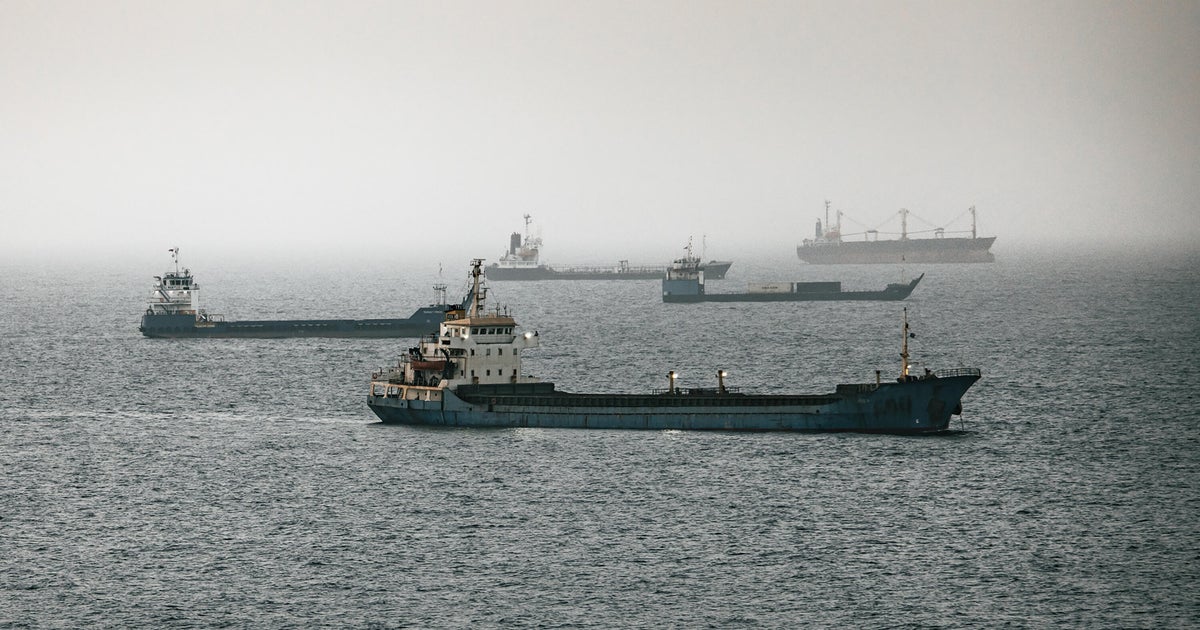
The United States government has revoked a key license previously authorizing the sale of Iranian oil, a move that follows heightened regional tensions and a series of maritime security incidents in the Strait of Hormuz. This decision marks a significant shift in U.S. sanctions enforcement, effectively tightening the economic pressure on Tehran’s energy exports amid a broader collapse in diplomatic negotiations regarding the country’s nuclear program.
According to the U.S. Department of the Treasury, the revocation of specific authorizations for oil-related transactions is part of an ongoing strategy to curtail revenue streams utilized by the Iranian government. The decision arrives as international shipping authorities report increased risks to commercial vessels navigating the Strait of Hormuz, one of the world’s most critical oil transit chokepoints.
Maritime Security and Energy Markets
The security landscape in the Persian Gulf has deteriorated significantly, with reports indicating that several tankers have faced harassment or direct interference in the Strait of Hormuz. The U.S. Navy’s Fifth Fleet, which operates in the region, has documented multiple instances of Iranian naval forces attempting to seize or interfere with commercial shipping vessels. These incidents have forced major energy companies and insurers to reassess the risk profiles of their regional operations.

The revocation of the oil sale license directly impacts the ability of third-party intermediaries to facilitate transactions that were previously permitted under narrow, specific exemptions. Energy analysts note that while the global market has diversified its supply chains since the initial implementation of “maximum pressure” sanctions, the removal of these remaining exemptions sends a clear signal to global buyers that the U.S. intends to enforce a zero-tolerance policy regarding Iranian crude.
Diplomatic Stalemate and Sanctions Policy
Diplomatic efforts to revive the 2015 Joint Comprehensive Plan of Action (JCPOA) have remained effectively suspended for months. As reported by the U.S. Department of State, the U.S. government maintains that Iran’s regional behavior, including its maritime activities and support for regional proxies, is fundamentally incompatible with the relief provided under the original agreement. The Biden administration has prioritized the enforcement of existing sanctions over the pursuit of new diplomatic breakthroughs in the current climate.

For global markets, the primary concern remains the potential for further escalation. The Strait of Hormuz serves as a transit point for approximately 20% of the world’s total petroleum consumption, according to data from the U.S. Energy Information Administration. Any disruption to traffic in this area historically triggers immediate volatility in benchmark oil prices, including Brent Crude and West Texas Intermediate (WTI).
Impact on Global Shippers and Traders
The revocation of these licenses creates immediate compliance challenges for maritime insurers and financial institutions. Firms that previously relied on the license to process transactions or provide coverage for oil shipments must now unwind those arrangements to avoid potential secondary sanctions. The U.S. Treasury’s Office of Foreign Assets Control (OFAC) has issued updated guidance to stakeholders, emphasizing that the burden of verification rests with the financial institutions and shipping companies involved in the trade.
Industry experts suggest that this policy will likely lead to a further contraction in the “shadow fleet”—a collection of aging tankers used to bypass sanctions by masking the origin of Iranian oil. By closing the legal avenues for these sales, the U.S. hopes to increase the operating costs for entities attempting to move Iranian crude, thereby reducing the net profit reaching Tehran.
Next Steps in Regional Oversight
The U.S. government has indicated that it will continue to monitor maritime activities in the Middle East in coordination with international partners, including the International Maritime Security Construct (IMSC). The next formal review of regional sanctions policy is expected during the upcoming session of the UN General Assembly, where member states are slated to discuss maritime security protocols and the enforcement of international shipping laws.

As the situation develops, stakeholders are advised to monitor the OFAC sanctions list for any further modifications to prohibited transaction categories. We will continue to track these developments as they affect global energy prices and maritime security. Please share your insights in the comments below or join our newsletter for ongoing updates on global market policy.