World Bank Cancels Controversial Tanzania Conservation Project Amidst Allegations of harm to Communities
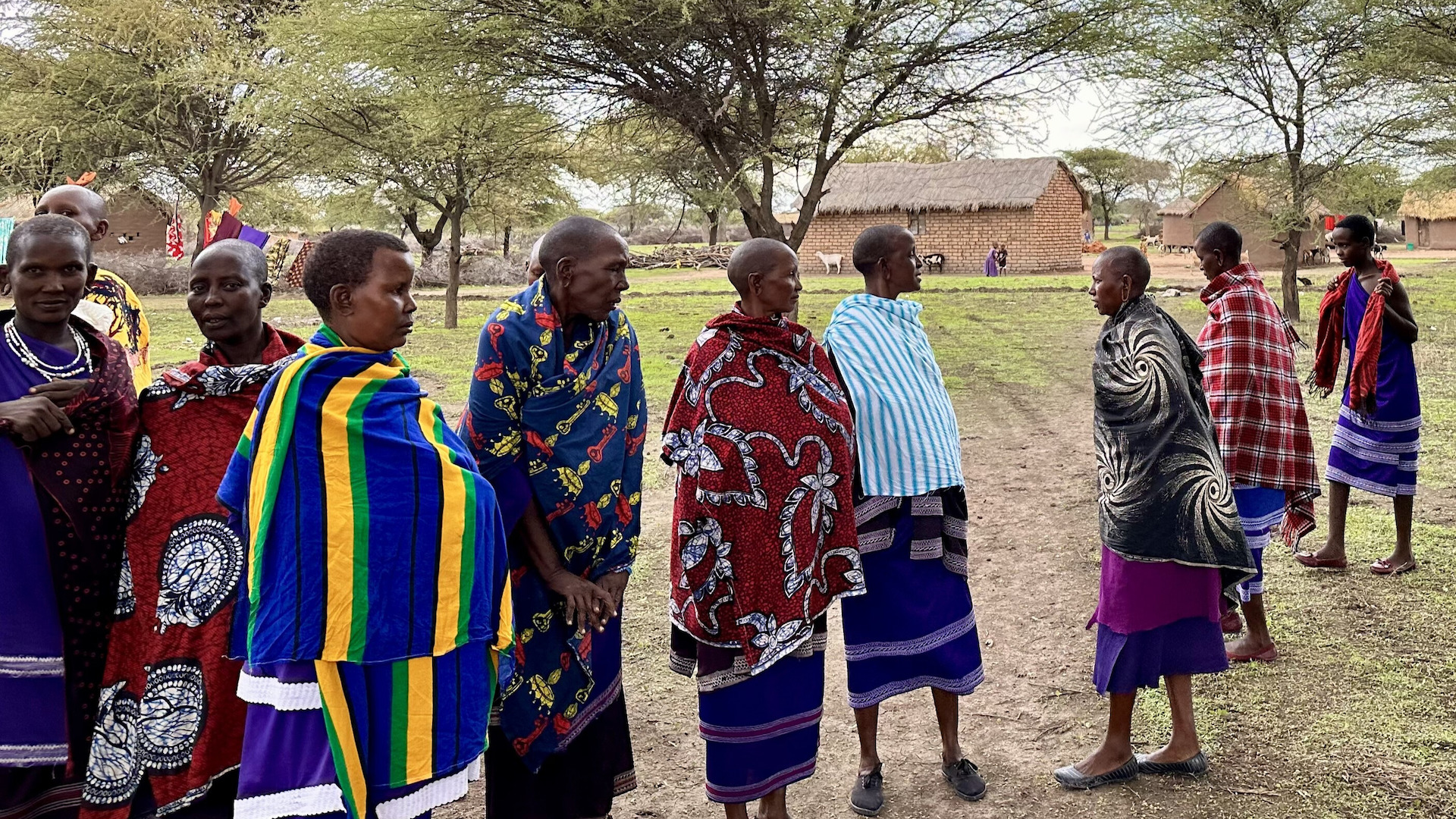
the World Bank has cancelled a $148 million conservation project in Tanzania,a move hailed as a victory by advocates for indigenous communities who allege notable harm caused by the initiative. The project, intended to improve the management of the Ruaha-Rungwa ecosystem, faced mounting criticism over forced evictions, restricted access to vital resources, and violence against local populations.This cancellation underscores a growing scrutiny of development projects and their impact on vulnerable communities.
A History of Concerns
For years, organizations like the Oakland Institute have documented concerns regarding the Southern Agricultural Growth Corridor of Tanzania (SAGCOT) project, which included the Ruaha-Rungwa component. These concerns centered on the displacement of indigenous pastoralists and the disruption of their traditional livelihoods.
In October 2023, a UN Special Rapporteur issued a strong statement, urging “all necessary interim measures be taken to prevent any irreparable harm to the life and personal integrity” of those affected. This followed reports of escalating tensions and abuses.
Project Termination & Funding details
The World Bank officially froze funding in October and, in November, published a “Restructuring Paper” confirming the project’s termination – originally slated for completion in February 2025. While nearly $124 million had already been disbursed, Anuradha Mittal, Executive Director of the Oakland Institute, points out that the cancellation prevents further funding beyond the project’s end date. This is a departure from the typical World Bank practice of extending funding through additional phases.
Unresolved Harm & Community Demands
Critically, the cancellation doesn’t address the damage already inflicted.Affected communities are demanding:
* Thorough compensation for livelihood restrictions.
* Remedy for violence experienced.
* Accountability for past abuses.
The World Bank has indicated it is “considering possible support” to communities around ruaha to address potential livelihood challenges. However, advocates argue this falls short of addressing the root causes of the harm and providing adequate redress.
(Image: A secondary school closed in Luhanga. Image: Andy Currier)
A Pattern of Neglect?
This isn’t an isolated incident. Tanzania has a history of friction between the government and indigenous pastoralists, with the state favoring permanent settlement over traditional nomadic lifestyles.
In 2016, the ICIJ reported on another World Bank-funded agribusiness project in Tanzania that received a waiver from policies designed to protect indigenous rights. This waiver allowed the project to proceed despite the risk of evictions, prompting criticism from the U.S. government, which highlighted the lack of proper public consultation.
Why This Matters to You
This situation highlights the critical need for robust safeguards in development projects. You, as a concerned citizen, should understand that:
* Development isn’t always progress: Projects can have unintended negative consequences for local communities.
* Indigenous rights are paramount: Protecting the rights and livelihoods of indigenous populations is essential for sustainable development.
* Clarity and accountability are key: Openness and accountability from institutions like the World Bank are vital to ensure projects benefit, rather than harm, those they are intended to serve.
Further Resources:
* Oakland Institute Statement
This cancellation represents a significant, though incomplete, victory for the affected communities. The focus now shifts to ensuring they receive the justice and support they deserve, and that future projects prioritize the rights and well-being of all stakeholders.
Related reading
- Israel Warns Iran: Diplomacy or Military Action
- Why Meta’s Smart Glasses Are Being Dubbed “Pervert Glasses
- Company Settles Anticompetitive Collusion and False Statement Claims in School Bus Transport (world-today-news.com)
- Dubai Metro Blue Line Project Achieves First Major Tunneling Milestone (archyworldys.com)