TanzaniaS Election Crisis: Repression, Disappearances, and a Troubled Democratic Future
Recent developments in Tanzania paint a deeply concerning picture of a nation sliding further away from democratic principles. Following the October 25th presidential election, a wave of arrests, accusations of widespread electoral fraud, and credible reports of violence have surfaced, raising serious questions about the future of political freedom in the East African nation. This article will delve into the unfolding crisis, examining the key players, the allegations of misconduct, and the international response.
A Disputed Victory & Escalating crackdown
President Samia Suluhu Hassan secured a landslide victory, officially winning over 97% of the vote.However,the election was marred by irregularities and a climate of fear,prompting widespread condemnation from both domestic and international observers. the results are viewed wiht skepticism given the pre-election suppression of opposition figures and the documented issues during the voting process.
In the wake of the election, authorities have initiated a broad crackdown on dissent. Numerous charge sheets, made public this past weekend, reveal a concerted effort to silence opposition voices.
* Key Opposition Figures Targeted: Arrest warrants have been issued for prominent chadema (Tanzania’s leading opposition party) officials, including communications director Brenda Rupia and Secretary-General John Mnyika.
* Influential Preacher silenced: Josephat gwajima, a popular preacher whose church was deregistered earlier this year for criticizing the government, is also a wanted suspect.
* Jailed Opposition Leader: Tundu Lissu, Chadema‘s leader, remains imprisoned and faces treason charges stemming from his calls for electoral reform.
Alarming Reports of Violence and Human Rights Abuses
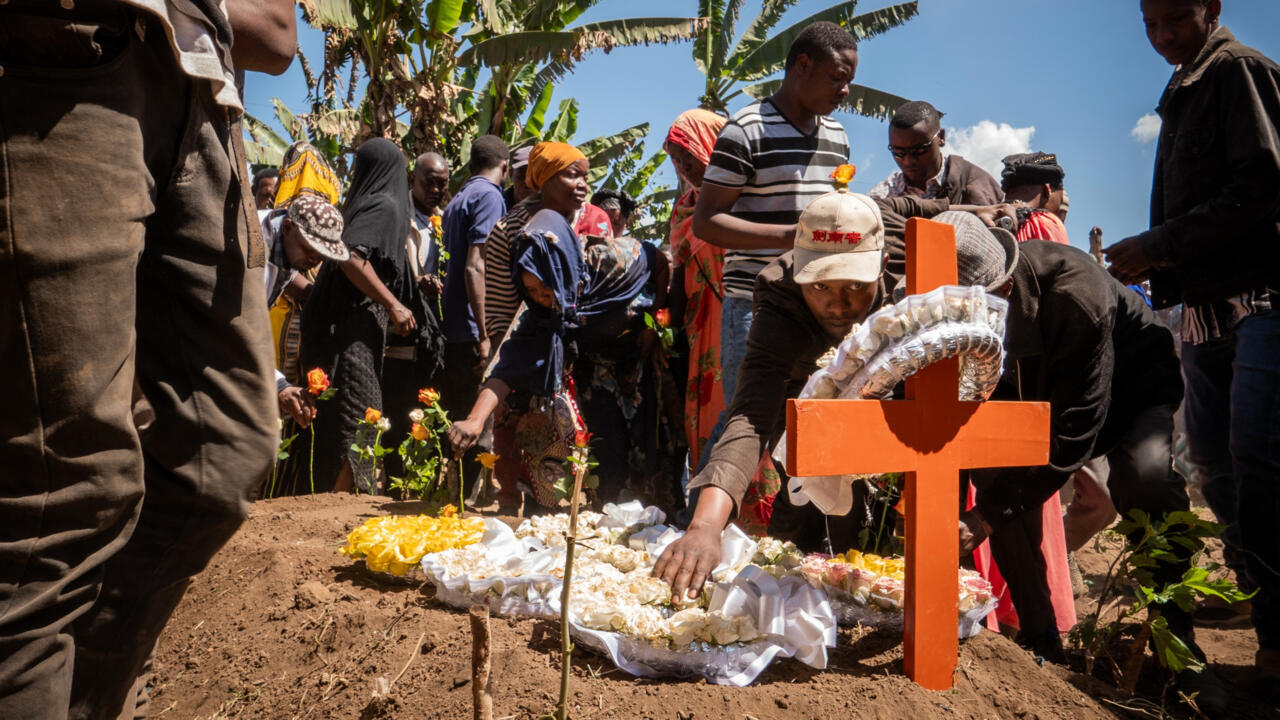
The period surrounding the election was tragically marked by violence,with security forces attempting to quell both pre- and post-election protests. The true extent of the bloodshed remains shrouded in secrecy, hampered by an ongoing internet blackout and restrictions on media access.
* Conflicting Death Tolls: While the Catholic Church in Tanzania estimates hundreds were killed, the Kenya Human Rights Commission (KHRC) alleges a staggering figure of 3,000 deaths, with thousands more missing.
* Evidence of Targeted Killings: The KHRC asserts that pictorial evidence indicates many victims suffered gunshot wounds to the head and chest, suggesting deliberate targeting rather than crowd control measures.
* Widespread Abuses: Reports from amnesty international and other organizations detail a pattern of enforced disappearances, arbitrary arrests, and extrajudicial killings in the led-up to the election. The Tanzanian government vehemently denies these allegations.
International Condemnation & Concerns Over Democratic Backsliding
The international community has expressed growing concern over the situation in Tanzania. the African Union (AU) observer mission delivered a damning assessment, concluding that the election “did not comply with AU principles…for democratic elections.”
* AU Findings: Observers reported instances of ballot stuffing and voters receiving multiple ballots. They also noted that the overall environment was “not conducive to peaceful conduct and acceptance of electoral outcomes.”
* A Shift in Leadership Style: Critics argue that President Hassan has adopted a more authoritarian approach compared to her predecessors, who, while maintaining control, generally tolerated a degree of opposition. This represents a worrying departure from the limited democratic progress Tanzania has experienced since the introduction of multi-party politics in 1992.
A Legacy of Single-party Rule & External Influences
Tanzania has been dominated by the Chama cha Mapinduzi party since it’s independence from Britain in 1961. This long-standing rule, coupled with reported ties to the Communist Party of China, raises questions about the nation’s political trajectory.
The current crackdown appears to be consolidating power and stifling any potential challenges to the ruling party’s dominance. This is particularly concerning given the rise of pro-democracy movements across the region.
Looking Ahead: A Critical Juncture for Tanzania
The situation in Tanzania demands urgent attention. The suppression of dissent, the credible allegations of violence, and the flawed electoral process represent a meaningful setback for democratic governance in the country.
Moving forward,several key steps are crucial:
* Independent Inquiry: A thorough and independent investigation into the allegations of violence and human rights abuses is paramount.
* Release of Political Prisoners: The immediate release of arbitrarily detained opposition figures is essential.
* Restoration of Freedoms: The government must restore internet access, allow freedom of the press, and guarantee the rights
Related reading