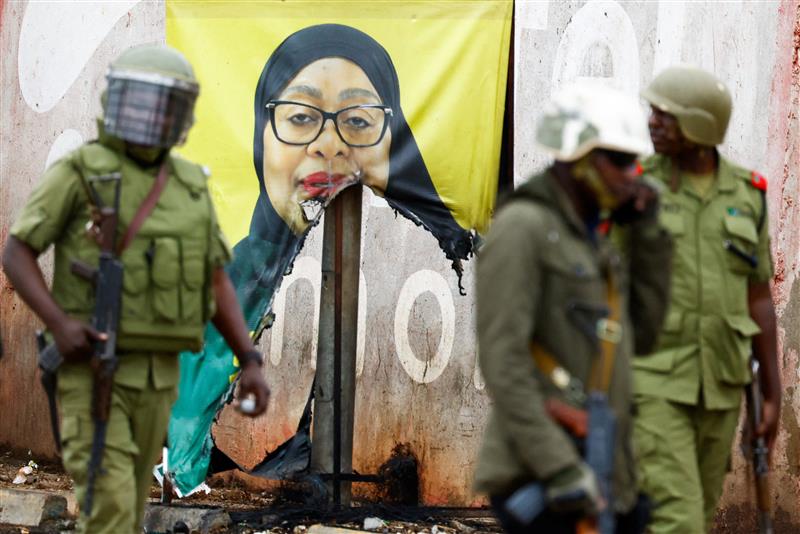
Following the 29 October 2025 general elections in Tanzania, concerns over human rights violations have intensified as the government faces mounting pressure to release a critical investigation report. The Commission of Inquiry, established to examine deaths and injuries linked to post-election unrest, completed its work and submitted findings to President Samia Suluhu Hassan. However, the report remains unpublished, prompting international scrutiny and calls for transparency from human rights organizations.
Amnesty International has been vocal in demanding the release of the document, emphasizing that public access is essential for accountability and justice. The organization’s Deputy Regional Director for East and Southern Africa, Flavia Mwangovya, stated that victims’ families and the public must be able to review the report to understand the scope of investigations, procedures followed, findings, and the factual and legal basis for those conclusions. She warned that withholding the report undermines transparency and compounds the injustice suffered by families of those killed.
The Commission’s findings indicate that at least 518 people died from unnatural causes during and after the electoral period, including victims of gunshot injuries. According to Amnesty International, these deaths occurred at the hands of state security forces. Mwangovya urged authorities to launch independent, transparent, and effective investigations into these fatalities and ensure those responsible are held accountable. She also called for full disclosure of the circumstances surrounding each death or injury and identification of individuals who ordered, enabled, or committed the alleged violations.
Any restrictions on the report’s release, Mwangovya added, must be strictly necessary and proportionate—such as redacting sensitive personal information to protect privacy and safety—and must never serve to shield perpetrators from accountability. She stressed that no limitation on transparency should result in impunity for those responsible for the violence.
Background details reveal a pattern of excessive force used by Tanzanian security personnel following the polls. Reports indicate that live ammunition and tear gas were deployed directly at protesters and others who posed no imminent threat of death or serious injury. During a nationwide internet and electricity blackout, security forces reportedly beat individuals, denied medical care to the wounded, arrested those still requiring treatment, and removed bodies from mortuaries. In response to the escalating crisis, President Suluhu announced the formation of the Commission of Inquiry on 14 November 2025.
The refusal to release the report has been described by advocates as a continuation of a troubling trend in Tanzania, where officially commissioned inquiries rarely result in public disclosure, thereby fostering an environment of impunity. Mwangovya characterized the president’s stance as disappointing and called for immediate action to break this cycle.
As of April 2026, no official date has been set for the report’s publication. Observers note that the delay raises questions about the government’s commitment to addressing past abuses and preventing future violations. Human rights groups continue to monitor the situation closely, urging both domestic and international stakeholders to press for full transparency.
The core issue remains clear: without access to the Commission’s findings, victims’ families cannot seek closure, and the public cannot assess whether state actions were lawful or necessary. The path to accountability, experts agree, begins with making the truth public.
For ongoing updates, readers are encouraged to follow official statements from the Tanzanian Presidency and verified releases from international human rights monitors such as Amnesty International and the United Nations Human Rights Office.
If you found this information valuable, please consider sharing it to help raise awareness. Your voice contributes to the global demand for justice and transparency.
Related reading