For decades, the medical community has faced a sobering reality in nephrology: once kidney disease reaches an advanced stage, the options for intervention are tragically narrow. For millions of patients worldwide, the clinical path has historically been a slow progression toward dialysis or the grueling wait for a transplant. Although, a paradigm shift is underway. A new wave of targeted therapies—ranging from immunomodulators to genetically defined drugs—is creating what experts describe as a long-awaited pipeline for treating kidney disease.
This surge in innovation is not merely the result of new drug discoveries, but a fundamental shift in how regulatory bodies and researchers approach the disease. A critical turning point has been the increasing confidence in using proteinuria
—the presence of excess protein in the urine—as a surrogate endpoint. By using this marker to predict long-term outcomes, the U.S. Food and Drug Administration (FDA) and other regulators can accelerate the approval of drugs that show a clear ability to reduce kidney stress and slow the decline of organ function.
The impact of this shift is already visible in recent approvals. In 2025, the FDA approved pecetacoplan, a therapy that demonstrated a tangible ability to slow the decline of kidney function, signaling to the pharmaceutical industry that targeted kidney interventions are both viable and approvable according to reporting in Nature Medicine. This has opened the floodgates for a diverse array of experimental therapies that aim to treat the root causes of renal failure rather than just managing its symptoms.
Breaking the Stagnation: The Rise of Targeted Therapies
The “stagnation” of kidney disease treatment was largely due to the complexity of the organ’s biology. Unlike the heart or lungs, the kidney involves a delicate balance of filtration, endocrine function, and blood pressure regulation. Traditional treatments focused on systemic issues—such as controlling blood pressure or blood sugar—but lacked the precision to stop the actual destruction of the nephrons.
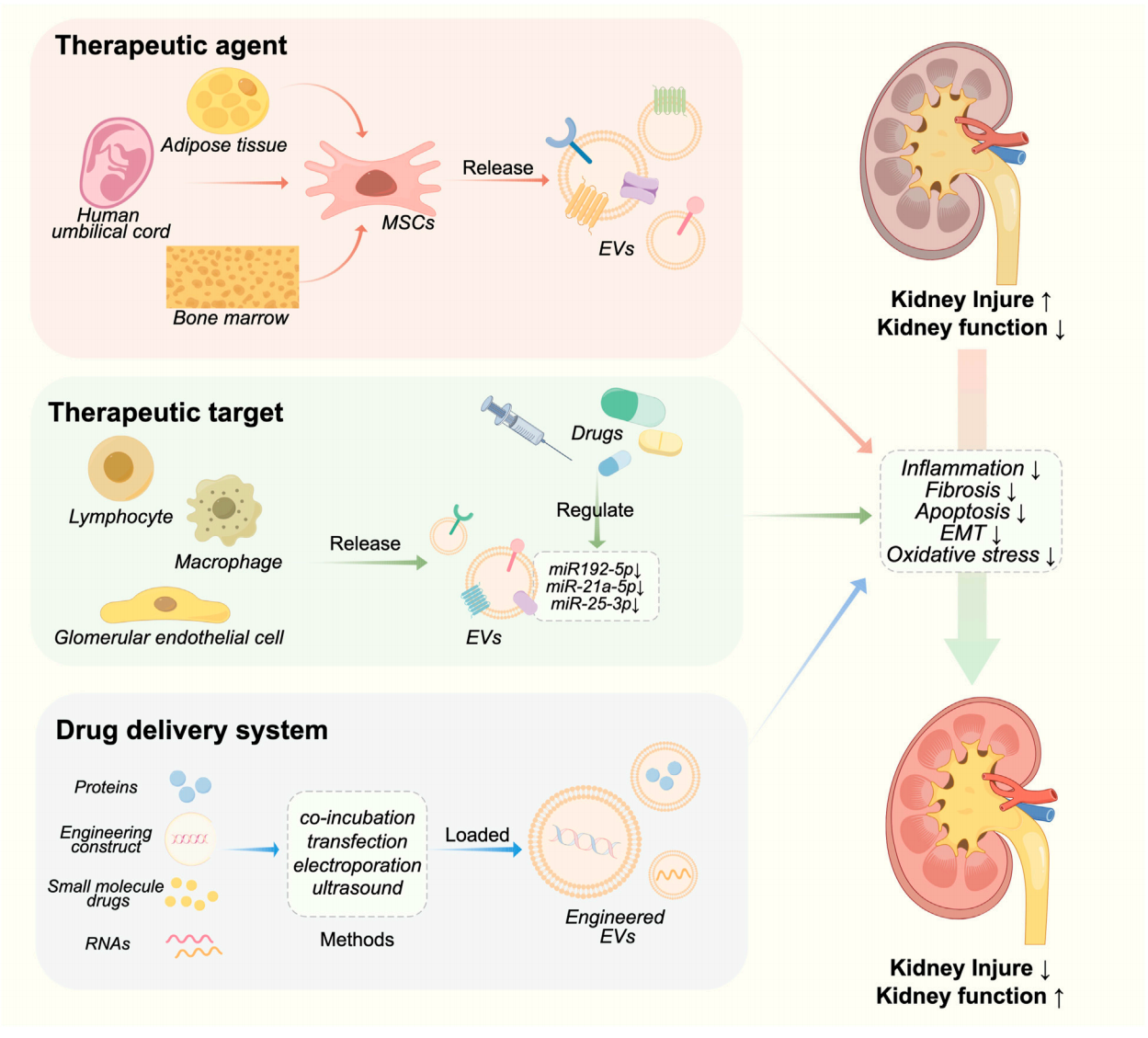
The current pipeline is shifting toward precision medicine. One of the most promising areas is the development of immunomodulators, which target the immune system’s role in damaging kidney tissue. This is particularly evident in the treatment of primary immunoglobulin A nephropathy (IgAN), a serious condition where abnormal antibodies build up in the kidneys, causing inflammation and scarring.
A significant milestone in this effort is the FDA’s accelerated approval of Voyxact
(sibeprenlimab-szsi). This monoclonal antibody is the first-in-class APRIL inhibitor approved to reduce proteinuria in adults with IgAN who are at risk for disease progression according to the U.S. Food and Drug Administration. By inhibiting the APRIL protein, the drug prevents the production of the pathogenic antibodies that drive the disease, offering a targeted approach that spares the rest of the immune system from the broad suppression associated with older steroids.
The Role of Genetically Defined Drugs
Beyond immunomodulation, the frontier of nephrology is moving toward genetically defined drugs. These therapies are designed for patients whose kidney disease is driven by specific genetic mutations. By identifying the exact protein or enzyme that is malfunctioning, researchers can develop “designer” molecules to correct the defect or bypass the genetic block.
This approach is transforming the prognosis for rare genetic kidney diseases that were previously considered untreatable. Although many of these therapies remain in clinical trial phases, the success of the first generation of targeted biologics has provided a blueprint for how these genetically tailored treatments can move from the lab to the bedside.
Addressing the Global Burden of Diabetic Kidney Disease
While rare diseases are seeing breakthroughs, the most widespread challenge remains diabetic kidney disease (DKD). As the leading cause of kidney failure worldwide, DKD is characterized by a complex interplay of metabolic stress and inflammation. For years, the standard of care relied heavily on ACE inhibitors and SGLT2 inhibitors, which, while effective, do not stop the disease in all patients.
The next generation of DKD therapeutics is focusing on maladaptive renal remodelling
—the process where the kidney’s structure changes in a way that destroys its function. New research is targeting the inflammatory pathways that accelerate this process, aiming to prevent the fibrosis (scarring) that eventually leads to end-stage renal disease as detailed in Nature Reviews Nephrology.
The integration of these new therapies into clinical practice means that patients may soon have a “cocktail” approach to kidney care: one drug to manage blood pressure, another to protect the filtration barrier, and a targeted biologic to stop the specific immune or genetic driver of their disease.
What This Means for Patients and Providers
The emergence of a robust drug pipeline changes the conversation between doctors and patients. In the past, the goal for advanced kidney disease was often delaying the inevitable
. Now, the objective is shifting toward disease modification
—actually altering the course of the illness to preserve organ function for decades longer than previously possible.
For patients, this means:
- Earlier Intervention: The use of proteinuria as a marker allows doctors to identify high-risk patients sooner and start targeted therapies before irreversible scarring occurs.
- Reduced Side Effects: Targeted biologics like sibeprenlimab are designed to be more precise than systemic immunosuppressants, potentially reducing the risk of severe infections and metabolic issues.
- Personalized Care: The rise of genetically defined drugs means that a patient’s specific DNA may soon dictate their treatment plan.
However, challenges remain. The cost of these specialized biologics is often high, and global access to these “pipeline” drugs remains uneven. Ensuring that these innovations reach patients in low- and middle-income countries is the next great hurdle for public health officials.
Key Takeaways for the Future of Nephrology
- Shift in Endpoints: The FDA’s acceptance of proteinuria as a surrogate endpoint is accelerating the speed of drug approvals.
- Precision Medicine: The move from broad systemic treatments to targeted immunomodulators (like APRIL inhibitors) is reducing kidney damage.
- Genetic Focus: A new class of genetically defined drugs is emerging to treat rare, hereditary forms of kidney failure.
- DKD Innovation: New therapies are targeting the inflammatory pathways and renal remodelling that drive diabetic kidney disease.
As we move through 2026, the focus now turns to the results of ongoing Phase III clinical trials for several other immunomodulators and the long-term efficacy data for the first wave of approved targeted therapies. The medical community is awaiting further updates on the long-term outcomes of patients treated with sibeprenlimab to determine if the reduction in proteinuria translates to a definitive decrease in the need for dialysis.
Do you or a loved one navigate the complexities of kidney disease? We invite you to share your experiences and questions in the comments below to support us continue our coverage of medical innovation.