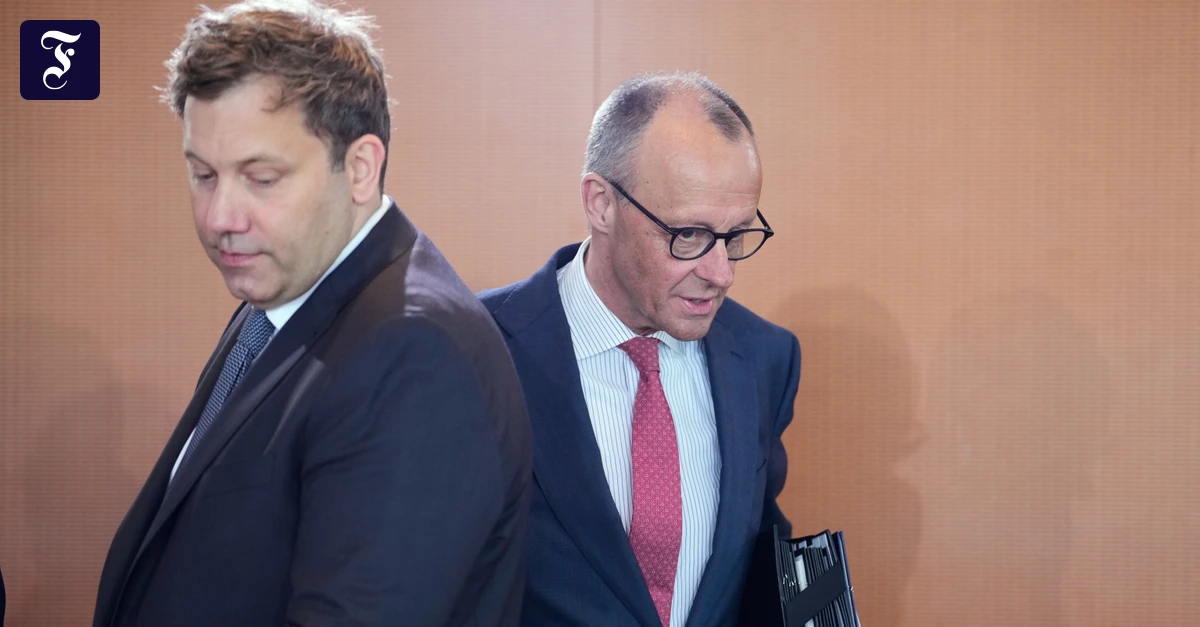
The German political landscape is currently navigating a critical juncture as the “Schwarz-Rot” (Black-Red) coalition, led by Chancellor Friedrich Merz, marks its first year in power. Formed after a period of political stalemate and an early general election in 2025, the partnership between the center-right Union (CDU/CSU) and the center-left Social Democrats (SPD) is facing a defining moment of tension over the nation’s economic trajectory and reform agenda.
As of May 2026, the coalition is grappling with the hard balance of maintaining fiscal discipline while delivering on promised structural reforms. The relationship between Chancellor Merz and his key partner, Finance Minister Lars Klingbeil of the SPD, has become the focal point for observers wondering if this grand coalition can survive the inherent ideological friction of its two halves.
The stakes are high. With a flagging economy and a public increasingly sensitive to the cost of living, the government is attempting to push through a series of reforms targeting pensions, healthcare, and bureaucracy. However, the coalition is currently haunted by a central contradiction: the need for aggressive growth-oriented reform versus the reality of a budget that many critics argue places too much financial burden on the citizenry.
The ‘Week of Truth’: Reform Deadlocks and Political Friction
Recent reports indicate that the coalition has entered what some are calling a “week of truth” regarding its reform plans. Tensions have reportedly spiked following disputes at the Villa Borsig, leading to a need for confidential discussions between Chancellor Merz and Finance Minister Klingbeil to prevent a total legislative freeze. The primary points of contention involve the 2027 budget and the implementation of healthcare reforms.
The friction is not merely procedural but philosophical. The CDU/CSU wing of the government is pushing for a “competitiveness” drive—reducing bureaucracy and cutting taxes to stimulate investment. Conversely, the SPD remains focused on social protections and ensuring that reforms do not disproportionately impact lower-income households. This ideological tug-of-war has led to accusations that the government’s reform policy is superficial, with critics suggesting it focuses more on extracting more money from citizens than on decisively cutting government expenditure.
Despite these cracks, both leaders have publicly defended the durability of the government. Finance Minister Lars Klingbeil has rejected speculation regarding a coalition collapse, emphasizing the need for compromise and the delivery of a coherent policy agenda to counter political polarization according to recent reporting on the coalition’s stability.
The Merz-Klingbeil Dynamic: A Fragile Partnership
The success of the current administration depends heavily on the personal and professional chemistry between Friedrich Merz and Lars Klingbeil. Merz, sworn in as Chancellor on May 6, 2025, has sought to project an image of stability and economic revitalization. His approach is rooted in the belief that Germany must undergo a “fundamental modernization” to remain a global industrial leader.
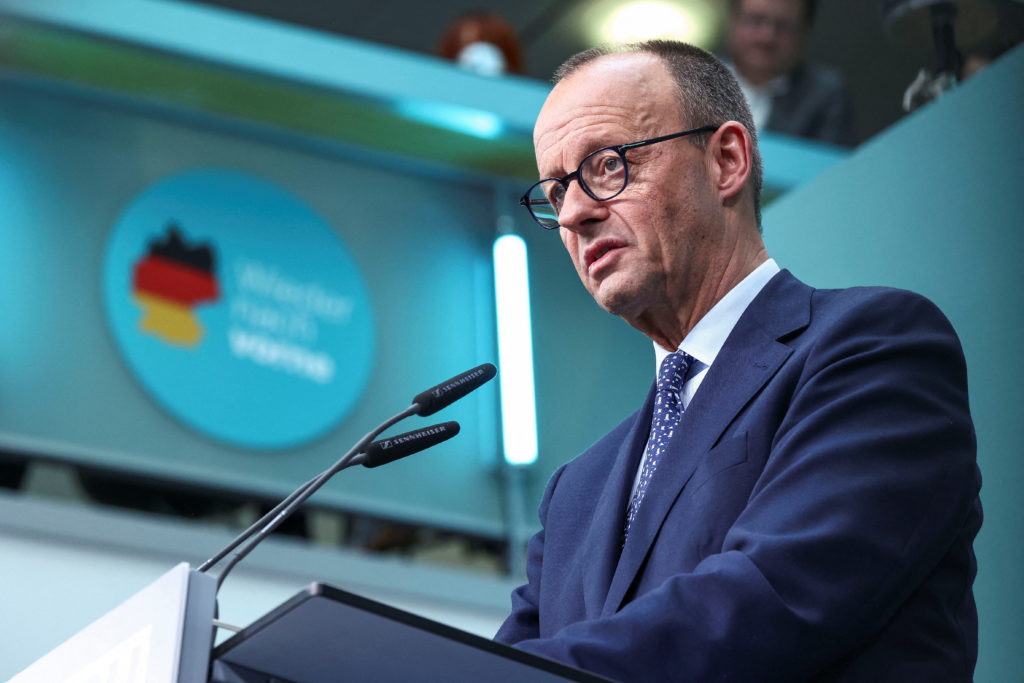
Lars Klingbeil, as Finance Minister, holds the purse strings and the loyalty of the SPD’s labor-focused base. While Klingbeil has signaled a willingness to find compromises on pensions and labor volumes to assist the Chancellor, the SPD is wary of being seen as a junior partner in a purely conservative project. This dynamic has created a government that often moves in fits and starts, alternating between moments of surprising consensus and public deadlock.
The volatility of this partnership was highlighted by Chancellor Merz’s own recent caution. When questioned about the coalition’s ability to survive until the conclude of its term, Merz noted that no one can guarantee
the coalition will hold, though he continued to tout the potential for healthcare reform and the 2027 budget deal as reported by Volk News.
Key Policy Battlegrounds for 2026
- Pension Reform: Finding a sustainable way to fund retirement without raising the retirement age to a level that alienates the SPD base or leaving a deficit that violates the CDU’s fiscal principles.
- Healthcare Modernization: Implementing structural changes to the insurance and provider systems to reduce costs and improve digital access.
- Bureaucracy Reduction: A core Merz priority aimed at removing “red tape” for small and medium-sized enterprises (SMEs) to spark innovation.
- The 2027 Budget: A high-stakes negotiation to balance necessary infrastructure investment with the “debt brake” (Schuldenbremse) constraints.
Economic Implications: Competitiveness vs. Social Stability
From a business perspective, the “Schwarz-Rot” government’s struggle is a microcosm of Germany’s larger economic dilemma. The country is facing a productivity slump and an aging workforce, making the “reform agenda” mentioned by Merz an existential necessity rather than a political choice. If the government fails to implement decisive changes, Germany risks further losing ground to the United States and China in the green-tech and AI sectors.
However, the social cost of these reforms is the primary driver of political instability. When the government proposes “efficiency gains” that translate to higher costs for citizens or reduced benefits, it feeds the narrative of a government that is out of touch with the average worker. This has led to a dip in polling for both the CDU and SPD, making the leaders more hesitant to take the “hard” paths toward reform.
The current strategy, as defended by Chancellery Minister Thorsten Frei and Finance Minister Klingbeil, is to frame these policies as essential for maintaining national competitiveness. They argue that short-term pain is necessary to avoid long-term economic decline, but the effectiveness of this messaging remains contested among the electorate.
Coalition Timeline and Milestones
| Date | Event | Outcome/Significance |
|---|---|---|
| May 6, 2025 | Inauguration of Chancellor Friedrich Merz | Ended six months of political stalemate following early elections. |
| Late 2025 | Initial Reform Package | First attempts at bureaucracy reduction and budget alignment. |
| March 2026 | Rhineland-Palatinate State Elections | CDU victory provided Merz with renewed political momentum. |
| April 2026 | Villa Borsig Disputes | Heightened tensions over healthcare and pension reforms. |
| May 2026 | The “Week of Truth” | Current efforts to finalize the 2027 budget and structural reforms. |
What Happens Next?
The immediate future of the German government hinges on the outcome of the current confidential talks between Merz and Klingbeil. The primary goal is to reach a binding agreement on the 2027 budget and a finalized roadmap for healthcare reform. Failure to reach a consensus in the coming days could embolden calls for snap elections, a prospect that neither party is eager to face given the current volatility of the polls.
The next confirmed checkpoint for the administration will be the formal presentation and vote on the 2027 budget framework in the Bundestag, which will serve as a litmus test for the coalition’s viability. If the budget passes without a major rebellion from the SPD’s left wing or the CDU’s fiscal hawks, it may provide the stability needed to tackle the more contentious pension reforms.
We invite our readers to share their perspectives on Germany’s economic trajectory in the comments below. Do you believe the “Schwarz-Rot” coalition is the right vehicle for Germany’s modernization, or is the ideological divide too wide to bridge?
Keep reading