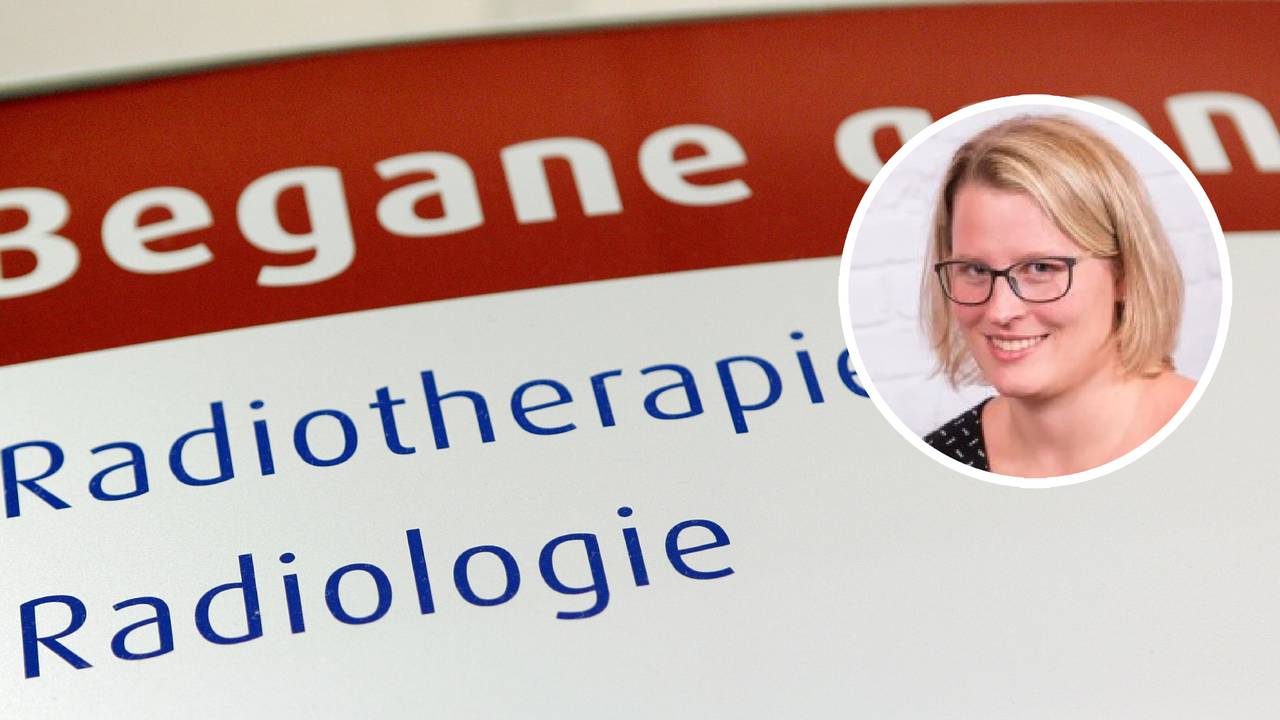
The intersection of political ambition and medical misinformation has sparked a significant controversy in Helmond, Netherlands. Anne Eißfeller, a self-described health coach and former candidate for the Forum voor Democratie (FvD) party, is facing intense scrutiny after reports emerged that she advises cancer patients to forgo chemotherapy in favor of dietary changes.
The controversy gained national attention following an investigation by the BNNVARA program BOOS
, which detailed Eißfeller’s claims that chemotherapy is harmful and that specific foods, such as quark with linseed oil, could serve as a viable alternative for those battling cancer. The program’s findings have prompted a swift reaction from her political affiliates, who are now distancing themselves from her views.
As a physician and editor specializing in public health, I locate this case particularly alarming. The promotion of dietary supplements or specific foods as a replacement for evidence-based oncology treatments is not merely a matter of “alternative opinion”—it is a dangerous form of medical misinformation that can lead to the avoidance of life-saving care. When such claims are amplified by individuals seeking political office, the risk to public health increases as these figures may gain a platform of perceived authority.
Political Fallout in Helmond
The local branch of Forum voor Democratie in Helmond has taken a firm stance following the revelations. The FvD faction in Helmond officially distanced itself from Eißfeller after the BOOS
broadcast exposed the nature of her health advice according to reporting from April 30, 2026. Eißfeller had appeared on the party’s candidate list for the most recent local elections, a fact that has added a layer of political urgency to the party’s disavowal.
The party’s reaction underscores the volatility of associating with “health coaches” who lack formal medical credentials but possess strong social media presence or niche followings. In this instance, the party’s decision to distance itself reflects a recognition that promoting the avoidance of chemotherapy is an indefensible position in the public sphere.
The Danger of ‘Health Coaching’ Misinformation
The specific claims attributed to Eißfeller are medically unfounded. According to the investigation by BOOS
, Eißfeller suggests that cancer patients should avoid chemotherapy and instead consume quark with linseed oil as reported by Omroep Brabant. Some reports further indicate that she has claimed chemotherapy actually causes cancer, a reversal of medical fact that misrepresents how the treatment works and its purpose in eradicating malignant cells.
From a clinical perspective, chemotherapy is a rigorously tested medical intervention designed to stop the growth of cancer cells. While it carries significant side effects, it is administered based on a risk-benefit analysis conducted by oncology specialists. Suggesting that a dairy product and a specific oil can replace this complex medical process is an act of extreme medical negligence, often categorized as quackery.
Why This Matters: The Vulnerability of Patients
Cancer patients are among the most vulnerable populations in healthcare. The fear associated with a cancer diagnosis and the daunting nature of chemotherapy often make patients susceptible to “miracle cures” or “natural” alternatives that promise a less painful path to recovery. When a coach claims that chemotherapy is poison
or that a simple diet can cure the disease, they are not offering a choice; they are manipulating a patient’s fear and hope.
The danger is not just in the lack of efficacy of the alternative treatment, but in the opportunity cost. Every day a patient spends following an unverified dietary regimen instead of receiving chemotherapy is a day the cancer is allowed to progress unchecked. In many cases, this delay can move a patient from a treatable stage of cancer to an incurable one.
Addressing the Rise of Health Gurus
This incident in Helmond is not an isolated case but part of a growing global trend of “health gurus” who leverage digital platforms to challenge established medical science. These individuals often utilize a mix of anecdotal evidence, pseudo-scientific terminology and appeals to “natural living” to build trust with their audience.
The challenge for public health officials is that these coaches often operate in a regulatory gray area. By calling themselves “coaches” rather than “doctors,” they attempt to bypass the legal restrictions and ethical obligations that govern medical practice. However, the moment a coach provides specific medical advice—such as telling a patient to stop a prescribed medication or treatment—they are crossing the line into the unlicensed practice of medicine.
Key Indicators of Medical Misinformation
To protect themselves and their loved ones, the public should be wary of health advice that exhibits the following red flags:
- Absolute Claims: Using words like
cure
,guaranteed
, ormiracle
regarding serious illnesses. - Fear-Mongering: Labeling standard medical treatments as
poison
orscams
without citing peer-reviewed clinical data. - Simplistic Solutions: Claiming that a single food, supplement, or lifestyle change can replace a complex medical regimen.
- Lack of Credentials: Relying on “experience” or “intuition” rather than medical degrees, board certifications, or published research.
What Happens Next
While the political fallout for Anne Eißfeller is immediate, the broader concern remains the potential impact on patients who may have already followed her advice. There are currently no public reports of formal legal charges or medical board sanctions, as she does not hold a medical license, but the public exposure by BOOS
serves as a critical warning.
The medical community continues to urge patients to discuss any complementary therapies—such as dietary changes—with their primary oncologist. Integrative medicine, which combines evidence-based medical treatment with supportive lifestyle changes, is a valid approach; however, it is complementary, not a replacement for curative treatment.
Further updates regarding any potential regulatory actions or responses from health authorities in North Brabant are expected as the story develops. We encourage readers to share this article to raise awareness about the dangers of medical misinformation and to always verify health claims with licensed medical professionals.
Keep reading