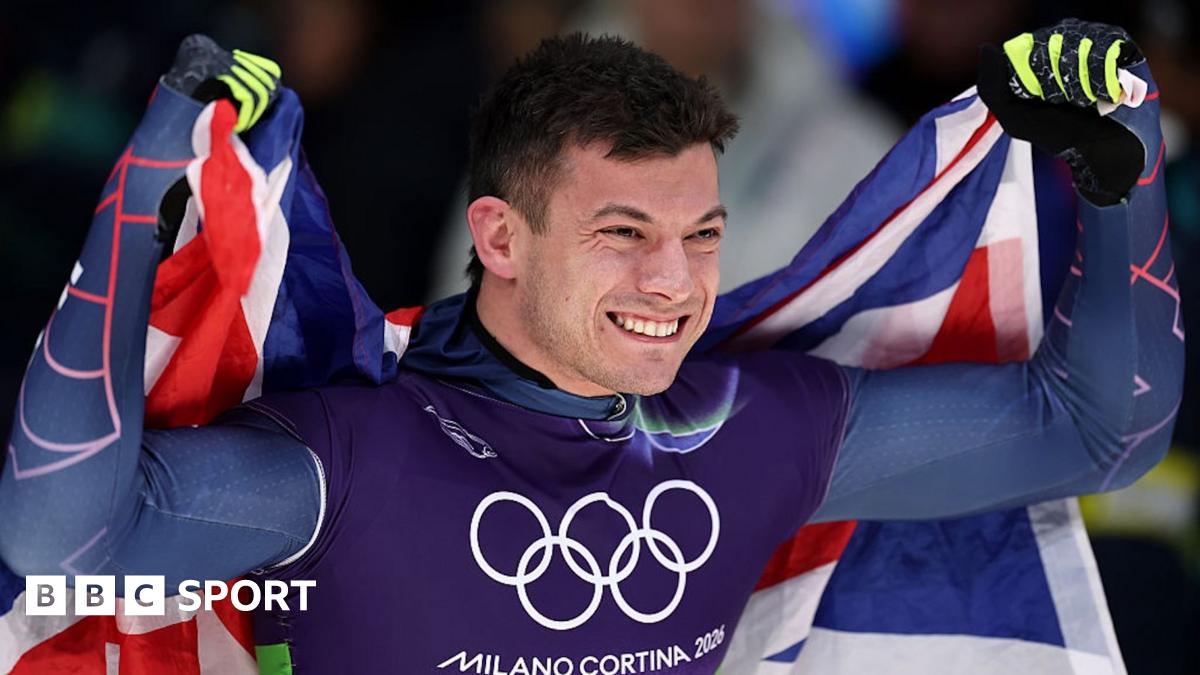
Milan and Cortina d’Ampezzo, Italy, played host to a historic Winter Olympics for Team GB in February 2026, marking a turning point for British winter sports. The Games saw the nation achieve its best-ever medal haul at a Winter Olympics, with a total of five medals – three gold, one silver and one bronze – securing a 15th-place ranking. This success isn’t simply about the numbers; it represents a strategic shift in funding, athlete development, and a growing confidence on the world stage. The performance in Italy signals a promising future for British winter athletes, with eyes already turning towards the 2030 Games and beyond.
The 2026 Winter Olympics weren’t just about adding to the medal count; they were about breaking new ground. For the first time, Great Britain won more than one gold medal at a single Winter Games. This breakthrough was spearheaded by Charlotte Bankes and Huw Nightingale, who triumphed in the mixed relay snowboard cross event, adding to the gold secured by Matt Weston in the men’s individual skeleton. Weston’s victory was particularly significant, becoming the first British male to win Winter Olympic gold since Christopher Dean in 1984, and the first individual male gold medalist for Great Britain since Robin Cousins in 1980, both in figure skating. The team’s success extended further with Weston and Tabitha Stoecker winning the skeleton mixed team event, achieving an unprecedented third gold for Great Britain at a single Games.
A Surge in Funding and Strategic Investment
The success of Team GB at the 2026 Winter Olympics is, in part, a result of increased investment in winter sports. Over the four-year cycle leading up to the Milan-Cortina Games, UK Sport invested £25.5 million into Olympic winter sports programs, a notable increase from the £22.2 million allocated for the Beijing 2022 cycle. Team GB’s official website details the commitment to supporting athletes and programs. This financial backing isn’t solely based on potential medal returns, however. UK Sport also considers the long-term potential of each sport, its impact on public engagement, and its ability to inspire future generations of athletes.
The British Olympic Association selected 53 athletes – 30 men and 23 women – to compete across 11 sports at the Games. According to Wikipedia, this represents a carefully chosen delegation designed to maximize competitive potential. The focus extends beyond immediate results, with a clear strategy in place to nurture emerging talent and build a sustainable pipeline of success for future Olympic cycles. This long-term vision is crucial, as highlighted by officials who emphasize the importance of supporting athletes throughout their careers, ensuring they are at their peak performance when it matters most.
Building on Success: The Road to 2030
Looking ahead, the focus is firmly on building on the momentum generated at the 2026 Winter Olympics. While the final reviews will be conducted by both the British Olympic Association and individual sports, the groundwork for the 2030 Games is already underway. The funding for the next cycle will be officially announced in the summer, but provisional figures have already been allocated to individual sports to facilitate planning. This proactive approach demonstrates a commitment to sustained investment and continuous improvement.
A key aspect of this strategy is fostering collaboration and resource sharing among different sports. UK Sport is encouraging organizations to work together to maximize efficiency and impact, recognizing that a collective approach can yield greater results. This collaborative spirit is exemplified by GB Snowsport, which received £7.3 million in UK Sport funding for the 2026 program but also actively sought additional commercial revenue to supplement its resources. This demonstrates a willingness to explore innovative funding models and leverage partnerships to achieve ambitious goals.
The Next Generation of British Winter Athletes
The success in Milan and Cortina wasn’t solely about established stars; it also showcased the potential of emerging talent. Many of the athletes who came close to medaling are still young and have a bright future ahead of them. This is particularly encouraging, as it suggests that Great Britain’s success in winter sports is not a fleeting moment but rather the beginning of a sustained period of achievement. As Vicky Gosling of GB Snowsport stated, “This is just the start. This is not the peak for us. There’s so much more that we can achieve.”
Gosling’s optimism is rooted in the belief that Great Britain has the talent and capability to compete with the best in the world. She emphasized that the athletes have already demonstrated their potential and are capable of delivering even greater results in the future. With the 2030 Games on the horizon, the focus is on nurturing this talent, providing them with the support they need to reach their full potential, and converting near misses into gold medals. The ambition is clear: to continue building on the success of 2026 and establish Great Britain as a leading force in winter sports.
Impact and Resonance: Inspiring a Nation
The impact of Team GB’s performance extends beyond the medal table. The success of British athletes at the Winter Olympics has the power to inspire a nation, encouraging greater participation in winter sports and fostering a sense of national pride. UK Sport recognizes this, and the impact on the watching British public is a key factor in its funding decisions. The goal is not only to win medals but also to create a lasting legacy that benefits the country as a whole.
The increased visibility of winter sports can also have a positive economic impact, attracting investment and boosting tourism. As more people become interested in activities like skiing, snowboarding, and ice skating, there is a greater demand for facilities and services, creating opportunities for businesses and communities. The success of Team GB can therefore serve as a catalyst for economic growth and development.
The athletes themselves have gone “above and beyond” in delivering value for money, according to officials. This success is not simply a matter of luck; it is the result of years of hard work, dedication, and strategic planning. The next four years will be crucial in building on this foundation, supporting the next generation of athletes, and ensuring that Great Britain continues to compete at the highest level.
As Team GB looks ahead to the 2030 Winter Olympics, the foundations for continued success have been firmly laid. The combination of increased funding, strategic investment, a focus on talent development, and a collaborative spirit positions British winter sports for a bright future. The achievements in Milan and Cortina d’Ampezzo are not just a celebration of past successes but a testament to the potential that lies ahead. The next confirmed checkpoint will be the summer announcement of funding allocations for the 2030 Olympic cycle. We encourage readers to share their thoughts on Team GB’s performance and the future of British winter sports in the comments below.
Keep reading