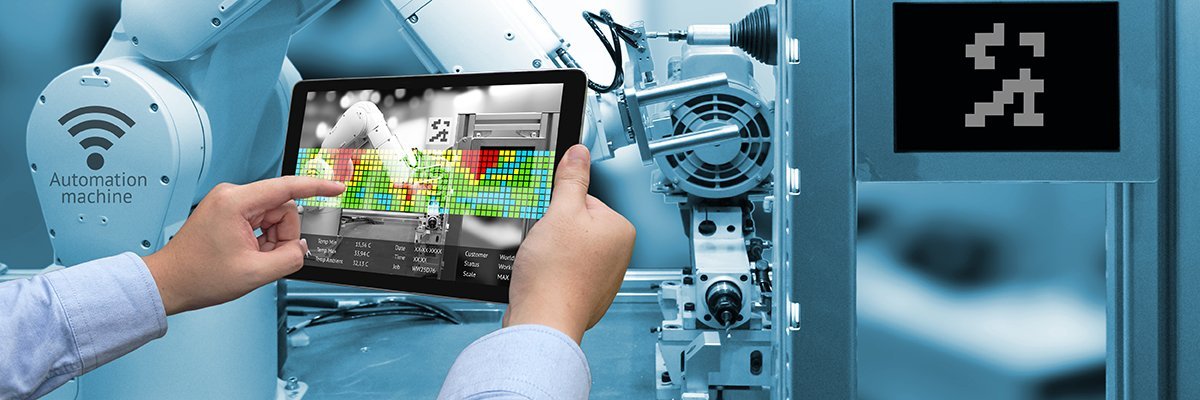
TeamViewer and Microsoft have entered a strategic partnership to integrate on-device artificial intelligence and augmented reality (AR) capabilities into spatial computing platforms. This collaboration aims to enhance remote assistance for frontline and industrial workers by leveraging localized processing power to streamline complex troubleshooting and technical support tasks in real-time environments.
As a technology journalist, I have spent years tracking how remote connectivity software evolves from simple desktop sharing to sophisticated industrial tools. This latest move marks a clear shift toward integrating spatial computing—technology that blends digital information with the physical world—directly into the workflows of those who maintain our global infrastructure. By moving AI processing onto the device itself, the companies are addressing the latency and security concerns that have historically hindered the adoption of AR in high-stakes industrial settings.
Bringing AI to the Frontline
The core of this partnership focuses on empowering workers who operate in environments where hands-free operation and immediate access to technical documentation are critical. According to official company statements regarding their industrial software strategy, the integration allows for real-time visual guidance, where AI can identify machinery, suggest repair steps, and overlay digital schematics onto a worker’s field of view. This process is designed to reduce the time spent searching for manuals or waiting for secondary expert intervention.
By utilizing on-device AI, the system functions more reliably in environments with limited or inconsistent internet connectivity. This is a significant departure from cloud-dependent models, as the local processing ensures that critical diagnostic information remains accessible even if the network connection fluctuates. For industrial firms, this means a reduction in downtime and a more efficient allocation of specialized labor, as remote experts can provide guidance without needing to be physically present on-site.
The Role of Spatial Computing
Spatial computing platforms, which include hardware like headsets and advanced AR glasses, serve as the interface for this new level of support. The collaboration between TeamViewer and Microsoft focuses on optimizing the software stack to ensure that these spatial environments are not just immersive, but functional. In practice, this means that a technician wearing an AR device can see a complex machine and, through the TeamViewer interface, view live data overlays, heat maps, or step-by-step assembly instructions mapped directly to the physical components.
This integration is part of a broader industry trend toward “connected worker” solutions. By combining Microsoft’s infrastructure with TeamViewer’s expertise in remote access, the partnership aims to standardize how industrial organizations deploy AR. For the end-user, this translates to a more intuitive experience where the barrier between digital instructions and physical action is virtually erased.
Why This Matters for Industry
The impact of this partnership extends beyond simple convenience. In sectors such as manufacturing, energy, and logistics, the ability to resolve technical issues instantly can save companies significant capital. The shift toward on-device processing also addresses data privacy and security, as sensitive diagnostic information does not necessarily need to be transmitted to the cloud for processing, keeping proprietary data secure within the local network.
For IT departments, managing these deployments becomes more streamlined when using integrated platforms. The combination of established remote support protocols with new spatial capabilities allows for a phased rollout of AR technology without requiring a complete overhaul of existing IT infrastructure. As companies continue to digitize their operations, the demand for such seamless, AI-driven support tools is expected to grow.
What Happens Next
As of June 2026, both companies continue to refine the integration of these AI features within their respective software suites. Organizations looking to implement these solutions are encouraged to monitor official updates from both TeamViewer and Microsoft regarding hardware compatibility and software rollout schedules. Future developments will likely focus on expanding the library of AI-recognized industrial components and increasing the precision of spatial overlays.
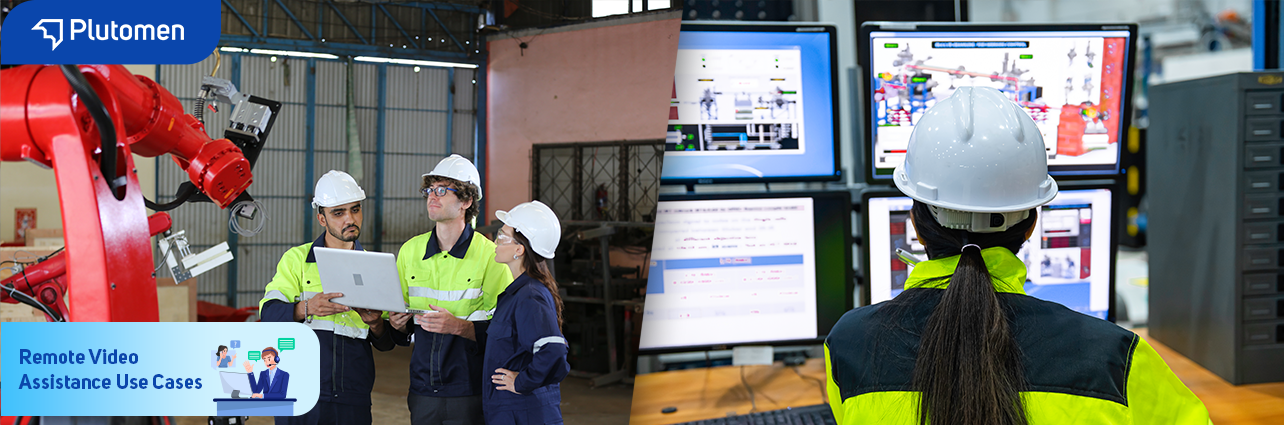
For those interested in the latest technical specifications and deployment guides, the official portals for both organizations remain the most reliable sources for updates. I invite you to share your thoughts on the future of industrial AR in the comments section below, or join the ongoing discussion on our social channels as we track how these technologies reshape the modern workplace.
Worth a look
- Google is signing the EU AI Act Code of Practice on Transparency of AI-Generated Content.
- Ilmuwan Temukan Bukti Venus Masih Aktif Secara Geologis dari Dalam – Media Indonesia
- Microsoft fixes PC game problems in September update (world-today-news.com)
- Get Microsoft Office on Mac for Only $43 (newsdirectory3.com)