
Snap Inc. has officially opened pre-orders for the fifth generation of its Spectacles, an augmented reality (AR) wearable designed to overlay digital elements onto the physical world. The new hardware, which features a standalone optical display, marks a significant shift in the company’s strategy as it moves from camera-centric eyewear to a platform focused on persistent AR experiences. According to official company disclosures, the device is currently available exclusively to developers and creators through an application-based program.
The fifth-generation Spectacles utilize a proprietary operating system, Snap OS, which allows users to interact with digital objects using hand gestures and voice commands. Unlike previous versions, which functioned primarily as cameras for social media content, these units integrate a waveguide display that projects light directly into the user’s eyes. As reported by Reuters, the hardware is priced at $99 per month with a one-year commitment, totaling approximately $1,199 for the initial development cycle.
Technical Specifications and Core Functionality
The core of the new Spectacles is the integration of two custom-built processors that handle spatial computing tasks. By offloading complex rendering to the device itself, Snap aims to reduce latency, a common challenge in mobile AR. The hardware includes four built-in cameras that track hand movements, enabling a gesture-based interface where users can “touch” or “grab” virtual menus and objects within their field of view. Data provided by The Verge confirms that the device weighs 226 grams, roughly four times the weight of a standard pair of glasses, and offers a battery life of approximately 45 minutes under active use.
The optical system relies on liquid crystal on silicon (LCOS) micro-displays. This technology allows for a high-brightness output, which is necessary for AR elements to remain visible in daylight conditions. While previous iterations of Spectacles were marketed toward general consumers, this release is strictly targeted at the developer ecosystem. Snap has stated that the goal of this limited rollout is to build a library of “Lenses”—the company’s term for AR applications—before a potential wider consumer launch.
Strategic Pivot Toward Spatial Computing
Snap’s pivot to dedicated AR hardware follows years of investment in its Lens Studio platform. By providing developers with direct access to the Spectacles hardware, the company is attempting to establish a footprint in the burgeoning spatial computing market, currently dominated by players such as Meta and Apple. According to Bloomberg, this hardware strategy is intended to diversify Snap’s revenue streams beyond its core advertising business, which has faced pressure from changing privacy regulations and increased competition for user attention.
The competitive landscape for AR glasses has intensified significantly since 2023. Meta’s Ray-Ban smart glasses, which focus on audio and camera capabilities rather than full-field AR, have seen widespread adoption, while Apple’s Vision Pro occupies the high-end spatial computing segment. By positioning the new Spectacles as a developer-first tool, Snap is attempting to differentiate itself by prioritizing lightweight form factors and social AR integration over high-fidelity, immersive virtual reality.
Who is Eligible for the Early Access Program?
Access to the hardware is not open to the general public at this stage. Developers, creators, and enterprise partners must apply through the official Spectacles website to be considered for the program. Snap has indicated that it will prioritize applicants who demonstrate a history of building AR experiences on the Snapchat platform. The company has not provided a specific timeline for when a consumer-grade version of the hardware might reach retail shelves, noting only that they are currently focused on iterating the software based on developer feedback.
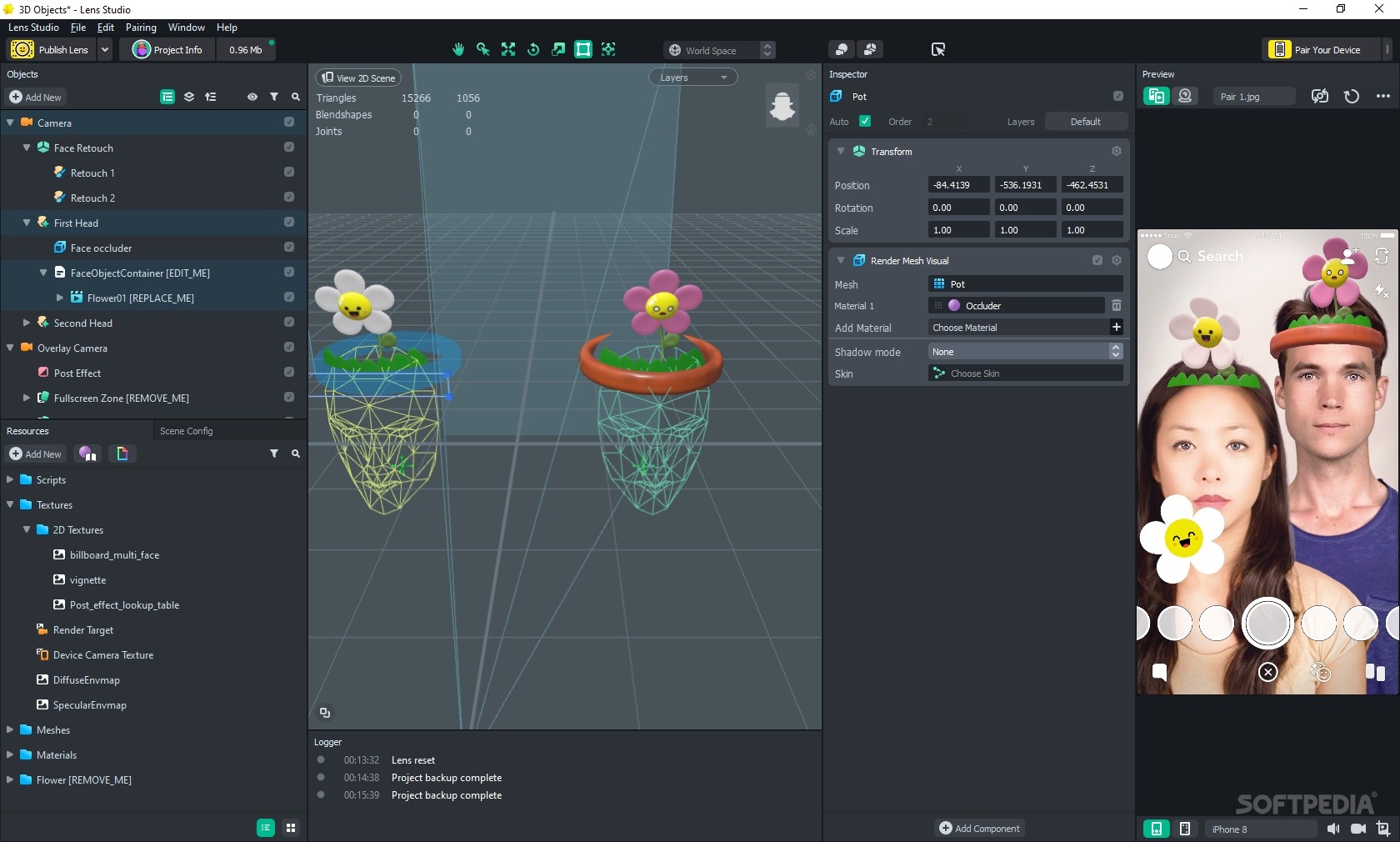
For those interested in the evolution of this technology, the company maintains a public-facing developer portal that tracks updates to Lens Studio. As the hardware is tethered to the Snap ecosystem, the utility of the glasses is currently limited to experiences built within the company’s proprietary framework. This “walled garden” approach is a common tactic in the wearable tech industry, designed to ensure quality control and feature parity across the platform.
Future Milestones and Industry Impact
The industry will be watching the adoption rates of the Spectacles development kit closely. Historically, the transition from prototype to mass-market consumer electronics in the AR space has been hindered by three primary factors: battery density, field-of-view limitations, and the social stigma of wearing camera-equipped glasses. Snap’s success will depend on whether its developer community can create “killer apps” that justify the current $1,199 price point and the physical trade-offs of the device.

Looking ahead, the next checkpoint for the project will be the publication of the first major software update for the device, which is expected to address initial performance feedback from the developer cohort. Readers interested in following the progress of these AR wearables can monitor the company’s official newsroom for future announcements regarding retail availability or expanded developer support. We invite readers to share their thoughts on the future of AR wearables in the comments section below.
Worth a look