
As the volume of data flowing through the framework reaches the milestone of one billion records, federal regulators are intensifying efforts to ensure that health systems and participants adhere to established privacy and security standards.
This expansion of compliance reviews marks a transition from the initial implementation phase of the nationwide health information exchange to a period of active accountability. According to the official TEFCA documentation provided by the U.S. Department of Health and Human Services (HHS), the framework is designed to provide a single “on-ramp” for nationwide interoperability. However, the inclusion of DOJ oversight suggests that the federal government is prepared to treat non-compliance as a serious legal matter rather than a purely administrative oversight.
The Evolution of TEFCA Oversight
TEFCA was established under the 21st Century Cures Act, which mandated the development of a framework to support the secure exchange of health information. For several years, the focus remained on infrastructure development and voluntary participation. Now, as adoption grows, the ONC is shifting its focus toward policing the ecosystem. The escalation in compliance monitoring is intended to protect patient privacy while ensuring that health information remains accessible to authorized providers.
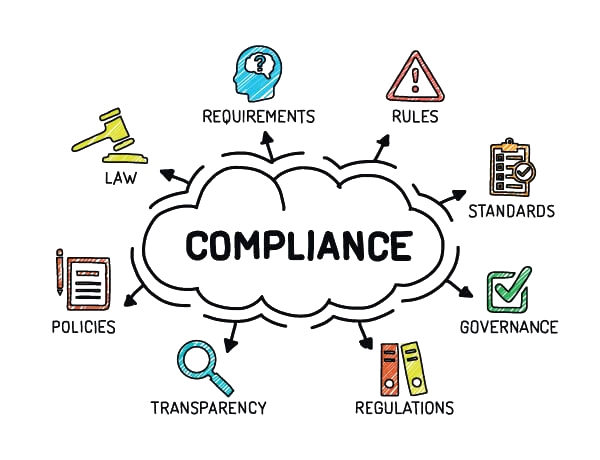
The regulatory approach is built on the Common Agreement, a set of legal requirements that participants must follow. The ONC’s recent rules regarding health data technology and interoperability emphasize that organizations failing to meet these standards may face consequences beyond mere loss of certification. The prospect of DOJ involvement indicates that the government views the integrity of health data exchange as a matter of national importance, potentially impacting organizations that engage in data blocking or other prohibited practices.
What This Means for Connected Health Systems
For health systems, hospitals, and health information networks (HINs), the primary implication is the need for more robust internal compliance auditing. The days of treating TEFCA participation as a passive connection are ending. Organizations must now prepare for more frequent audits and demonstrate ongoing adherence to the technical and legal standards outlined in the Common Agreement.
Experts in health IT policy note that the shift toward potential DOJ referrals underscores the gravity of federal data sharing mandates. Systems that are found to be in violation of the framework’s requirements may face scrutiny regarding their information blocking practices. Under the ONC’s Information Blocking regulations, entities that knowingly interfere with the access, exchange, or use of electronic health information (EHI) are subject to significant penalties. By tightening the compliance loop, the ONC is effectively lowering the threshold for federal intervention.
Preparing for Increased Federal Scrutiny
Healthcare organizations should prioritize a thorough review of their data exchange policies to ensure they align with the current version of the Common Agreement. This includes verifying that their technical infrastructure supports the necessary security protocols and that their administrative processes for responding to data requests are fully compliant with federal law.
The following steps are critical for maintaining compliance in the current regulatory environment:
- Conduct regular internal audits of data exchange workflows to identify potential bottlenecks that could be interpreted as information blocking.
- Ensure that all staff involved in health information management are trained on the legal requirements of TEFCA and the associated consequences of non-compliance.
- Maintain comprehensive documentation of all data exchange activities, which can serve as evidence of compliance during an ONC audit.
- Stay informed of updates to the Trusted Exchange Framework through official ONC news releases and public policy updates.
The transition toward more aggressive enforcement is a direct response to the increasing scale of health data movement. As more records are digitized and shared across state lines, the risk of data breaches and unauthorized access increases. The federal government’s move to involve the DOJ is intended to serve as a deterrent against entities that might prioritize proprietary interests over the secure and efficient exchange of patient information.
Future Regulatory Checkpoints
The ONC continues to iterate on the Common Agreement, with periodic updates released to address emerging security threats and technical challenges. Organizations currently participating in TEFCA or considering joining should monitor for the release of new versions of the Common Agreement, as these documents dictate the specific compliance obligations for the coming fiscal year. The next major opportunity for public comment and policy adjustment typically follows the publication of the Federal Register notices regarding health information technology standards.

Healthcare leaders are encouraged to participate in upcoming industry forums and public webinars hosted by the ONC to clarify how these heightened compliance expectations will be applied in practice. As the framework matures, the clarity provided by federal regulators will be essential for ensuring that the promise of nationwide interoperability does not come at the expense of legal and regulatory stability.
Have you encountered changes in your organization’s data exchange compliance requirements? Share your experiences or questions in the comments section below to join the discussion.
Keep reading