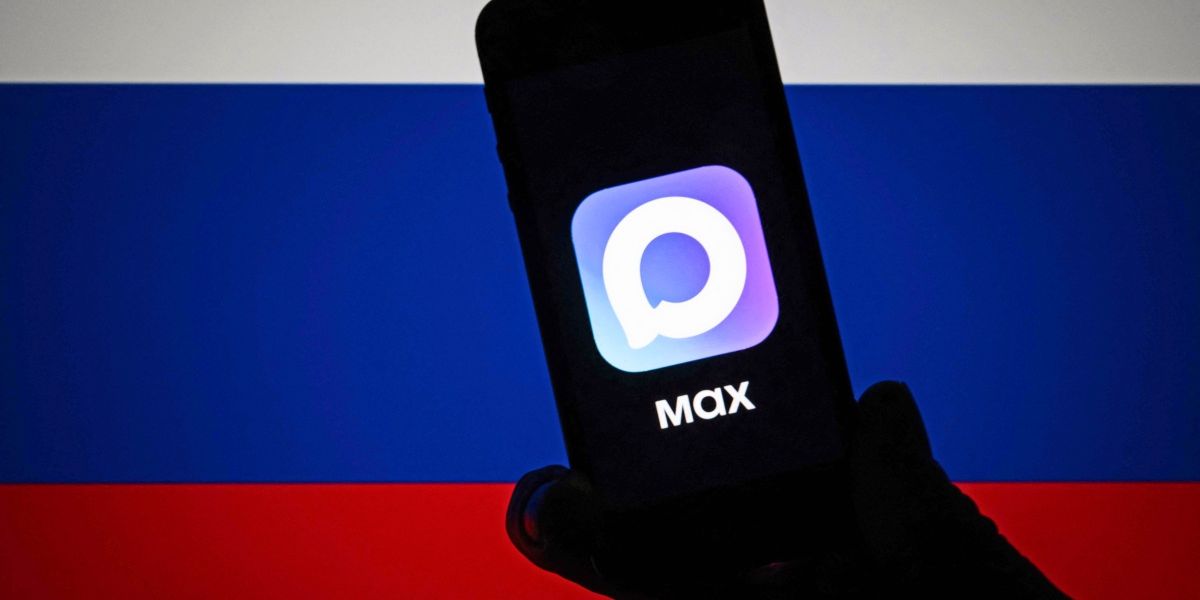
Moscow – Concerns are mounting over increasingly widespread reports of disruptions to the popular messaging app Telegram in Russia. Users are reporting difficulties accessing the platform both through the mobile application and its web-based version, fueling speculation about a potential complete block. These reports approach amid existing restrictions on voice and video calls within Telegram and WhatsApp, implemented by Russian authorities over the past year.
The situation echoes a broader trend of increasing internet control within Russia, impacting communication channels for millions. While Russian regulators have long cited security concerns and the need to combat illegal activities as justification for these measures, critics argue they represent a deliberate effort to stifle dissent and limit access to information. The potential full blocking of Telegram raises questions about the future of digital communication for Russian citizens and the extent to which the government will continue to exert control over the online sphere.
Russia’s Escalating Restrictions on Messaging Apps
The current disruptions affecting Telegram build upon a series of restrictions imposed on messaging applications in Russia. As early as August 2025, Russian authorities began blocking voice and video calls on both WhatsApp, and Telegram. According to the Associated Press, the government media and internet regulator, Roskomnadzor, justified these initial restrictions as necessary to combat crime, alleging that the platforms were being used for fraudulent activities, extortion, and even to coordinate sabotage and terrorist acts. Roskomnadzor also claimed that repeated requests for the platforms to address these concerns had been ignored.
WhatsApp responded to the restrictions by stating that the encrypted messaging app “defies government attempts to violate people’s right to secure communication, which is why Russia is trying to block it from over 100 million Russian people.” Telegram has not issued a comprehensive public statement regarding the recent disruptions, but has previously stated it removes harmful content. The move impacts over 180 million users, as reported by WION.
Circumventing the Blocks: VPNs and Alternatives
For Russian citizens seeking to maintain access to blocked messaging services, several options exist, though each comes with its own limitations. One common approach is the use of a Virtual Private Network (VPN). A VPN allows users to connect to the internet through servers located outside of Russia, effectively bypassing the government’s restrictions and restoring access to WhatsApp and Telegram calls. However, the effectiveness of VPNs is not guaranteed, as Russian authorities actively operate to identify and block VPN services.
RussiaBle.com highlights several VPN options, including Proton VPN, TunnelBear, and Windscribe, though notes that these services are subject to intermittent blocking. The site advises users to install and configure a VPN *before* traveling to Russia, as downloading them from within the country can be more difficult. Some users reportedly employ multiple VPNs as a backup, anticipating potential disruptions to individual services. It’s important to note that while personal use of VPNs is currently permitted in Russia, promoting their use is prohibited by law.
Beyond VPNs, several international video call platforms remain accessible in Russia without requiring a VPN. These include Zoom, Google Meet, and Microsoft Teams. These platforms offer viable alternatives for those seeking to communicate via video and audio calls, though they may require users to switch from their preferred messaging apps.
The Broader Context: Digital Sovereignty and Internet Control
Russia’s actions regarding WhatsApp and Telegram are part of a larger, long-term strategy to increase its control over the internet, often framed as a pursuit of “digital sovereignty.” This strategy involves a combination of restrictive laws, website and platform bans, and the development of technologies to monitor and manipulate online traffic. The government has consistently sought to exert greater control over the digital space, citing concerns about national security, the spread of misinformation, and the protection of citizens from harmful content.
The restrictions on messaging apps are particularly significant because these platforms have become essential tools for communication, information sharing, and organizing social movements. By limiting access to these channels, the Russian government aims to curtail the flow of information and suppress dissent. This approach aligns with a global trend of increasing internet censorship and control, as governments around the world grapple with the challenges of regulating the digital sphere.
Roskomnadzor’s Role and Justifications
Roskomnadzor, the Russian federal service for supervision of communications, information technology and mass media, plays a central role in implementing these restrictions. The agency has the authority to block websites and platforms, issue fines, and enforce internet regulations. As previously mentioned, Roskomnadzor has consistently justified its actions by citing security concerns and the need to protect citizens from illegal activities. However, critics argue that these justifications are often used as a pretext for suppressing freedom of expression and limiting access to information.
The agency’s actions have drawn criticism from international human rights organizations and digital freedom advocates, who argue that they violate fundamental rights and undermine the principles of an open and accessible internet. The ongoing restrictions on messaging apps are likely to further exacerbate these concerns and raise questions about the future of digital freedom in Russia.
What Happens Next?
The situation surrounding Telegram in Russia remains fluid. While reports of disruptions are widespread, a complete and official confirmation of a full block has not yet been issued by Russian authorities as of today, March 16, 2026. However, the continued restrictions on WhatsApp and Telegram calls, coupled with the increasing reports of access issues, suggest that the government is likely to continue tightening its control over these platforms.
The next key development to watch will be any official statement from Roskomnadzor regarding the reported disruptions to Telegram. Further escalation could involve a complete block of the platform, similar to the restrictions already in place for other websites and services. Russian citizens and international observers will be closely monitoring the situation to assess the impact on digital communication and freedom of expression within the country.
The ongoing struggle between the Russian government and messaging platforms highlights the complex challenges of balancing national security concerns with the fundamental rights of citizens in the digital age. As technology continues to evolve, the debate over internet control and digital sovereignty is likely to intensify, with significant implications for the future of online communication and freedom of expression worldwide.
Do you have insights into the situation in Russia? Share your thoughts and experiences in the comments below.
Related reading
- Qualcomm Snapdragon Price Hikes: Will Android Phones Get More Expensive?
- SwissChain Holding SA Issues Blockchain Shares with Full Legal Effect
- US Treasury Secretary Bessent Signals Potential Joint Intervention to Support Yen (archynewsy.com)
- National Weather Service Issues Alert After Swimmers Face Danger in Wilmington (news-usa.today)