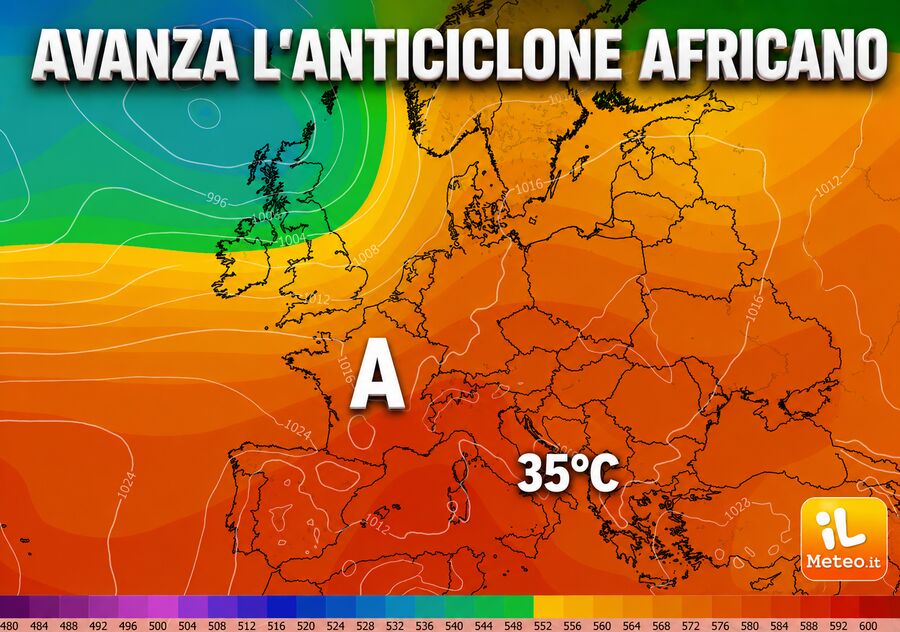
As we transition into the warmer months of the year, Italy is bracing for a significant shift in weather patterns. Following a period of variable conditions, meteorological forecasts indicate a marked rise in temperatures across the peninsula, signaling the arrival of early summer heat. While residents in many regions can expect clear skies and rising mercury levels, the northern territories remain the primary focus for potential atmospheric instability.
For those tracking the European climate, these shifts are not merely seasonal transitions but significant meteorological events that impact everything from local agriculture to public health and tourism. Understanding the official weather bulletins provided by the Italian Air Force Meteorological Service is essential for planning daily activities and ensuring safety during periods of high heat.
Rising Temperatures and Regional Variability
The current meteorological analysis highlights a clear divide across Italy. Central regions, along with the islands of Sardinia and Sicily, are poised to experience the most significant warming. In these areas, thermometers are expected to climb toward levels typically associated with the height of summer, with localized peaks potentially reaching between 30°C and 31°C. Such temperatures represent a substantial departure from the spring averages, necessitating caution for vulnerable populations, including the elderly and those with pre-existing health conditions.

Conversely, the northern regions of Italy are expected to maintain a more unsettled profile. The interaction between the advancing warm air masses and cooler currents often results in localized thunderstorms, particularly in mountainous areas. According to data from the Copernicus Climate Change Service, monitoring these atmospheric fluctuations is critical, as rapid temperature changes can lead to sudden, intense weather events that may affect infrastructure and local travel.
Understanding the Seasonal Transition
The phenomenon of early summer heat spikes in Italy is often influenced by the movement of high-pressure systems originating from North Africa. When these systems establish themselves over the Mediterranean, they bring dry, hot air that leads to the rapid temperature increases currently being observed. These patterns are a standard feature of the Mediterranean climate, though their intensity and duration are subjects of ongoing study by climate scientists.
For the average citizen, the primary concern during these heat events is hydration and heat stress prevention. Health authorities consistently advise remaining indoors during the peak hours of sunlight—typically between 12:00 PM and 4:00 PM—and ensuring that living spaces are properly ventilated. For the latest safety guidance and heat-health alerts, citizens are encouraged to consult the Italian Ministry of Health’s official portal, which provides real-time information on heatwave risks and preventive measures.
Key Considerations for the Coming Days
- Temperature Peaks: Expect significant warming in the Central and Southern regions, with inland areas likely to see the highest readings.
- Northern Instability: While the sun will dominate, prepare for potential afternoon thunderstorms in the Alps and northern plains.
- Health Safety: Prioritize hydration and avoid direct exposure to high-intensity sunlight during the mid-afternoon.
- Official Updates: Rely on institutional sources such as the Department of Civil Protection for warnings regarding severe weather alerts or hydrological risks.
The Broader Impact of Climate Fluctuations
The shift toward these summer-like temperatures serves as a reminder of the importance of meteorological monitoring. Beyond the immediate impact on personal comfort, these trends influence water management and agricultural cycles. Farmers across the Po Valley and other agricultural hubs are particularly sensitive to these shifts, as sudden heat can accelerate crop development cycles or increase the demand for irrigation.
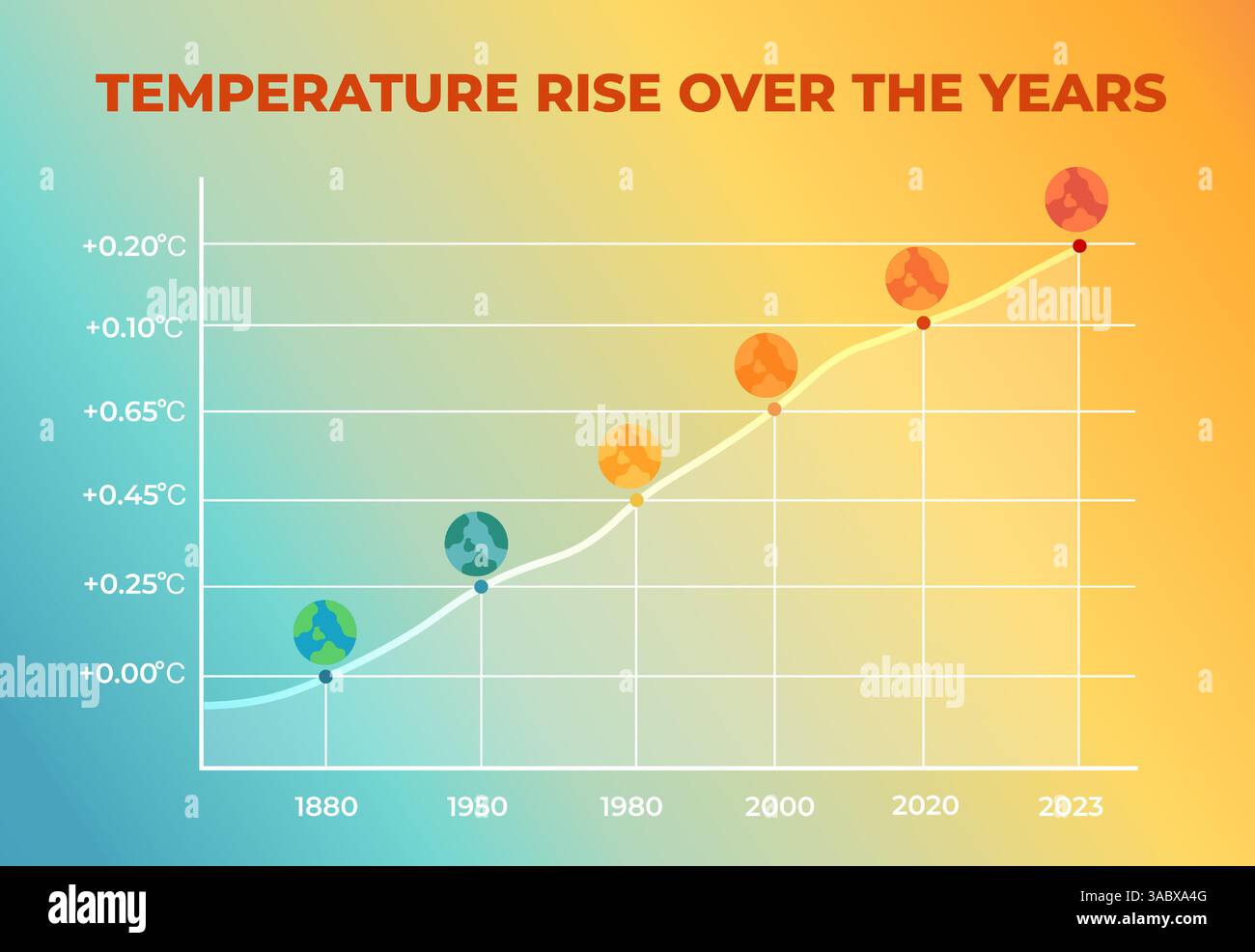
As we move deeper into the month, the persistence of these heat patterns will be determined by the stability of the high-pressure ridge. If the ridge remains anchored over the central Mediterranean, the current trend of above-average temperatures is likely to continue. However, the potential for Atlantic-driven disturbances remains a constant variable that could break the heat cycle, particularly for the North.
I will continue to monitor these developments closely. As a sports journalist, I often see how weather dictates the flow of outdoor events, but the broader implications for our environment and public safety remain a priority for all of us. Stay informed through official channels, and keep an eye on the local weather and hydrogeological risk reports to stay ahead of any significant changes.
What are your thoughts on the early arrival of summer heat in your region? Are you finding the transition manageable, or are you preparing for a long, hot season ahead? Please share your experiences and stay safe as we navigate these changing conditions.
Related reading