
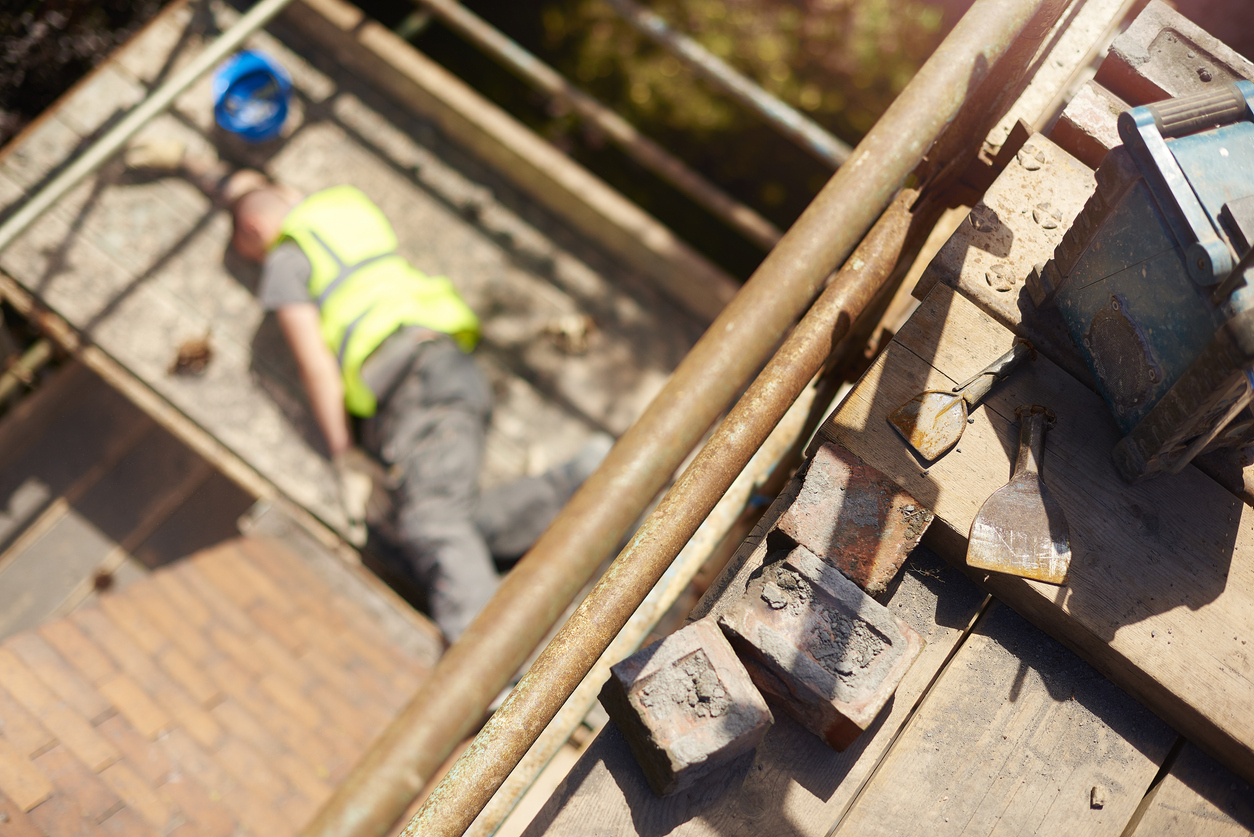
A construction site in the heart of Toulouse became the scene of a critical emergency on Monday morning, leaving a worker fighting for survival after a severe fall from a building roof.
The incident occurred on Rue d’Auriol, located within the Busca district of the city. Emergency responders were alerted to the scene where a temporary worker had fallen from a height, landing in the courtyard of the property. Upon arrival, first responders discovered the individual unconscious, prompting an immediate and intensive medical intervention.
The victim, identified as a temporary employee (intérimaire), was treated on-site by emergency medical teams before being transported to a nearby hospital. While official medical bulletins remain limited, reports indicate the worker is currently in critical condition, described as being “between life and death.”
Emergency Response and Immediate Actions
The response to the accident involved a coordinated effort between the Service d’Aide Médicale Urgente (SAMU) and the local fire and rescue services (SDIS 31). The speed of the intervention was critical, as the worker was found unresponsive in the courtyard following the fall.
Authorities have secured the perimeter on Rue d’Auriol to allow for a thorough investigation into the circumstances of the fall. The primary objective for investigators is to determine whether safety protocols were followed and if the necessary fall-protection equipment was in place at the time of the accident.
The Vulnerability of Temporary Workers in Construction
This accident highlights a recurring concern within the European construction industry: the safety and integration of temporary workers. In France, the use of “intérim” (temporary agency) staff is common in the building and public works sector, but these workers often face unique risks compared to permanent employees.
Temporary workers may lack long-term familiarity with a specific site’s layout or the particular safety quirks of a project. This makes the “safety induction” phase—the period where a worker is briefed on site-specific hazards—absolutely vital. Under French labor regulations, employers and temporary agencies share a joint responsibility to ensure that every worker is properly trained and equipped for the tasks they are assigned.
For those seeking guidance on workplace safety standards in the French construction sector, the OPPBTP (Organisme Professionnel de Prévention du Bâtiment et des Travaux Publics) provides comprehensive resources and safety mandates designed to prevent falls from heights, which remain one of the leading causes of fatal workplace accidents in the industry.
Key Safety Protocols for Work at Height
To prevent such tragedies, the construction industry adheres to strict hierarchies of risk control. When working on roofs or elevated platforms, the following measures are typically mandated:

- Collective Protection: The installation of guardrails, scaffolding, and safety nets to prevent a fall from occurring in the first place.
- Individual Protection: The use of harnesses and lanyards anchored to certified points when collective protection is not feasible.
- Training: Mandatory certification for workers operating on roofs or using specialized lifting equipment.
- Supervision: Constant oversight by a site manager to ensure that safety gear is being used correctly.
What Happens Next: Investigation and Liability
Following a serious workplace accident in France, a standard legal process is triggered. The Inspection du Travail (Labor Inspectorate) typically launches an inquiry to examine the site’s compliance with health and safety laws. This investigation will focus on several key questions:
- Was the worker provided with a proper safety briefing upon arriving at the Busca site?
- Was the equipment provided by the agency or the site owner compliant with current safety standards?
- Were there environmental factors (such as weather or unstable roofing material) that contributed to the fall?
The outcome of this investigation will determine if there was “negligence” or a “fault” in the safety chain, which could lead to legal actions or fines for the construction firm or the temporary employment agency involved.
As the worker remains in critical condition, the local community and the construction workforce in Toulouse await updates on their recovery. This event serves as a somber reminder of the inherent dangers of the trade and the non-negotiable necessity of rigorous safety enforcement on every job site.
The next confirmed checkpoint regarding this case will be the release of the preliminary report from the Labor Inspectorate and updated medical bulletins from the treating hospital. We will provide updates as verified information becomes available.
Do you have experience with workplace safety standards or insights into the challenges faced by temporary workers in the construction industry? We invite you to share your thoughts and comments below.
Worth a look