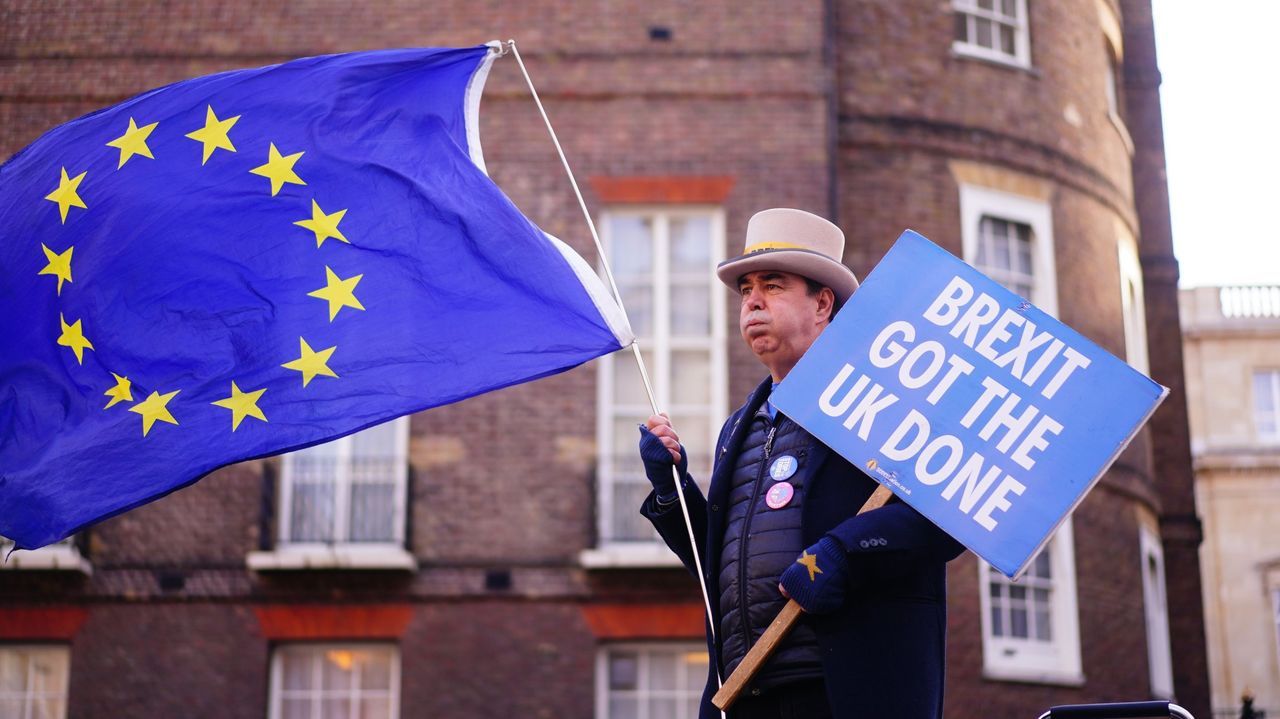
Ten years after the 2016 United Kingdom European Union membership referendum, the political and economic landscape remains defined by the complex transition away from EU institutions. The vote, which saw 51.9% of voters support leaving the European Union, initiated a decade of legislative recalibration, shifting trade dynamics, and significant constitutional debate within the United Kingdom. According to the UK Electoral Commission, the referendum saw a 72.2% turnout, marking one of the most consequential democratic exercises in modern British history.
The decision to leave—commonly referred to as Brexit—was framed by proponents as a mechanism to “take back control” of domestic legislation, borders, and trade policy. However, the practical application of this mandate has faced sustained challenges. As of 2024, the UK government continues to navigate the Trade and Cooperation Agreement (TCA), which governs the current relationship between London and Brussels. The transition from a member state to a “third country” has necessitated the creation of new regulatory frameworks, affecting everything from agricultural standards to financial services.
The Economic Reality of Post-Referendum Britain
Economic performance since the 2016 vote has been a subject of intense scrutiny by international bodies. The International Monetary Fund (IMF) has frequently analyzed the UK’s post-Brexit growth trajectory, noting that the country has faced specific headwinds related to trade friction and labor market shortages. While proponents of the exit argued that independence would allow the UK to become a more agile global power, the reality has involved reconciling with the loss of frictionless access to the European Single Market, which previously accounted for nearly half of all UK trade.

Data from the Office for National Statistics (ONS) indicates that trade intensity—the sum of imports and exports as a percentage of GDP—has undergone structural shifts. Businesses have had to adapt to new customs requirements, sanitary and phytosanitary checks, and varying rules of origin. These administrative costs have disproportionately affected small and medium-sized enterprises (SMEs) that previously operated under the assumption of seamless cross-border commerce.
Legislative Sovereignty and Regulatory Divergence
A core promise of the leave campaign was the repatriation of legislative power. The European Union (Withdrawal) Act 2018 served as the primary legal vehicle for this process, effectively ending the supremacy of EU law in the UK. This transition has allowed the British Parliament to pursue independent policy paths in areas like environmental regulation, data protection, and immigration.

However, this “sovereignty” has come with the challenge of maintaining regulatory alignment where it remains economically beneficial. The Windsor Framework, agreed upon in 2023, represents a significant development in this regard. It addressed long-standing issues concerning the movement of goods between Great Britain and Northern Ireland, attempting to balance the integrity of the EU Single Market with the need to avoid a hard border on the island of Ireland. This framework underscores the ongoing necessity of negotiation with EU partners, even in an era of post-membership independence.
Social Impact and the Evolution of Public Opinion
The decade since the referendum has also seen a marked change in public discourse regarding the UK’s global role. Initially driven by a “seductive narrative” of national rejuvenation, the conversation has shifted toward the practicalities of governance in a fragmented international trade environment. According to longitudinal studies conducted by the UK in a Changing Europe initiative, public opinion has remained deeply divided, with significant portions of the electorate reflecting on the long-term trade-offs between sovereignty and economic integration.
The impact on public services, particularly the National Health Service (NHS) and the broader labor market, remains a point of contention. The end of freedom of movement has necessitated a new points-based immigration system, as detailed by the UK Home Office. This system aims to prioritize high-skilled labor while managing overall migration levels, reflecting a fundamental change in how the UK interacts with the global talent pool.
Next Steps in the UK-EU Relationship
The future of the UK’s relationship with the European Union is governed by the periodic review clauses within the Trade and Cooperation Agreement. The next major assessment of the TCA’s implementation is expected to be a focal point for policymakers in both London and Brussels. The focus remains on reducing non-tariff barriers and enhancing cooperation in areas such as energy security and geopolitical stability.

As the UK enters its second decade post-referendum, the priority for the government continues to be the stabilization of trade links and the optimization of domestic regulatory frameworks. Observers note that the “Brexit process” is not a singular event but an ongoing evolution of the British state. Readers interested in the latest legislative updates can monitor the UK Parliament website for upcoming committee reports on post-Brexit trade arrangements. Share your thoughts on how this decade has shaped the national trajectory in the comments section below.