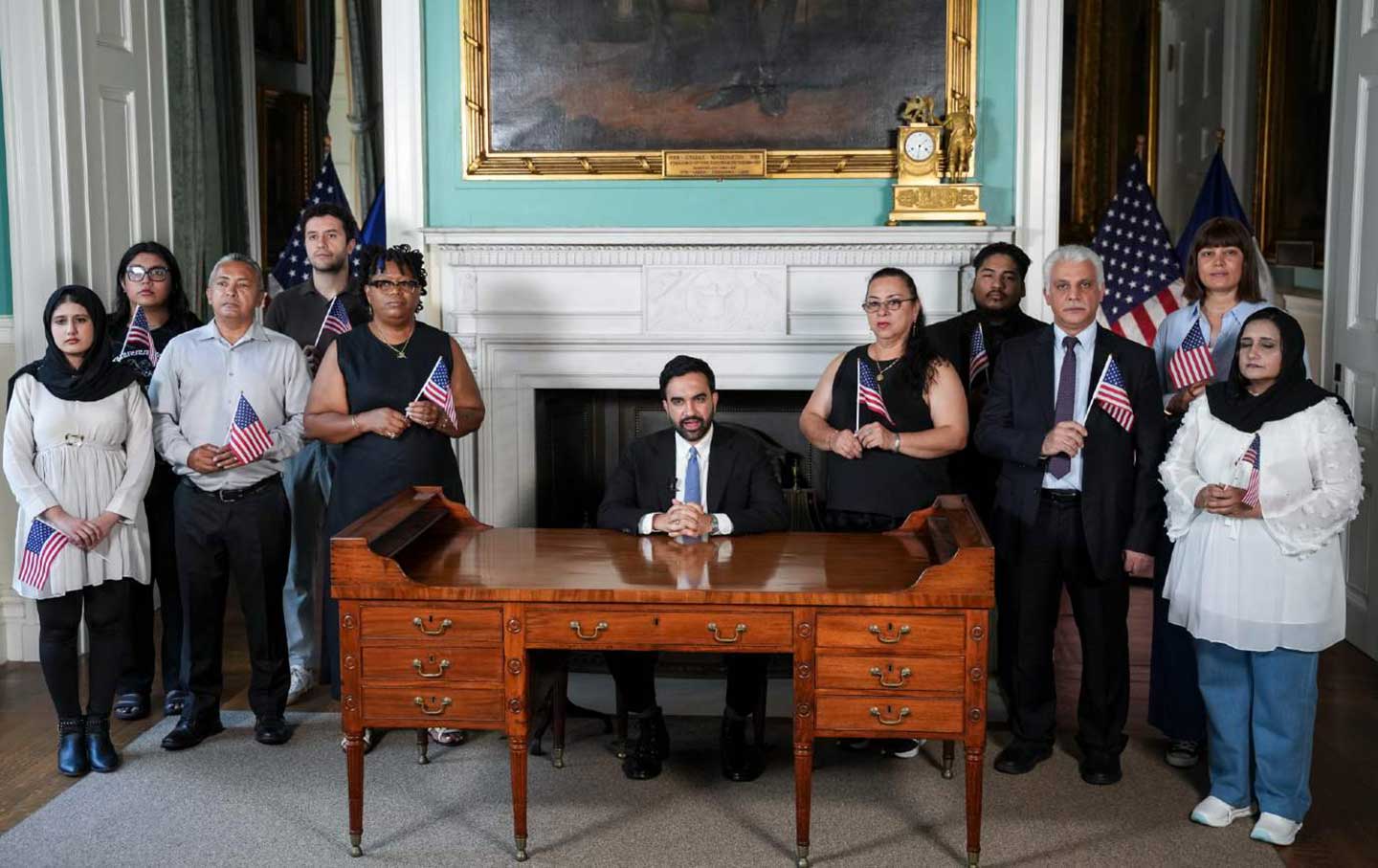
As the United States approaches its 250th anniversary, the mechanics of American self-governance face renewed scrutiny regarding voter access, civic participation, and the durability of democratic institutions. Zohran Mamdani, a member of the New York State Assembly, has emphasized that the health of this long-standing experiment is visible in the persistent efforts of citizens to participate in the electoral process, regardless of physical challenges or environmental conditions.
“We see America each time those young and old stand in the beating rain or the stifling heat to cast their ballots,” Mamdani observed, framing the act of voting as a definitive expression of the country’s democratic intent. This perspective highlights the ongoing tension between the historical aspirations of the American republic and the contemporary realities of election administration, where voter turnout remains a primary metric for assessing the stability of representative government.
The Evolution of American Civic Participation
The concept of self-governance in the United States has undergone significant transformation since the ratification of the Constitution in 1788, as recorded by the National Archives. Initially, the franchise was largely restricted to property-owning white males, a limitation that has been dismantled through centuries of legislative action, constitutional amendments, and grassroots advocacy. The 15th, 19th, and 26th Amendments represent pivotal shifts in defining who holds the power of the vote, effectively expanding the electorate to include individuals regardless of race, sex, or age (18 and older).
In the modern era, the focus has shifted toward the logistics of access. According to the U.S. Election Assistance Commission, which serves as the federal clearinghouse for information on election administration, the challenges to self-governance today often involve balancing security with accessibility. This includes the implementation of early voting, mail-in ballots, and the management of polling locations to accommodate diverse populations. The “grand experiment” described by Mamdani relies heavily on the ability of municipal and state entities to maintain these systems in a way that minimizes barriers for the average voter.
Challenges to the Democratic Framework
While the act of casting a ballot remains a central tenet of the American system, the institutional framework supporting that act is frequently subject to debate. Legislative bodies at both state and federal levels continue to navigate complex regulations concerning voter identification, polling place staffing, and the certification of results. The Brennan Center for Justice, a nonpartisan law and policy institute, tracks these developments, noting that changes to election laws often trigger litigation regarding their impact on turnout and equal protection under the law.
The sentiment expressed by Mamdani underscores a broader argument in political science: that the legitimacy of the American state is derived not merely from its founding documents, but from the continuous, active consent of its governed population. When citizens endure significant wait times or harsh conditions to vote, it serves as an indicator of the value placed on that consent. However, policymakers remain divided on whether the current infrastructure is sufficient to meet the demands of a growing and increasingly mobile electorate.
Looking Toward the Semiquincentennial
As the nation prepares for its 250th anniversary in 2026, the U.S. Semiquincentennial Commission has begun coordinating efforts to commemorate the milestone. The focus of these discussions is often on the resilience of the democratic experiment. For officials and advocates alike, the upcoming anniversary serves as a deadline for evaluating how well the current system of self-governance addresses the needs of its citizens.

The discourse surrounding this anniversary often centers on whether the original framework of 1776 is flexible enough to handle 21st-century issues, such as digital misinformation, campaign finance transparency, and partisan polarization. As Mamdani suggests, the focus remains on the individual voter. The degree to which citizens continue to engage with these systems will likely determine the trajectory of the American experiment in the decades following its 250th year.
The next major milestone for the American electoral calendar involves the upcoming cycle of local and national primary elections, where states will continue to test new administrative procedures and voter outreach initiatives. Readers interested in the specific regulations governing their local districts can find verified polling information and registration requirements through the official government portal, USA.gov. We encourage readers to share their perspectives on the evolution of American democracy in the comments section below.