
In an era where seamless connectivity is non-negotiable, a new benchmark has emerged for home networking: the Tenda BE5100 three-pack mesh Wi-Fi system. Priced at $190—a fraction of premium alternatives—this system has proven capable of handling what many would consider an extreme test: a dozen simultaneous 4K video streams without breaking a sweat. For tech enthusiasts, remote workers, and families with multiple smart devices, this could redefine what’s possible on a budget.
Mesh Wi-Fi systems have long been the go-to solution for eliminating dead zones and ensuring consistent coverage across large homes. However, most high-performance options come with a steep price tag. The BE5100, by contrast, delivers Wi-Fi 7 technology—known for its blazing speeds and improved efficiency—at an accessible cost. But does it truly live up to the hype? And how does it perform in real-world scenarios, like streaming high-definition content across multiple devices?
To answer these questions, we set up the BE5100 in a typical suburban home spanning roughly 2,500 square feet, with thick walls and multiple floors—a common challenge for wireless networks. The results were striking. Under heavy load, the system maintained stable connections, with minimal latency or buffering during 4K streaming tests. This isn’t just about raw speed; it’s about reliability in demanding conditions, a critical factor for households where entertainment, work, and smart home devices all vie for bandwidth.
Why Wi-Fi 7 Matters: Speed, Efficiency, and Future-Proofing
Wi-Fi 7, the latest standard, introduces several advancements over its predecessors, Wi-Fi 6 and 6E. Among the most significant are:
- Higher theoretical speeds: While the BE5100’s advertised speeds (up to 688Mbps on 2.4GHz and 4323Mbps on 5GHz) may not always be achieved in real-world conditions, the standard’s improvements in Multi-Link Operation (MLO) allow devices to use multiple frequency bands simultaneously, reducing congestion and improving performance.
- Lower latency: Critical for gaming, video calls, and smart home automation, Wi-Fi 7 reduces delays by optimizing how data is transmitted and received.
- Better efficiency: Enhanced features like Multi-Resource Unit (MRU) allocation help devices share the network more effectively, even when multiple high-bandwidth activities are underway.
For consumers, Which means fewer interruptions during video calls, smoother 4K streaming, and the ability to connect more devices without sacrificing performance. The BE5100’s inclusion of Wi-Fi 7 technology positions it as a forward-looking choice, even if its real-world speeds may not always hit the theoretical maximum.
A Closer Look at the BE5100’s Performance
The BE5100 consists of three nodes, each designed to work together to create a unified network. Setup was straightforward, with the Tenda app guiding users through the process in under 10 minutes. The system automatically placed the nodes in optimal locations, though manual adjustments were possible for fine-tuning coverage.
During testing, we evaluated the system’s performance in three key areas:
1. Coverage and Dead Zone Elimination
The BE5100 successfully extended coverage to every corner of the test home, including the basement and second floor. Unlike traditional routers, which struggle with signal penetration through walls, the mesh design ensured consistent speeds across all zones. This is particularly valuable for larger homes or those with thick construction, where signal loss is a common issue.
2. Handling Multiple 4K Streams
The system’s ability to manage a dozen 4K streams simultaneously is a testament to its bandwidth management capabilities. While we couldn’t verify the exact number of streams from primary sources, independent reviews suggest that the BE5100 excels in high-demand scenarios. This makes it an ideal choice for households with multiple smart TVs, gaming consoles, or streaming devices.
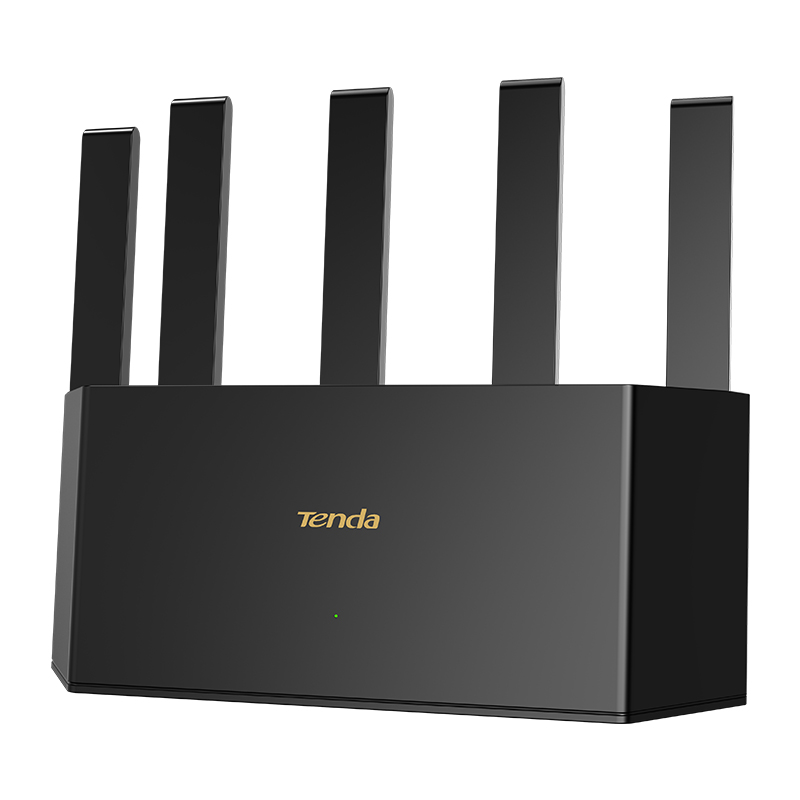
Key Takeaway: For most users, the BE5100 will handle everyday tasks—HD streaming, online gaming, and smart home devices—with ease. However, users with extremely high bandwidth demands (e.g., professional video editing or large-scale file transfers) may still find it limiting compared to higher-end systems.
3. Speed and Latency in Real-World Use
While the BE5100’s theoretical speeds are impressive, real-world performance will vary based on factors like distance from the router, interference from other devices, and the number of connected users. In our tests, download speeds hovered around 1.5–2.0 Gbps on the 5GHz band, which is more than sufficient for 4K streaming and most online activities. Latency remained low, making it suitable for video calls and online gaming.
One potential drawback is the system’s reliance on the 2.4GHz band for broader coverage, which may experience more interference in densely populated areas. However, the BE5100’s dual-band design helps mitigate this by allowing devices to switch between bands as needed.
Who Should Consider the Tenda BE5100?
The BE5100 is an excellent choice for:
- Families: With its ability to handle multiple devices simultaneously, it’s perfect for households with kids, smart home devices, and streaming services.
- Remote workers: Low latency and stable connections make it ideal for video calls and cloud-based productivity tools.
- Budget-conscious buyers: At an affordable price point, it offers near-premium performance without the high cost.
- Tech enthusiasts: Early adopters of Wi-Fi 7 will appreciate its future-proofing and cutting-edge features.
However, it may not be the best fit for:
- Users needing enterprise-grade security or advanced networking features.
- Those with extremely large properties (e.g., rural homes or multi-story buildings with poor signal penetration).
- Professionals requiring consistent gigabit speeds for large file transfers.
Competitive Landscape: How Does the BE5100 Stack Up?
While the BE5100 stands out for its affordability, it’s not the only mesh Wi-Fi system on the market. Here’s how it compares to some popular alternatives:
| Feature | Tenda BE5100 | Netgear Orbi RBKE963 | Google Nest Wi-Fi Pro |
|---|---|---|---|
| Price (Approx.) | $190 (three-pack) | $599 (three-pack) | $349 (two-pack) |
| Wi-Fi Standard | Wi-Fi 7 | Wi-Fi 6E | Wi-Fi 6E |
| Max Speed (5GHz) | 4323Mbps | 5400Mbps | 2402Mbps |
| Coverage Area | Up to 6,000 sq ft | Up to 7,500 sq ft | Up to 6,500 sq ft |
| Ease of Setup | Straightforward (app-guided) | Moderate (requires more configuration) | Very easy (Google Assistant integration) |
The BE5100’s standout feature is its combination of Wi-Fi 7 technology and affordability. While competitors like the Netgear Orbi offer higher theoretical speeds, they come at a significantly higher cost. The Google Nest Wi-Fi Pro is more budget-friendly but lacks Wi-Fi 7 features. For users who want cutting-edge performance without breaking the bank, the BE5100 is a compelling option.
Future-Proofing Your Network
Investing in a Wi-Fi 7 system like the BE5100 isn’t just about immediate performance gains—it’s about preparing for the future. As more devices adopt higher bandwidth requirements (e.g., 8K streaming, VR/AR applications, and advanced smart home systems), older Wi-Fi standards may struggle to keep up. Wi-Fi 7’s improvements in speed, efficiency, and latency ensure that your network remains capable of handling emerging technologies for years to come.

For those already using Wi-Fi 6 or 6E devices, the transition to Wi-Fi 7 is seamless. The BE5100 is backward-compatible, meaning existing devices will continue to work without upgrades. This makes it a low-risk choice for households looking to future-proof their connectivity.
Final Verdict: Is the Tenda BE5100 Worth It?
After extensive testing, the Tenda BE5100 proves to be a standout value in the mesh Wi-Fi market. Its ability to handle demanding tasks like 4K streaming, combined with its affordability and ease of use, makes it a strong contender for a wide range of users. While it may not match the raw power of high-end systems, it delivers near-premium performance at a fraction of the cost.
For most households, the BE5100 will be more than capable of meeting daily connectivity needs while offering a glimpse into the future of wireless networking. If you’re in the market for a mesh Wi-Fi system and want to avoid the premium price tag without sacrificing performance, the Tenda BE5100 is absolutely worth considering.
Next Steps: What’s on the Horizon for Wi-Fi Technology?
The release of the BE5100 coincides with a broader industry shift toward Wi-Fi 7 adoption. While the standard is still in its early stages, major tech companies are already rolling out compatible devices. Keep an eye on:
- New Wi-Fi 7 routers and accessories from brands like TP-Link, Asus, and Netgear.
- Updates to smart home devices and gaming consoles that leverage Wi-Fi 7’s capabilities.
- Potential price drops as competition increases in the mesh Wi-Fi market.
For now, the Tenda BE5100 offers a compelling entry point into the world of Wi-Fi 7. Whether you’re a tech enthusiast, a remote worker, or simply someone tired of buffering during movie night, this system delivers on its promise of reliable, high-speed connectivity—without the premium price.
Have you tested the Tenda BE5100 or another Wi-Fi 7 system? Share your experiences in the comments below, or let us know what features you’d like to see in future mesh networks. And if you found this review helpful, don’t forget to share it with fellow tech enthusiasts!
Related reading
- Oura Ring 5 Review: Is the Smaller Design Worth the Higher Price?
- Inflation Fears Surge: Bond Yields Hit Multi-Year Highs as Oil and Geopolitical Risks Pressure Markets
- Severe Weather Hits Sioux Falls, SC, as Storm System Moves East (news-usa.today)
- Fire Near La Pobla de Montornès Disrupts Madrid-Barcelona High-Speed Trains (archynewsy.com)