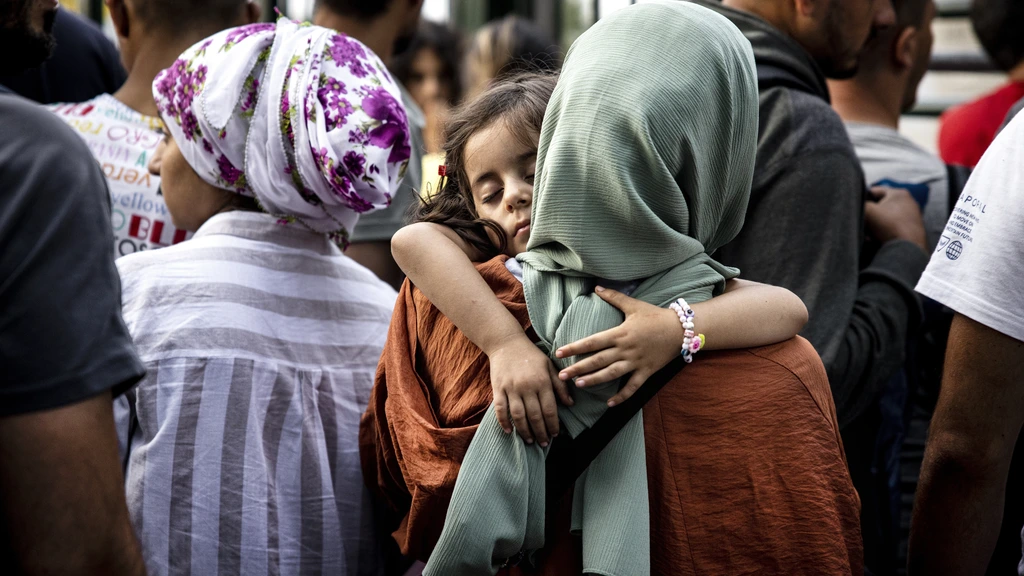
The situation at the registration center in Ter Apel, the primary gateway for asylum seekers entering the Netherlands, has once again reached a critical juncture. Persistent overcrowding has led to renewed concerns regarding the capacity of the Dutch asylum system, as officials and support organizations grapple with the logistical challenges of providing adequate shelter. For those monitoring the stability of the national reception framework, the recurring pressure at this specific facility remains a central indicator of broader systemic strain.
As the primary intake location, Ter Apel often acts as a barometer for the overall health of the Dutch asylum process. Recent reports from the Central Agency for the Reception of Asylum Seekers (COA) underscore the intense operational pressure the facility faces, particularly during periods of high intake volume. When the number of individuals arriving exceeds the available bed capacity, the agency is forced to implement emergency measures to ensure that no one is left without a roof over their head, even if that means utilizing temporary, non-traditional sleeping arrangements.
Understanding the Operational Strain in Ter Apel
The core of the issue lies in the mismatch between the facility’s intended capacity and the actual number of asylum seekers arriving on a daily basis. The COA, which operates under the mandate of the Dutch Ministry of Justice and Security, is responsible for the professional and humane reception of asylum seekers, as outlined in the official mission statements provided by the agency. When these facilities reach their maximum capacity, the resulting “overcrowding” creates a ripple effect that impacts local municipal services, security and the well-being of the individuals involved.
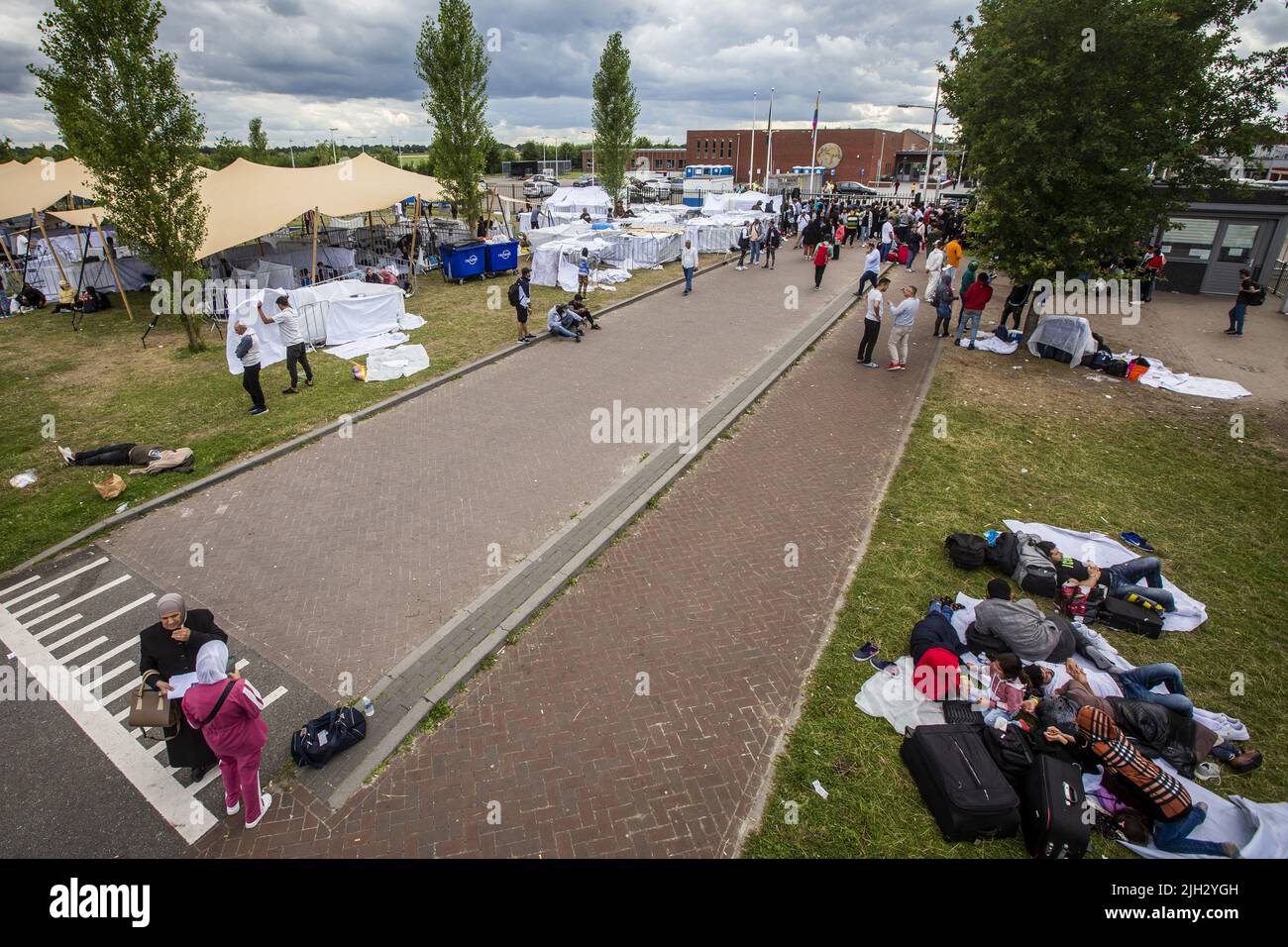
Local authorities in the municipality of Westerwolde, where Ter Apel is situated, have frequently voiced their concerns regarding the sustainability of these conditions. The tension between the national government’s need for an intake hub and the local community’s capacity to absorb such numbers has been a recurring theme in Dutch domestic policy. According to data provided by the Dutch government’s official asylum policy portal, the management of reception centers is subject to strict legal requirements regarding health, safety, and human dignity, which are periodically monitored by oversight bodies.
The Human Impact of Capacity Shortages
When the Ter Apel facility operates beyond its capacity, the immediate consequences are felt by the asylum seekers themselves. Reports of people having to wait in communal areas or relying on temporary seating reflect the strain on the system’s infrastructure. These conditions are widely regarded by human rights organizations and government watchdogs as unsustainable in the long term. The challenge for the COA is to balance the immediate need for shelter with the requirement to maintain a safe and orderly registration process.
The logistical difficulty is further compounded by the necessity of moving individuals out of the registration center and into longer-term housing across the country. This “flow-through” process is dependent on the availability of municipal housing, which has been a persistent bottleneck. As noted in official communications from the Association of Netherlands Municipalities (VNG), the cooperation between central government and local municipalities is essential to ensuring that the intake process functions as intended.
What Happens Next: Monitoring the Situation
The situation in Ter Apel is not a static event but a developing operational challenge. The Ministry of Justice and Security, alongside the COA, maintains ongoing monitoring of intake volumes to determine if additional emergency measures are required. Future updates regarding the status of the facility are typically communicated through official government press briefings and the COA’s own reporting channels.

For those interested in the official policy developments, the House of Representatives (Tweede Kamer) regularly holds debates and committee meetings regarding asylum and migration policy. These sessions provide the most accurate record of legislative responses to the ongoing challenges at the Ter Apel registration center. The next scheduled parliamentary updates on migration and asylum reception can be tracked via the official legislative agenda.
As this remains a complex and evolving issue, we encourage our readers to stay informed through primary government sources and verified reporting outlets. If you have questions or insights regarding the broader implications of these developments, we invite you to contribute to the conversation in the comments section below.
Worth a look