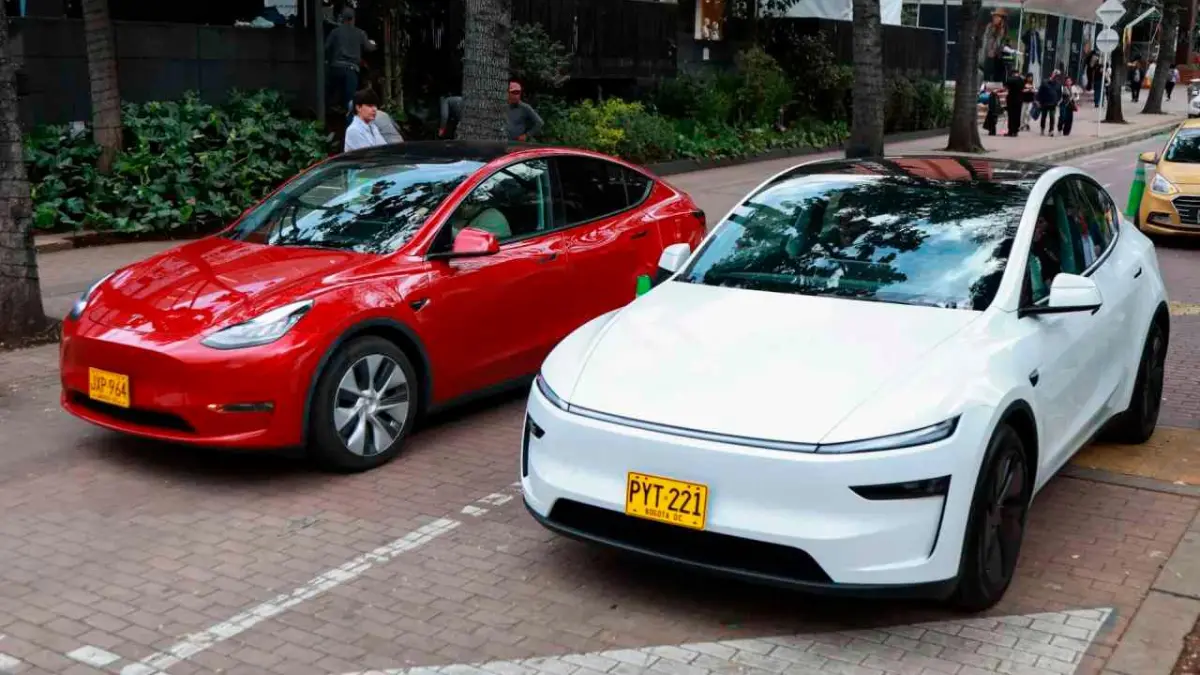
In Medellín, Colombia, Tesla vehicles have become a common sight on city streets, with more than 1,000 units now registered and operating in the metropolitan area. This rapid adoption reflects a broader shift toward electric mobility in Colombia’s second-largest city, driven by government incentives, growing charging infrastructure, and increasing consumer interest in sustainable transportation. The presence of Teslas in Medellín has sparked public discussion about the future of urban mobility, the economic benefits of electric vehicles, and the challenges of scaling EV adoption in emerging markets.
The surge in Tesla ownership in Medellín aligns with national trends showing rising demand for electric cars across Colombia. According to verified reports, Tesla officially opened orders in Colombia in early 2024, with prices starting from $29,400 for its most affordable model. This pricing strategy, combined with tax exemptions and reduced import duties under Colombia’s electric mobility law, has made Tesla vehicles more accessible to Colombian consumers than in many other Latin American markets. The vehicles are no longer limited to early adopters or high-income buyers but are increasingly seen by ride-hailing drivers, corporate fleets, and environmentally conscious professionals.
Local authorities in Medellín have supported this transition through targeted policies. The city has expanded its network of public charging stations, particularly in commercial districts and residential complexes, and has granted electric vehicles exemptions from pico y placa restrictions—traffic limitations based on license plate numbers that apply to conventional vehicles during peak hours. These incentives significantly improve the practicality of owning an electric car in a city known for congestion and air quality challenges.
Beyond convenience, electric vehicles offer measurable operational savings. Studies cited in Colombian media indicate that switching from gasoline to electric power can reduce operating costs by up to 40% due to lower energy prices and reduced maintenance needs. Electric motors have fewer moving parts than internal combustion engines, eliminating the need for oil changes, exhaust system repairs, and frequent brake replacements thanks to regenerative braking. For high-mileage users like taxi and delivery drivers, these savings accumulate quickly, improving the total cost of ownership despite higher upfront prices.
However, the growth of Tesla and other EVs in Medellín is not without debate. Some analysts warn of an “Efecto Tesla,” describing market pressures where premium EV pricing influences resale values and creates uncertainty in the used car sector. Others raise concerns about the long-term sustainability of lithium mining, battery recycling capacity, and the strain on Colombia’s electrical grid if EV adoption accelerates without corresponding upgrades to renewable energy generation. While Colombia’s grid is already over 70% hydroelectric—making it one of the cleanest in the region—experts caution that increased demand must be managed carefully to avoid reliance on fossil-fuel-based backup power during dry seasons.
When comparing Tesla to other electric vehicle brands available in Colombia, such as BYD, experts note differences in pricing, service networks, and technology features. Tesla’s over-the-air software updates, Supercharger access (where available), and brand recognition remain key differentiators, while BYD often competes on lower entry prices and stronger local presence through partnerships with Colombian distributors. Consumers are increasingly evaluating total cost of ownership, warranty terms, and charging convenience when choosing between brands.
Maintenance costs for electric vehicles in Colombia remain a point of interest for prospective buyers. While specific figures vary by model and usage, verified reports confirm that EVs generally incur lower routine maintenance expenses than gasoline-powered vehicles. The absence of traditional engine maintenance, combined with longer brake life and simpler drivetrains, contributes to these savings. However, battery replacement costs—though rare within the first eight to ten years—remain a consideration, prompting some buyers to seek extended warranties or leasing options.
As of April 2026, there are no announced changes to national electric vehicle incentives, but industry stakeholders continue to monitor potential adjustments to import tariffs and tax policies. The Colombian Ministry of Transport has not scheduled any immediate revisions to Law 1964 of 2019, which governs electric mobility incentives, though periodic reviews are expected as part of the country’s broader climate action plan. For the most current information on EV regulations, charging station locations, and purchase incentives, consumers are directed to the official portal of Colombia’s Ministry of Mines and Energy.
The rise of Tesla in Medellín represents more than a trend in luxury car ownership—it signals a tangible shift in how Colombians think about transportation, energy use, and urban sustainability. As charging infrastructure expands and battery technology improves, electric vehicles are poised to play an increasingly central role in Colombia’s efforts to reduce emissions and modernize its mobility systems.
To stay informed about developments in Colombia’s electric vehicle market, readers can follow updates from the Ministry of Mines and Energy and participate in public forums on sustainable transportation hosted by Medellín’s municipal government.
Worth a look