
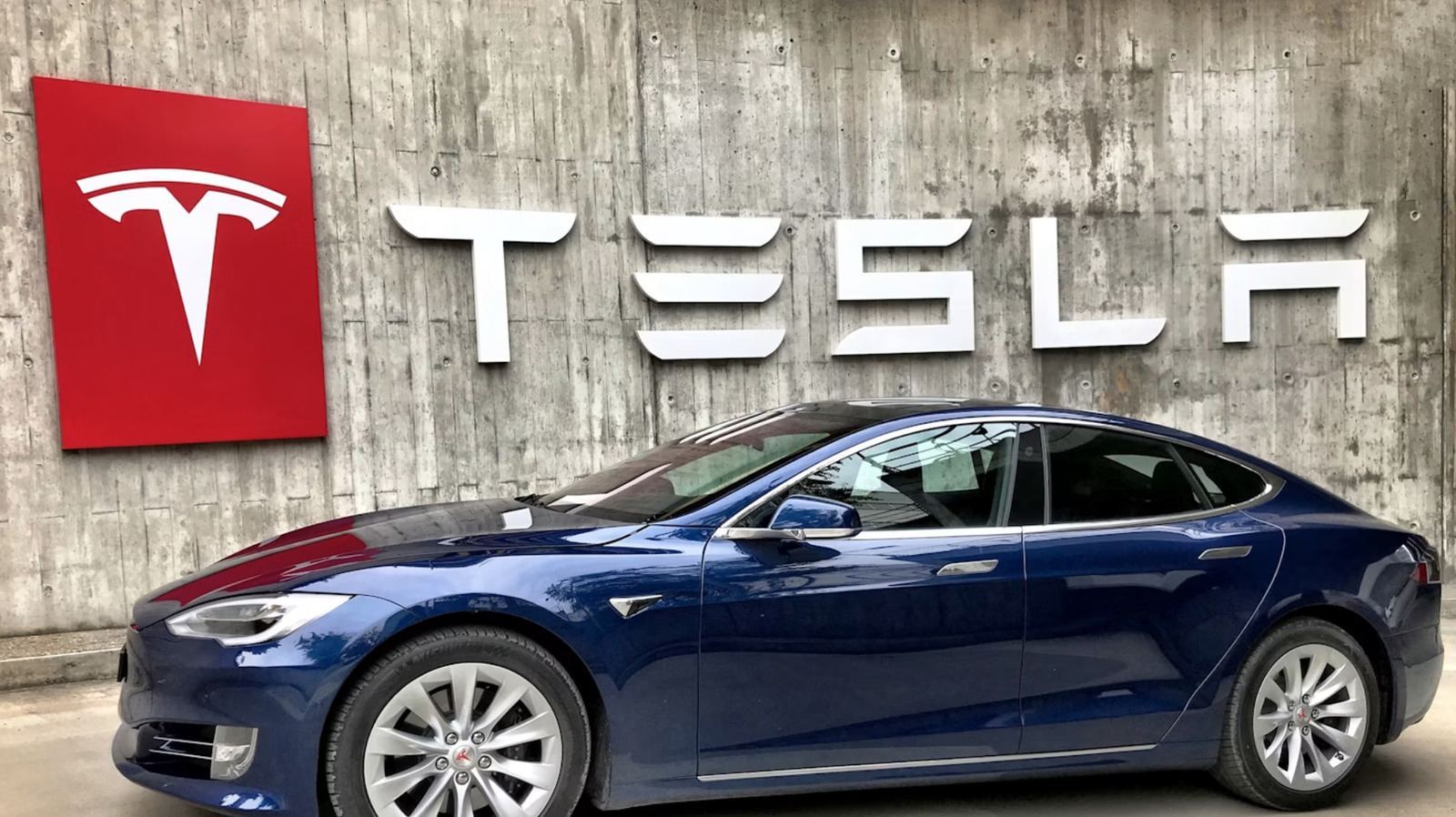
Tesla reported a 25 percent increase in vehicle deliveries for the second quarter of 2024 compared to the same period in the previous year, signaling a recovery in sales volume following a challenging start to the fiscal year. According to the company’s official second-quarter 2024 production and delivery report, Tesla delivered 443,956 vehicles during the period, exceeding analyst expectations and reversing a decline observed in the first quarter.
Understanding the Q2 Delivery Surge
The recent delivery figures represent a significant turnaround for the Austin-based electric vehicle manufacturer. In the first quarter of 2024, Tesla experienced its first year-over-year decline in deliveries since 2020, citing global supply chain constraints and production ramp-ups. The second-quarter results show the company produced 410,831 vehicles and delivered 443,956, narrowing the gap between production and inventory levels, as noted in the company’s SEC filings.

Industry analysts have pointed to aggressive pricing strategies and financing incentives as primary drivers for the uptick in consumer interest. By offering lower interest rates and localized price adjustments, Tesla has managed to stimulate demand in key markets, including North America and China. The Model 3 and Model Y continue to account for the vast majority of these deliveries, maintaining their position as the core pillars of the company’s automotive revenue stream.
Market Dynamics in Europe and Beyond
While domestic demand remains a critical component of Tesla’s performance, the company has also been focusing on increasing its footprint within the European market. Data from the European Automobile Manufacturers’ Association (ACEA) confirms that electric vehicle adoption rates are fluctuating across the continent, yet Tesla remains a dominant force in the segment. The company’s ability to leverage its Gigafactory Berlin-Brandenburg facility has allowed for more efficient logistics and reduced delivery lead times for European customers compared to importing vehicles from overseas production hubs.
Despite this growth, the automotive sector faces broader macroeconomic headwinds, including high interest rates and shifting government subsidy policies. In Germany, the abrupt termination of federal purchase incentives for electric vehicles earlier this year created a temporary cooling effect on sales, according to reports from Reuters. Tesla has responded by adjusting its strategy to maintain competitiveness without relying solely on state-sponsored support.
What Happens Next for Tesla
Investors and stakeholders are now looking toward the next major checkpoint: the company’s full second-quarter financial results. Tesla has confirmed it will post its financial results for the quarter ended June 30, 2024, after market close on July 23, 2024, via its Investor Relations website. This report is expected to provide deeper insight into how the surge in deliveries has impacted profit margins, particularly as the company continues to invest heavily in artificial intelligence and autonomous driving software.
The tech industry remains focused on whether this delivery momentum can be sustained through the remainder of the year. With increased competition from legacy automakers and emerging EV brands in China, Tesla’s ability to maintain its market share will likely depend on its capacity to balance production efficiency with the demand for its refreshed vehicle lineup. We invite our readers to share their thoughts on these figures and the future of the electric vehicle market in the comments section below.