Tetanus, a serious neurological condition caused by the bacterium Clostridium tetani, remains a significant global public health concern despite the widespread availability of preventative vaccines. Known colloquially as “lockjaw,” the disease manifests through painful muscle contractions, particularly in the jaw and neck, and can lead to life-threatening complications if left untreated. According to the World Health Organization (WHO), tetanus is not contagious from person to person but is acquired through exposure to spores found in soil, dust, and manure that enter the body via broken skin.
As a physician based in Berlin, I have observed that while vaccination programs have drastically reduced incidence rates in industrialized nations, the spores remain ubiquitous in the environment. Understanding the mechanism of infection, the specific clinical signs, and the rigorous adherence to immunization schedules is essential for everyone, regardless of age or geographic location.
How Tetanus Affects the Human Nervous System
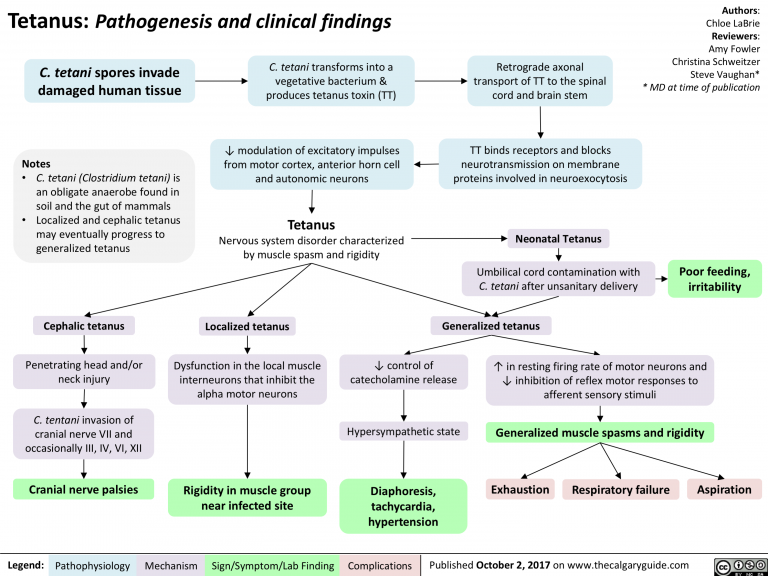
The severity of tetanus stems from a potent neurotoxin produced by Clostridium tetani called tetanospasmin. Once the bacteria enter a wound—often through deep puncture injuries, burns, or contaminated surgical sites—they thrive in the low-oxygen environment of the tissue. The Centers for Disease Control and Prevention (CDC) notes that the neurotoxin travels via the bloodstream and lymphatic system to the central nervous system, where it interferes with the nerve signals that control muscle movement.

This interference blocks the release of neurotransmitters that normally inhibit muscle contraction, leading to uncontrolled, involuntary muscle spasms. The onset of these symptoms typically occurs between three and 21 days after exposure, with a median incubation period of approximately 10 days. The shorter the incubation period, the more severe the clinical presentation is likely to be.
Recognizing the Clinical Symptoms
The most recognizable sign of the infection is trismus, or “lockjaw,” which involves the tightening of the jaw muscles, making it difficult for the patient to open their mouth or swallow. As the toxin spreads, the spasms often progress to other muscle groups, including the neck, chest, and abdomen. According to the Mayo Clinic, patients may experience:

- Stiffness in the abdominal muscles.
- Painful body spasms triggered by minor stimuli, such as loud noises, physical touch, or light.
- Fever and excessive sweating.
- Elevated blood pressure and rapid heart rate (tachycardia).
In severe cases, the spasms can be intense enough to cause bone fractures or muscle tears. Respiratory failure is a primary cause of mortality in untreated or improperly managed cases, as the muscles involved in breathing become paralyzed or locked in contraction.
Prevention Through Immunization
Vaccination is the only effective way to prevent tetanus. The tetanus toxoid vaccine is typically administered as part of a combination vaccine, such as the DTaP (diphtheria, tetanus, and acellular pertussis) for children, or the Tdap booster for adolescents and adults. The European Centre for Disease Prevention and Control (ECDC) emphasizes that immunity is not lifelong; therefore, booster doses are required every 10 years to maintain protective antibody levels.
If an individual sustains a wound, especially one that is dirty or deep, medical professionals evaluate the patient’s vaccination status. If the last booster was administered more than five years ago, or if the patient’s history is unknown, a tetanus toxoid booster and, in some instances, tetanus immune globulin (TIG) may be administered to provide immediate, passive immunity. Proper wound management—including thorough cleaning and the removal of foreign debris—remains a critical component of post-exposure prophylaxis.
Why It Matters for Public Health
Tetanus is a non-immunizing disease, meaning that surviving an infection does not provide natural immunity. This underscores the necessity of continuous vaccination efforts. In many parts of the world, maternal and neonatal tetanus remain significant challenges, often occurring due to unhygienic umbilical cord care during childbirth. Global health initiatives led by the WHO have successfully targeted the elimination of maternal and neonatal tetanus through increased access to skilled birth attendants and routine immunization for women of reproductive age.
For the general population, the risk is often underestimated. Adults who believe they are protected because they were vaccinated as children may have waning immunity. I strongly advise all patients to review their immunization records with their primary care physician. Staying updated with the recommended schedule is a simple, highly effective medical intervention that prevents a preventable and devastating disease.
Health authorities, including national ministries of health, provide periodic updates on vaccine availability and regional immunization guidelines. Residents should consult their local health department or official government health portals to verify their specific regional requirements and the locations of immunization clinics.
Have you checked your vaccination records recently? Understanding your status is the first step in long-term health protection. Please share your thoughts or questions in the comments section below.
Worth a look