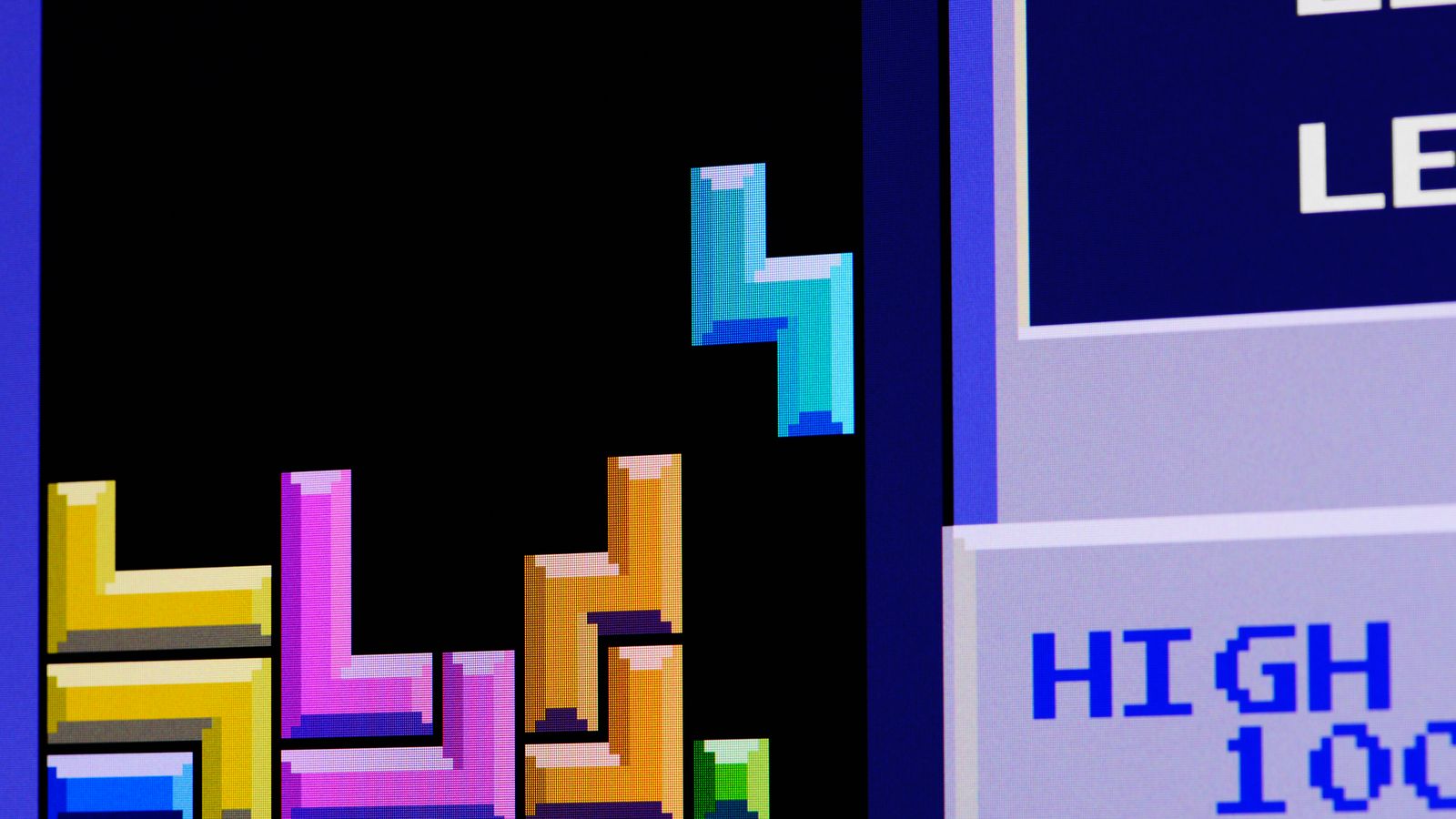
Los Angeles, CA – In a surprising development that could reshape how we approach trauma recovery, a new study reveals that playing the classic video game Tetris may significantly reduce the distressing memories associated with post-traumatic stress. The research, conducted by scientists in the United Kingdom and Sweden, offers a potentially accessible and scalable intervention for individuals grappling with the lingering effects of traumatic experiences, particularly relevant in the wake of widespread trauma experienced during the COVID-19 pandemic.
The findings, published this month, center around a technique called imagery competing task intervention (ICTI). This involves having patients briefly recall a traumatic memory while simultaneously playing a unhurried-paced version of Tetris, focusing on visualizing the falling blocks and the game’s grid. Researchers believe this process weakens the emotional intensity of the intrusive memories by occupying the brain’s visuospatial processing centers – the areas responsible for analyzing and understanding physical space. This innovative approach offers a stark contrast to traditional, often resource-intensive, PTSD therapies.
The study, a randomized controlled trial, involved 99 National Health Service (NHS) staff members in the UK who had been exposed to workplace trauma during the height of the COVID-19 pandemic. According to research published by the University of Cambridge, PTSD prevalence among NHS staff increased from 13% before the pandemic to 25% at its peak, placing immense strain on the healthcare system and highlighting the urgent need for effective and accessible mental health support. Forty of the participants received the Tetris-based ICTI treatment, while others were given alternative interventions, including listening to music by Mozart accompanied by podcasts about the composer, or standard care.
How Tetris Disrupts Traumatic Memories
The core principle behind ICTI lies in the brain’s limited capacity to process competing visual information. When a traumatic memory is triggered, it often manifests as vivid, intrusive images. By engaging in a visually demanding task like Tetris, the brain’s visuospatial resources are diverted, effectively disrupting the consolidation of the traumatic memory. Emily Holmes, a professor of psychology at Uppsala University and lead author of the study, explained that “even a single, fleeting intrusive memory of past trauma can exert a powerful impact in daily life by hijacking attention and leaving people at the mercy of unwanted and intrusive emotions.” She further noted that by weakening the sensory aspects of these memories, the intervention can reduce the frequency and intensity of flashbacks.
The results were compelling. Within four weeks of treatment, participants who engaged in the ICTI intervention experienced a ten-fold reduction in the number of flashbacks compared to the control groups. Perhaps even more encouraging, after six months, 70% of those who received the Tetris treatment reported having no intrusive memories at all. The treatment also demonstrated a positive impact on overall PTSD symptoms, suggesting a broader therapeutic benefit beyond simply reducing flashbacks. This is particularly significant given the challenges in accessing traditional PTSD therapies, which are often resource-intensive and require multiple sessions with specialists.
Accessibility and Scalability: A Game Changer for Mental Health?
One of the most promising aspects of the ICTI approach is its potential for widespread implementation. Tayla McCloud, research lead for digital mental health at Wellcome, the organization that funded the study, emphasized the intervention’s “enormous” impact, noting that it is “rare to spot something so accessible, scalable and adaptable across contexts.” The simplicity of the treatment – requiring only access to the Tetris game – means it can be delivered remotely, potentially reaching individuals in underserved communities or those facing barriers to traditional mental healthcare. The treatment doesn’t require patients to verbally recount their trauma, which can be a significant hurdle for many individuals.
The game itself, created in 1984 by Soviet software engineer Alexey Pajitnov, has a long-standing history of influencing perception. The “Tetris Effect,” a cognitive phenomenon where people begin to see shapes from the game in their everyday surroundings, demonstrates the game’s powerful ability to engage and reshape visual processing. While the Tetris Effect is typically a harmless quirk, researchers believe the underlying mechanisms are relevant to the therapeutic benefits observed in the ICTI intervention.
Beyond the NHS: Potential Applications and Future Research
While the initial study focused on NHS staff exposed to trauma during the COVID-19 pandemic, researchers are optimistic about the broader applicability of the ICTI approach. Potential applications extend to veterans, first responders, individuals who have experienced accidents or natural disasters, and anyone struggling with the aftermath of traumatic events. The team is currently planning larger-scale trials to further validate the findings and explore the optimal parameters of the intervention, such as the duration of gameplay and the timing of treatment relative to the traumatic event.
The success of this study also highlights the growing recognition of the potential for digital interventions in mental healthcare. As technology continues to advance, innovative approaches like ICTI offer a promising pathway towards more accessible, affordable, and effective treatments for a wide range of mental health conditions. The simplicity and low cost of the intervention could be particularly valuable in addressing the global mental health crisis, which has been exacerbated by the pandemic and other ongoing stressors.
Key Takeaways
- Tetris as Therapy: A new study demonstrates that playing Tetris can significantly reduce flashbacks and symptoms of PTSD.
- ICTI Explained: The treatment, known as imagery competing task intervention, involves playing Tetris while recalling a traumatic memory.
- Accessibility & Scalability: The intervention is low-cost, easily accessible, and can be delivered remotely, making it a potentially transformative tool for mental healthcare.
- Promising Results: 70% of participants reported no intrusive memories six months after completing the treatment.
Researchers are continuing to investigate the long-term effects of the ICTI intervention and exploring its potential to be combined with other therapeutic approaches. The next phase of research will involve a larger, more diverse sample population to confirm the findings and refine the treatment protocol. Further updates on the study’s progress can be found on the Uppsala University website and through Wellcome Trust publications. The potential for this simple, yet effective, intervention to alleviate suffering and improve the lives of those affected by trauma is substantial, offering a beacon of hope in the field of mental health.
What are your thoughts on this innovative approach to trauma recovery? Share your comments below, and let’s continue the conversation. Don’t forget to share this article with anyone who might benefit from this information.