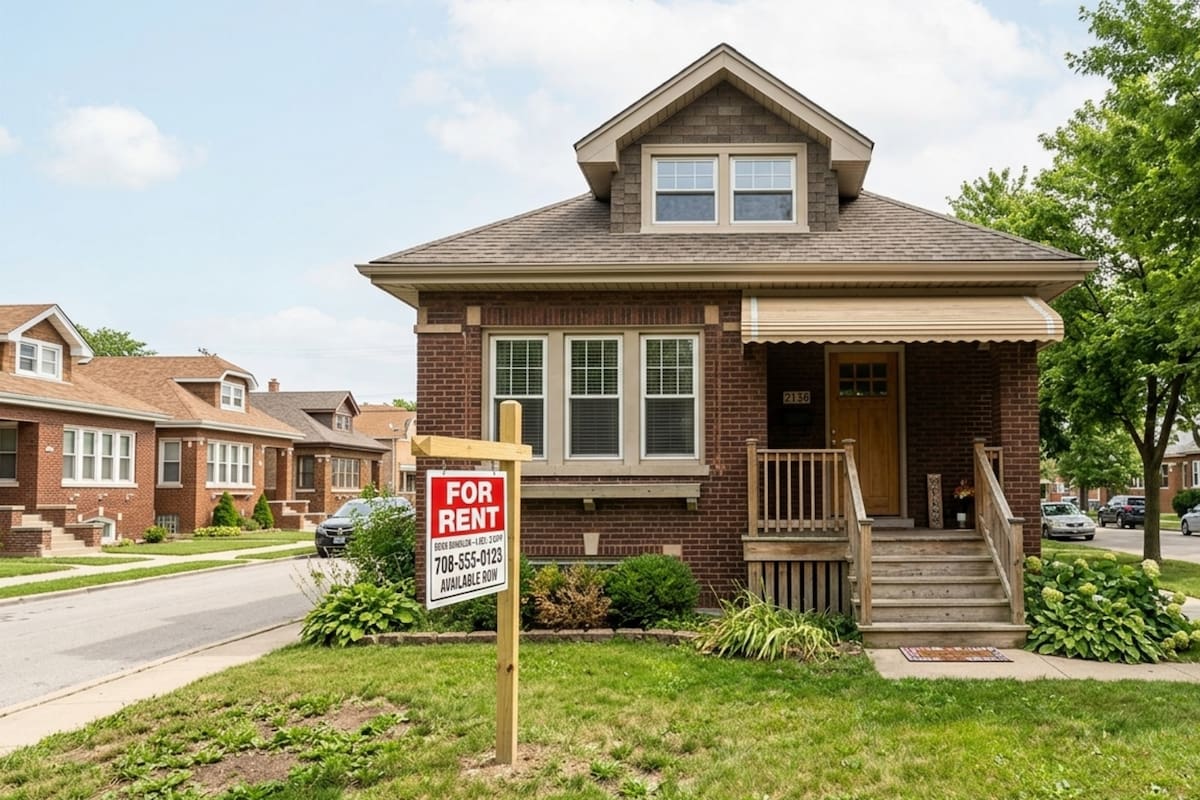
Recent data indicates a cooling trend in rental costs across several major metropolitan areas in Texas, a shift that has drawn attention from federal policymakers and housing analysts alike. As of early 2025, cities such as Austin and San Antonio have seen notable adjustments in year-over-year rent growth, according to reports from the Realtor.com Rental Report, which tracks vacancy and pricing trends across the United States. While market fluctuations are common, the current deceleration in these specific urban hubs is being framed within broader discussions regarding national economic policy and housing supply.
Understanding Rental Market Shifts in Texas
The rental market in Texas has experienced a period of stabilization following several years of rapid price increases. According to industry data, the surge in multi-family housing construction—particularly in the Austin-Round Rock-Georgetown metropolitan area—has increased the inventory of available units, giving tenants more leverage in price negotiations. The U.S. Census Bureau’s Housing Vacancies and Homeownership report highlights that when supply meets or exceeds demand, price growth typically flattens or reverses.

In Austin, for instance, the influx of new apartment complexes has led to a softening of asking rents. Market observers note that this is a direct result of developers responding to the high demand seen between 2021 and 2023. By increasing the number of available units, the market has naturally tempered the rapid escalation of costs that previously defined the region. This trend is not unique to Texas but is highly visible there due to the state’s aggressive approach to multi-family building permits.
Federal Policy and Market Influence
The current administration has increasingly highlighted these localized market improvements as evidence of the effectiveness of recent economic and housing initiatives. Officials within the executive branch have suggested that federal efforts to streamline permitting and provide incentives for developers to build more affordable housing units are contributing to the cooling of rental prices in high-growth states like Texas.

According to the White House fact sheet on housing supply initiatives, the administration’s focus remains on reducing barriers to construction. While the executive branch claims credit for market cooling, independent economists often point to a combination of factors, including interest rate adjustments by the Federal Reserve and the natural maturation of the post-pandemic housing cycle. The interaction between federal policy and local market dynamics remains a subject of ongoing debate among housing policy experts.
Factors Influencing Tenant Costs
Beyond broad economic policy, several micro-factors are influencing the rental landscape in Texas cities. Tenants are currently seeing more concessions, such as “one month free” or waived application fees, as landlords compete to fill vacancies in a saturated market. This shift represents a departure from the competitive bidding wars for rentals that characterized the market in the preceding years.
The following table outlines the key drivers currently impacting rental prices in Texas:
| Driver | Impact on Rent |
|---|---|
| Increased Housing Supply | Downward pressure on prices |
| Interest Rate Environment | Affects developer financing and new starts |
| Migration Patterns | Influences overall demand for urban housing |
Future Outlook and Data Tracking
The trajectory of rental prices will likely depend on the continued pace of new construction and the broader health of the labor market in Texas. Analysts suggest that if the current rate of new unit completions continues, rental prices may remain stable or experience minor declines throughout the remainder of the year. However, if construction slows due to rising labor costs or tighter credit conditions, the downward pressure on rents could subside.

For those tracking these changes, the Department of Housing and Urban Development (HUD) provides updated Fair Market Rent data, which serves as a benchmark for many housing assistance programs. Monitoring these official datasets is essential for understanding whether the current cooling trend is a temporary fluctuation or a sustained shift in the Texas housing market.
The next major update regarding national housing trends is expected in the upcoming quarterly reports from the Bureau of Labor Statistics, which will provide further clarity on the role of shelter costs within the broader Consumer Price Index. We will continue to monitor these developments as they emerge. Please share your thoughts or local observations in the comments section below.