The Erosion of Voting Rights: How the Supreme Court is Reshaping American Democracy
The fight for fair representation in the United States is reaching a critical juncture. recent Supreme Court decisions, notably concerning redistricting in Texas, signal a risky trend: a weakening of the voting Rights Act and a potential entrenchment of partisan and racial gerrymandering. As a long-time observer of American elections and voting rights, I’m deeply concerned about the implications for the future of our democracy.
For decades, the Voting Rights act of 1965 served as a crucial safeguard against discriminatory voting practices, particularly in states with a history of suppressing the votes of minority citizens. A key provision of the Act required certain states with a demonstrated pattern of discrimination to obtain federal pre-clearance before making changes to their voting laws. This ensured that new rules wouldn’t be used to disenfranchise voters of colour.
Though, the Supreme Court’s 2013 Shelby County v. Holder decision effectively gutted this pre-clearance requirement. The Court argued that the conditions that originally justified federal oversight no longer existed. This ruling opened the door for states to enact restrictive voting laws without federal scrutiny, and we’ve seen a surge in such laws in the years since.
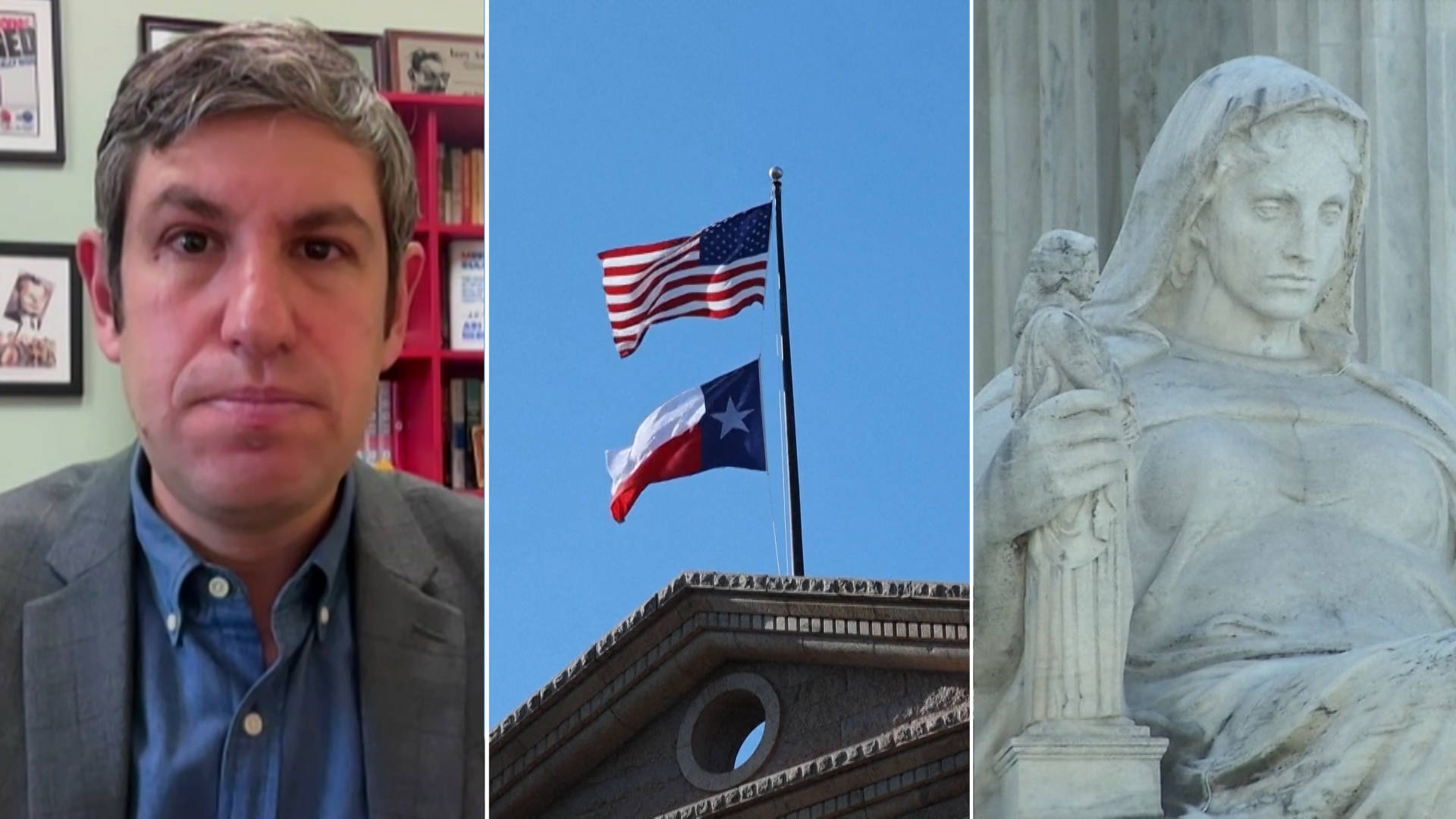
Now, the Roberts Court is taking further steps that threaten to dismantle the remaining protections of the Voting Rights Act. The recent decision regarding Texas’s congressional map is a particularly alarming example. A lower court had found that Texas intentionally drew its maps to dilute the voting power of Black and Latino voters, specifically targeting districts where these communities had been successfully electing their preferred candidates. Yet, the Supreme Court upheld the maps, effectively sanctioning what many see as blatant racial discrimination.
This isn’t simply a legal debate; it’s about power. The Court’s decision in Texas sends a clear message: states are largely free to draw district lines as they see fit, even if it means diminishing the influence of minority voters. This is a stark reversal of decades of legal precedent and a dangerous step towards prioritizing “white power over the power of Black, Latino, Asian American voters,” as the situation was described in a recent interview.
What’s Happening Beyond Texas?
The Texas case isn’t an isolated incident. Across the country, legal battles over redistricting are unfolding, with similar themes of partisan and racial manipulation.
* North Carolina: A federal court recently upheld a map specifically designed to dismantle a district held by a Black Democrat. The only district altered was the one represented by a Black elected official.
* Missouri: Organizers are actively gathering signatures for a referendum to challenge a map that also targets the district of a Black Democrat, Emanuel Cleaver.
* california: While California’s redistricting process was different – driven by a voter-approved referendum – it’s also facing legal challenges. The Supreme Court has signaled skepticism towards the state’s map, suggesting it may also be deemed a partisan gerrymander.
These cases highlight a disturbing pattern: a double standard in how the Court applies the law.Republicans appear to be granted more leeway in their redistricting efforts than Democrats, and the Court has consistently shown a willingness to side with conservative interests.
The Implications for 2024 and Beyond
The likely outcome of these legal battles is a landscape where states have virtually unlimited power to gerrymander districts. This will inevitably lead to more entrenched partisan divisions, less competitive elections, and a system that feels increasingly rigged against the will of the people.
The consequences are profound. When voters feel their voices don’t matter, when districts are drawn to predetermine outcomes, it erodes trust in our democratic institutions. It fuels cynicism and disengagement, and ultimately weakens the foundation of our republic.
What Can Be Done?
The situation is dire, but not hopeless. Here are some critical steps that need to be taken:
* Federal Legislation: Congress must pass legislation to restore the Voting Rights Act, including a modernized pre-clearance formula.
* Independent Redistricting Commissions: More states need to adopt independent redistricting commissions, removing the power to draw district lines from partisan legislatures.
* Grassroots Organizing: Continued grassroots organizing and voter education are essential to empower communities and hold elected officials accountable.
* legal Challenges: Vigilant legal challenges to discriminatory maps are crucial, even in the face of a unfriendly Supreme Court.
The fight for voting rights is a fight for the soul of American democracy. We must remain vigilant, engaged, and committed to ensuring that every citizen has an equal opportunity to participate in the political process. The decisions being