
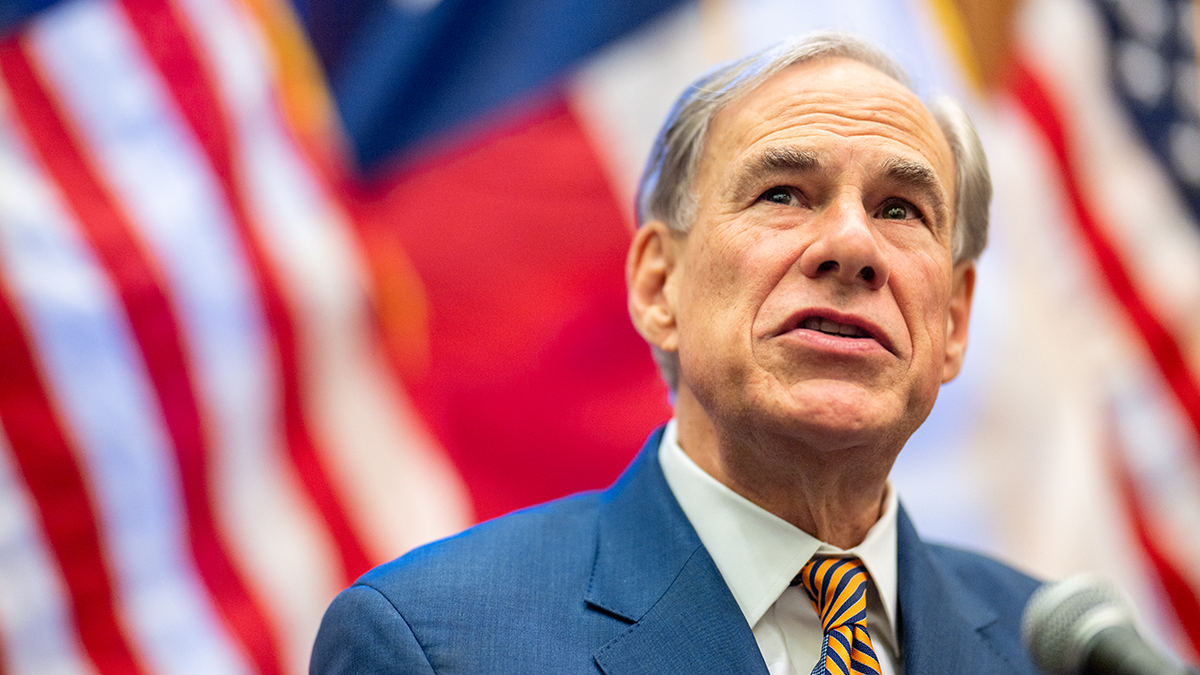
Texas Governor Greg Abbott has intensified his campaign against local immigration policies, employing tactics reminiscent of former President Donald Trump to pressure cities like Houston into aligning with state enforcement priorities. The conflict centers on Houston’s efforts to amend its police department’s cooperation with U.S. Immigration and Customs Enforcement (ICE), a move Abbott has countered with threats to withdraw millions in state funding.
The dispute escalated after Abbott announced plans to freeze $110 million in grants to Houston, citing the city’s proposed changes to its immigration enforcement policy as non-compliant with state law. Houston officials maintain the revisions aim to balance public safety with community trust, particularly in immigrant neighborhoods where fear of deportation has discouraged cooperation with law enforcement.
Abbott’s approach mirrors strategies used during the Trump administration, including public denunciations of local officials, threats of financial penalties, and framing municipal resistance as defiance of federal immigration priorities. His administration has argued that cities must honor state mandates requiring cooperation with ICE detainers, although Houston leaders contend the policy changes comply with both state and federal law while protecting civil rights.
Houston’s Policy Revisions and State Pushback
In early April 2026, the Houston City Council voted to amend its existing ICE policy after Abbott’s office warned of funding consequences. The changes, proposed by Mayor John Whitmire, seek to clarify when Houston Police Department (HPD) officers may honor ICE detainer requests, particularly limiting cooperation in cases involving minor offenses or when individuals are victims or witnesses to crimes.
Civil rights groups have supported the revisions, arguing they prevent racial profiling and protect vulnerable populations from being funneled into deportation proceedings for non-violent encounters with police. Conversely, Abbott’s administration claims the amendments undermine state efforts to enforce immigration law and endanger public safety by restricting communication between local and federal authorities.
The Texas Tribune reported that Abbott’s threat to freeze $110 million in grants includes funding for public safety, infrastructure, and community programs — a significant portion of Houston’s annual budget. City officials have not disclosed which specific grants are at risk but acknowledged the potential impact on services ranging from homelessness prevention to youth outreach programs.
Legal and Political Context of the Conflict
The standoff reflects broader tensions between Texas state government and major cities over immigration enforcement authority. Under Texas Senate Bill 4 (SB4), passed in 2017, local entities are prohibited from adopting policies that “materially limit” enforcement of immigration laws. Abbott has frequently cited SB4 to justify state intervention in municipal affairs, including previous conflicts with Austin, Dallas, and San Antonio over similar policies.

Legal challenges to SB4 are ongoing, with federal courts weighing whether the state oversteps its authority in regulating local policing practices. While the law remains in effect, its application continues to spark debate over the balance between state oversight and local governance, particularly in diverse urban centers where immigrant communities play a vital role in the economy and social fabric.
Abbott’s use of financial pressure as a enforcement tool has drawn comparisons to Trump-era tactics, such as threatening to withdraw federal grants from “sanctuary cities.” Critics argue such measures coercively override local democratic processes, while supporters maintain they ensure uniformity in immigration enforcement across the state.
Stakeholder Perspectives and Community Impact
Houston’s immigrant advocacy organizations have warned that strict cooperation with ICE detainers erodes trust between police and immigrant communities, leading to underreporting of crimes and reluctance to seek police assistance. Groups like the Houston Immigration Legal Services Collaborative have emphasized that the policy changes do not prohibit cooperation in serious criminal cases but aim to prevent minor interactions from triggering deportation proceedings.
Law enforcement representatives, including some HPD officials, have expressed concern that limitations on ICE communication could hinder efforts to apprehend individuals wanted for serious crimes. However, department leadership has stated the revised policy allows for case-by-case evaluations and does not prevent cooperation when public safety is at risk.
Local business leaders have also weighed in, noting that Houston’s economy relies heavily on immigrant labor in sectors such as construction, hospitality, and healthcare. They argue policies perceived as hostile to immigrant communities could deter investment and workforce participation, ultimately affecting the city’s competitiveness.
Next Steps and Ongoing Developments
As of April 22, 2026, the Houston City Council’s amended policy awaits final implementation, though Abbott’s office has not yet confirmed whether the $110 million in grant funding will be withheld. The governor’s administration has indicated it will review the revised policy for compliance with SB4 before making a final determination on funding.

State legislators have signaled potential follow-up actions, including possible amendments to SB4 to strengthen enforcement mechanisms or clarify penalties for non-compliance. Meanwhile, civil rights groups continue to monitor the situation closely, prepared to challenge any funding cuts they view as retaliatory or unconstitutional.
The outcome of this dispute may set a precedent for how Texas balances state authority with local autonomy in immigration policing, with implications for other cities considering similar policy reforms.
For ongoing updates on this developing story, readers can refer to official announcements from the Office of the Texas Governor and the City of Houston’s municipal website.
We welcome your thoughts on this issue. Share your perspective in the comments below or join the conversation on social media using #TXImmigrationPolicy.