Doubts Grow Over US Intervention as Thailand-Cambodia Conflict Escalates
The recent escalation of conflict between Thailand and Cambodia has been met with skepticism, even as the US President confidently asserts his ability to broker peace. While previous US intervention, spearheaded by former President Trump, saw a temporary cessation of hostilities, the current situation reveals a complex landscape of national pride, economic hardship, and deep-seated distrust. This article examines the current state of the conflict, the challenges facing potential mediation, and the perspectives of those directly impacted.
A History of Conflict & Recent Escalation
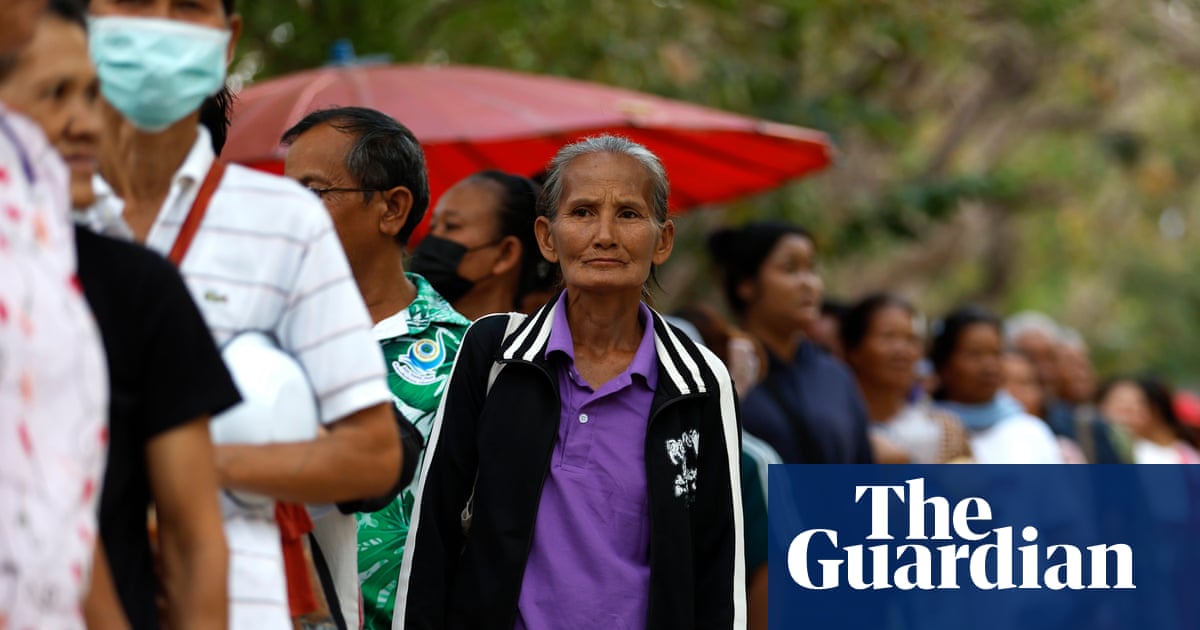
For residents in the border regions, the sounds of gunfire are tragically familiar. Patcharee kotmakti, 45, recently fled her home as fighting erupted, recalling how her house shook during intense clashes just four months prior. This isn’t a new struggle; it’s a continuation of a long-standing territorial dispute.
The current conflict is especially concerning for civilians like Kotmakti, who rely on daily wages and face economic ruin if the fighting persists. “I won’t be able to make ends meet,” she explained, echoing the fears of many in her community who are forced to borrow money at high interest rates simply to survive. The immediate need is for the violence to end – “The sooner the better.”
Trump’s Previous Success & Current challenges
Former President Trump previously leveraged the threat of tariffs to pressure both Thailand and Cambodia into de-escalation. Dr. Napon Jatusripitak, a visiting fellow at the ISEAS – Yusof Ishak Institute, describes this intervention as “absolutely pivotal” in achieving a previous ceasefire. Thailand had previously resisted all third-party mediation efforts.
However, replicating that success now is far from guaranteed.With a Thai election scheduled for 2026, Prime Minister Anutin Charnvirakul faces political pressures.Appealing to nationalist sentiment by portraying Thailand as defending its sovereignty could be a strategic move.
* This means appearing strong and resolute, possibly rejecting external mediation.
* It also risks framing the United States as exerting “unwarranted pressure” on Bangkok.
Essentially, the political climate has shifted, making a quick resolution more tough.
Public opinion: Skepticism & National Sentiment
recent polling data underscores the challenges. An August poll revealed that over half of Thais beleive their country should distance itself from Cambodia. Crucially,a notable majority - almost two-thirds of respondents – suspect that superpower interference is driven by self-interest,not a genuine desire for peace. Less than 10% believe US involvement is altruistic.
This skepticism extends to the US President’s claims of being able to swiftly resolve the conflict. As one evacuee diplomatically put it, “It is his outlook.” You can understand why many feel this way, given the history and the current political dynamics.
Diverging Views on the Path Forward
While a desire for peace is worldwide among those affected, opinions diverge on how to achieve it.
* Some, like Gen Chaiyapruek Duangprapat, the Royal Thai army’s chief of staff, advocate for a military solution, aiming to “crush Cambodia’s military capability.”
* Others, like Rinda Metmat, 44, express empathy for soldiers on both sides and lament the human cost of the conflict. “I feel sorry for the soldiers, for their families and their children. Cambodian soldiers also have families.”
* Still others, like Rangsan, are deeply pessimistic about the prospects for negotiation, believing that “Talking never seems to lead to anywhere.”
This lack of consensus highlights the complexity of the situation.
What Does this Mean For You?
If you’re following this conflict, it’s vital to understand that a swift resolution is unlikely. The interplay of political considerations, national sentiment, and economic hardship creates a volatile environment.
* Expect continued instability: The conflict could drag on for months, impacting regional stability and humanitarian efforts.
* Be wary of simplistic solutions: The situation is far more nuanced than a single intervention can address.
* Focus on the human cost: Remember the civilians caught in the crossfire, like Patcharee Kotmakti, whose lives are disrupted and livelihoods threatened.
The path to peace requires a multifaceted approach that addresses the underlying causes of the conflict,respects national
Related reading